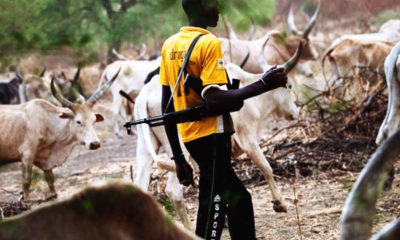
Features
When Will Nigeria Be Safe for Ordinary Nigerians?
No one leaves home unless home is the mouth of a shark. – Warsan Shire.

No one leaves home unless home is the mouth of a shark. – Warsan Shire.
I was on a bus when I overheard a woman speaking to another person on the phone, her older daughter, presumably. On the call, she was instructing the person to “go to school and pick up her younger brother. They said they are nearby o.” A short while earlier, I had been at the Osun State Government Secretariat in Osogbo, where the Nigeria Union of Teachers (NUT), Osun Wing, marched through the city to protest the abduction and kidnapping of schoolchildren across the country, with the recent being “on May 15, 2026 [when] armed men attacked three schools-Community Grammar School, Baptist Nursery and Primary School, and L.A. Primary School in the Esiele and Yawota communities of Oriire LGA, taking pupils and teachers captive,” as reported by the Punch Newspaper.
As the protest went on, unconfirmed reports began circulating that bandits had been sighted in neighbouring towns. In fear, while classes were still on, parents went to schools to pick up their children. Throughout the bus journey, pictures of helplessness were drawn on every passenger’s face as they expressed themselves.
“It is only God that can help us in this country,” one person said.
Immediately, another passenger responded, “This is not a matter of God. It is our government that should help us and not let these people kill all our children finish.”
A third passenger asked the question many Nigerians have been asking for years: “What exactly is this country’s government doing for us?”
For a long time, despite Nigeria practising a three-tier form of democracy, many Nigerians have felt neglected by the institutions meant to serve them. As an adult, I have had to provide my own electricity through solar power, contribute to community security, pay levies for local development, and navigate endless frustrations when trying to access basic government services. In many ways, Nigeria has conditioned its citizens to expect little from the state and to fend for themselves.
A few weeks ago, that reality became personal once again.
My mother-in-law called from Ikerin-Opin in Kwara State to tell me that some members of the family had been attacked while attending a vigil ahead of an event. Three people were killed, while 18 other people were kidnapped.
Ikerin-Opin is a relatively small town. For years, residents never expected much development, but they were content with farming and peaceful living. Then, over the last few years, insecurity crept in. One kidnapping led to another. People began disappearing. Schools started closing. Families relocated to safer areas. Surrounded by vast stretches of bush and far from national attention, the town became increasingly vulnerable to insecurity, and hidden from the media.
And Ikerin-Opin is not alone.
Across Nigeria, there are countless communities experiencing similar tragedies that never make national headlines. Their stories are absent from television screens and newspaper front pages. The president only releases statements on popular towns whose residents do not keep quiet. Yet the fear is just as real, and the consequences are just as devastating.
Ordinary Nigerians are paying the price. This is why the recurring attacks on schools are particularly painful. These criminal groups understand the attention such incidents attract. As these criminal groups have realised, from the momentum gained during the kidnapping of the Chibok girls, that raiding schools and kidnapping school children and teachers will always get the government’s attention.
But when will Nigeria be safe for ordinary Nigerians who are not sheltered enough to be protected by security guards? How did electricity, security, and quality education become privileges tied to wealth rather than rights guaranteed by citizenship? When did safety become something reserved for those who can afford private guards, gated estates and expensive alternatives to public services? When will Nigerians recognise that the government of their country is working to make the country more livable and better?
Millions of Nigerians live with a constant fear because parents worry when their children leave for school, travellers fear dangerous and unsafe roads and entire communities go to bed unsure of what the horror the night may bring. Every citizen should be able to trust that their government is working to make the country more secure, more livable and more hopeful.
Until then, when will Nigeria be safe for ordinary Nigerians?
***
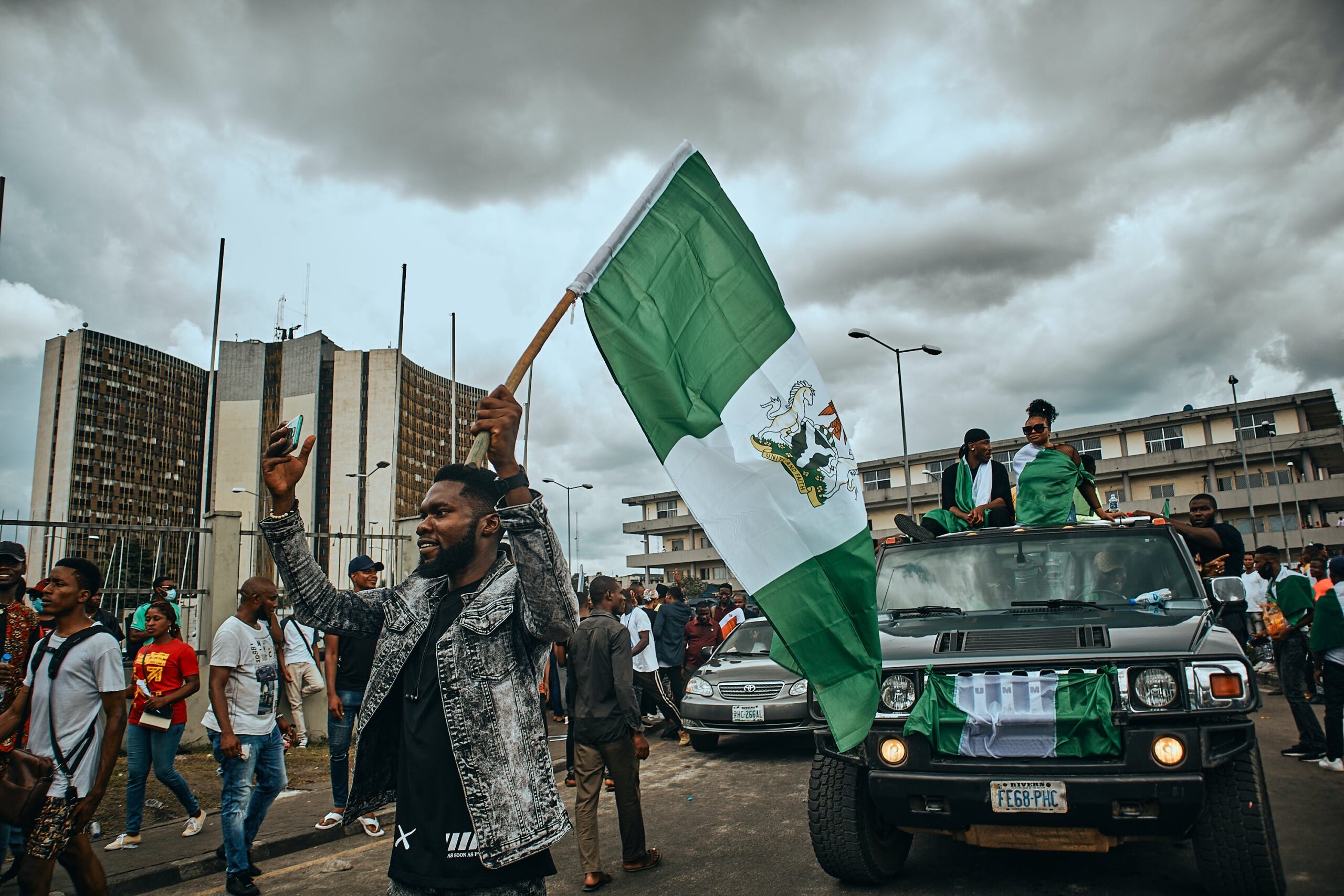
Featured Image by Emmanuel Ikwuegbu for Pexels.