
Events
To Claim Tomorrow, We Must Dare to Dream Again – The Next Gen Collective
Written By Perky Noah-Effik


Last week, we hosted an event Claiming Tomorrow – The Next Gen Collective, where we dared to dream again. The backdrop was Lagos, Nigeria, a place that has become the ‘City of Dreams,’ far beyond its reality. From the back-to-back traffic jams, to the recent record-breaking rainfall, the constant hum of the city, and the unshakeable drive for a better tomorrow that Lagosians carry, set to a soundtrack of Fela, Wizkid, Burna, and so many others, the city had a distinct buzz with the dreams of millions.
The Reality Check: Solution-Driven Spaces
The conversations at the event really brought us face-to-face with a massive reality check: the city has too much wasted potential, particularly the potential of children. When we look at how we educate our children today, it can be incredibly frustrating. On one hand, you look at the news and see this explosive, undeniable force of African talent: tech founders, designers, writers, and artists succeeding on the global stage. But then you also see the heartbreaking stories of young, deeply determined Africans risking everything to cross the Sahara or the Mediterranean, because they feel like they have to leave home to become who they want to be. It drains the continent, and it feeds right into the immigrant backlash we are seeing everywhere globally.
The immediate challenge we are facing is staggering. According to UNESCO data, sub-Saharan Africa needs to add an additional 15 million teachers by 2030 just to hit basic education goals. That is only four years away, and we aren’t even talking about advanced tech yet—we are talking about the absolute basics: math, science, and English. When you see a gap that massive, you quickly realize the traditional way of doing things just isn’t going to catch up in time.

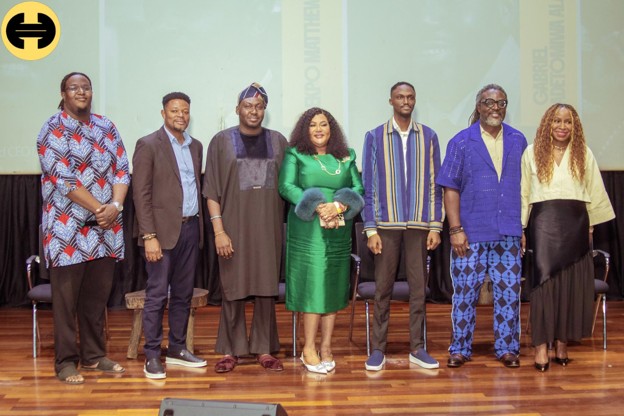
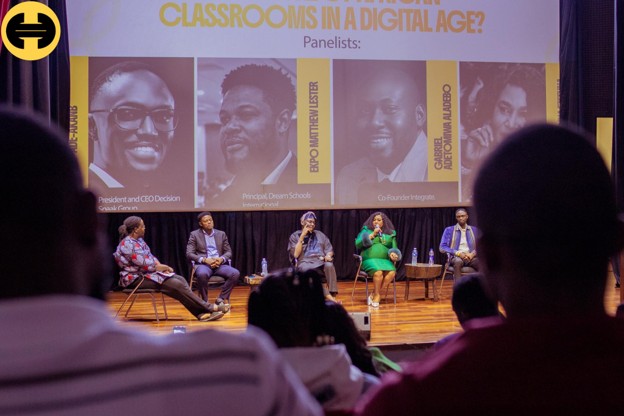
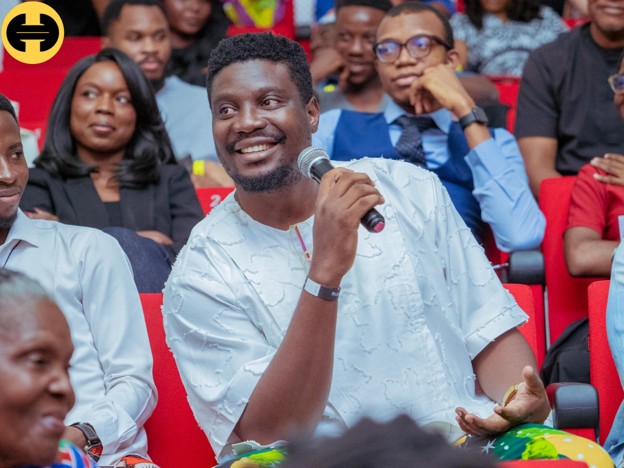
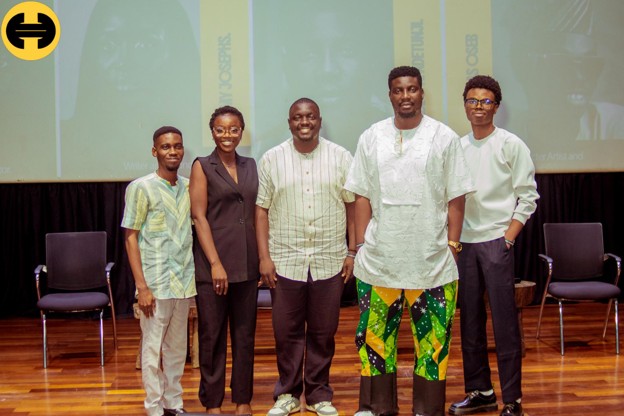
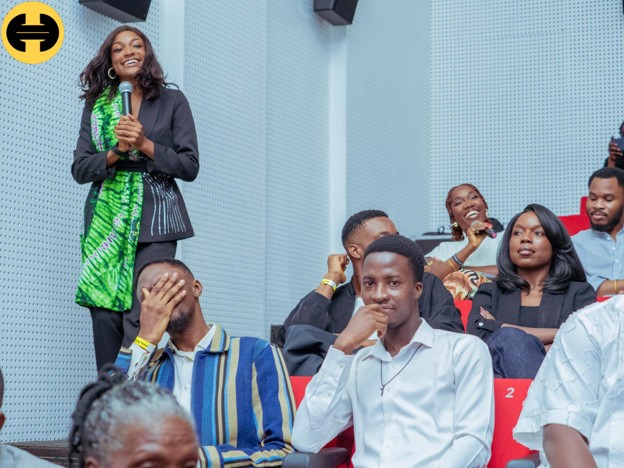
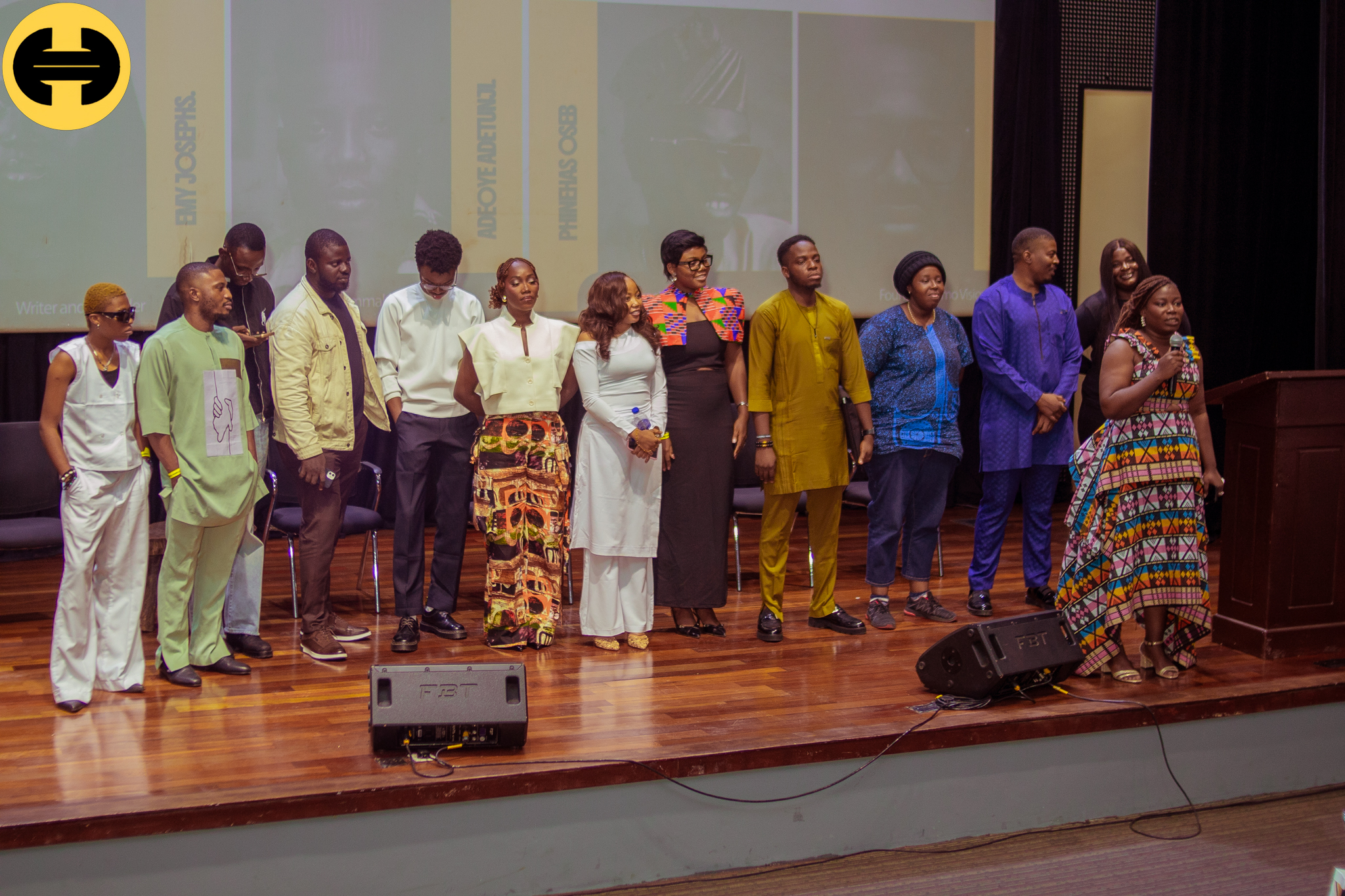
To dig into this, we brought together a phenomenal EdTech panel – hand selected for their unique perspectives. They were all seasoned educators with a long tenure across private schools, public schools, or a combination of both. Yes, the problems we face are massive, but what made that stage so electrifying was that these professionals weren’t just admiring the problem, they were actively looking for solutions. It is one thing to lament a broken system, but it is an entirely different thing to be in a room full of people who are actively doing the work to build a way out.
As a mother who has navigated schools across three continents—from Cameroon to the UK, and now raising my own three kids in the US, these dynamics hit me in a very personal way. In my household, my husband and I have a firm rule: we can talk about the problem all day, but we also have to talk about finding solutions. We have to be changemakers. Changemakers are dreamers who act on their dreams.
The Most Memorable Moments: The Creative Frontier – Human in the Loop
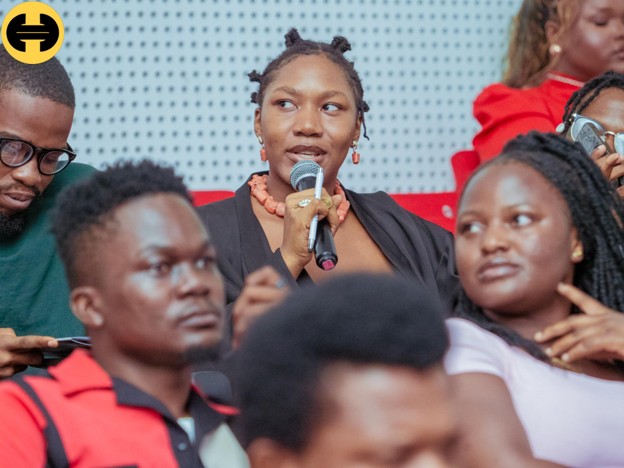
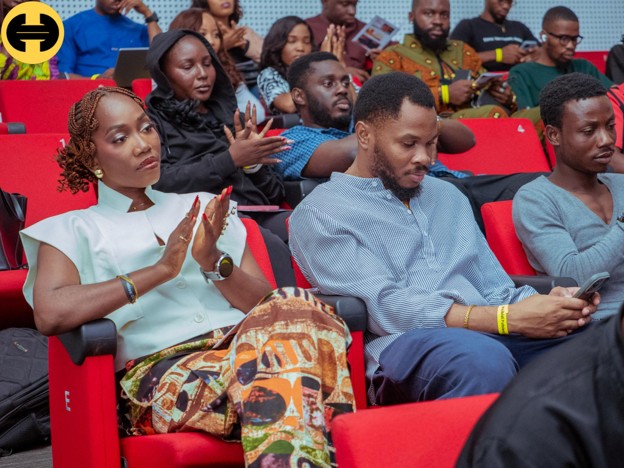
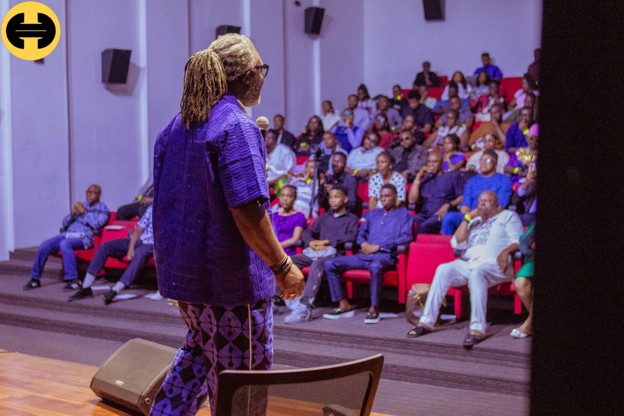
The EdTech segment anchored our mission, but it was our AI and Animation panel that truly set the room on fire. It became the most animated, high-octane conversation of the day, sparking intense engagement from an audience packed with local filmmakers, creatives, top-ranking agency heads, and studio executives.
The core debate revolved around how much or how little we should rely on AI in the creative process. There were real differences of opinion and practical examples of people who do not use AI through to people who integrate it into their daily work processes. The atmosphere in that room made one thing perfectly clear: Africa is not just a passive consumer of the future; we are actively designing it. The conversation about artificial intelligence will continue to change, shift, and evolve at a breakneck pace. But whether we are operating as a production studio or scaling an ed-tech platform, our core mission at Nsibidi Fables remains entirely unshakeable.
Technology is a powerful tool, but it is not the author. The human in the loop process will always be the right way forward and will continue to be Nsibidi’s ethos.

In Conclusion
But last Thursday was the culmination of many years of work, decisions, and foresight. I wanted a room full of people who were looking for answers because they weren’t sure where we are going as a society or as an industry, whether in EdTech or in animation or filmmaking or when thinking about AI. But more importantly, I wanted to gather people who believe in the power of dreaming out aloud and are willing to learn and then act on those dreams.
We are proud that we brought together professionals who have spent their careers in these exact spaces. They all wanted to share real knowledge, predictions, and insights from their current work streams to show how people can better prepare themselves for what is to come. It was intentionally designed, engineered, and made right here in Lagos, not California.
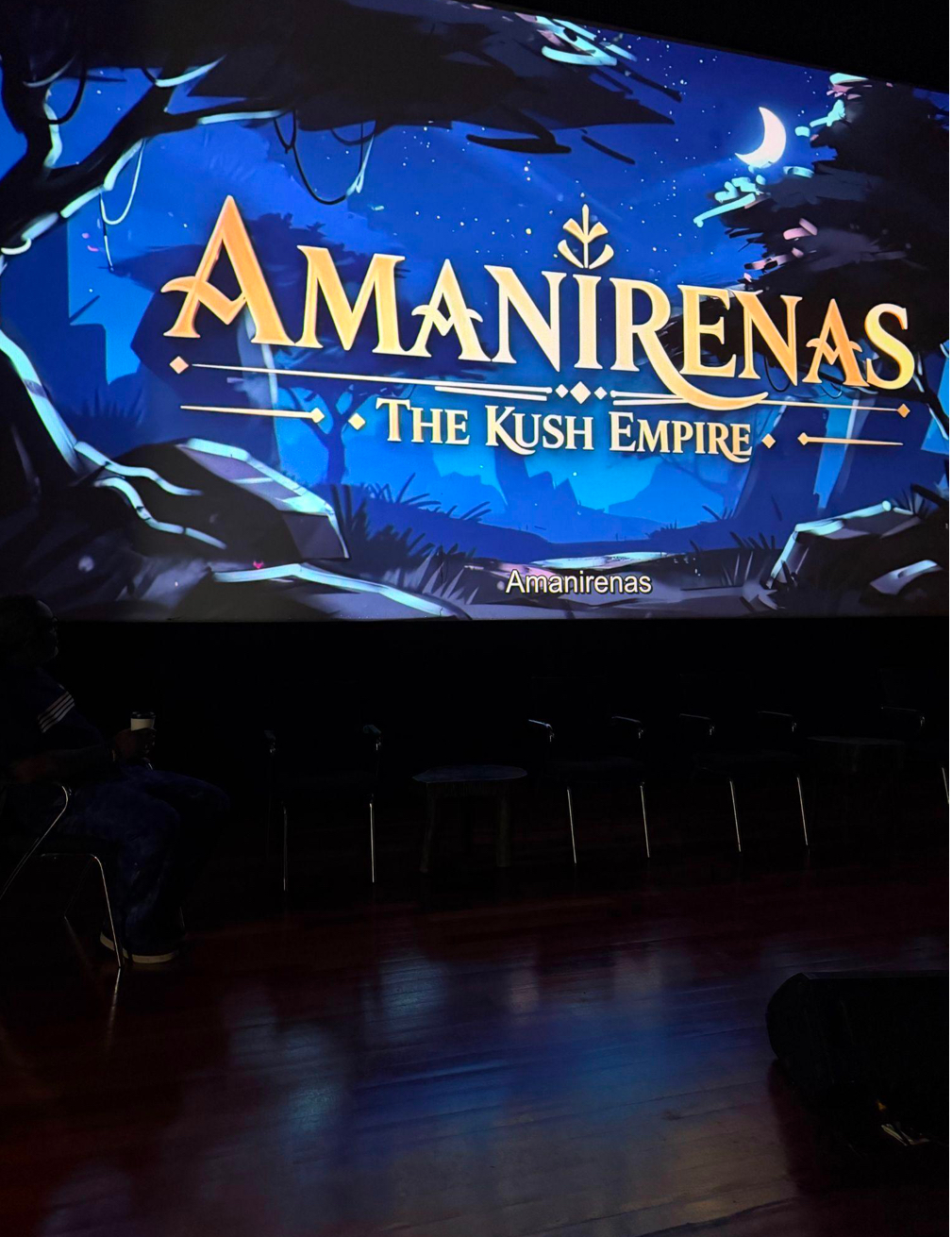
We named the event Claiming Tomorrow because I firmly believe that in order for you to claim tomorrow, you have to know exactly what yesterday looked like. That idea was reflected in the film we showed: Amanirenas. We pulled back the curtain on the real-life story of Queen Amanirenas of Kush—a narrative we believe is incredibly powerful, and one that every woman, particularly African women and every little girl across the continent, deeply needs to know.
Amanirenas ruled at the exact same time as Cleopatra, a far better-known African queen. Yet, Amanirenas made entirely different decisions about how she wanted to live her life and what she wanted her legacy to be about. Pop culture has obsessed over Cleopatra for centuries, but her strength was ultimately framed as superficial, putting the bets entirely on her looks and seductive allure.
Amanirenas, on the other hand, was a queen who refused to sit decoratively behind a king. When her husband, the king, died in battle, and her son lost his life fighting the Roman Empire, she was left with an impossible dilemma: do I retreat, stay quiet, and protect whatever borders are left, or do I put on my armor?
She chose to stand eye-to-eye with the greatest empire of her time. She fought the Romans with the forces she had, but more importantly, she fought them with absolute heart, boldness, and a brilliant strategic mind. She wasn’t a stranger to the mechanics of power; she had spent years in and around the courts while her husband was alive, gathering deep information about how her kingdom functioned and exactly how her opponents, the Romans, fought. She knew her strengths, and she knew her terrain.
She literally lost an eye in the trenches of that war. She certainly wasn’t putting her bets on her physical appearance—she was betting on her strength of character, her sharp strategic mind, and her unshakeable love for her family and her country. And she beat the Roman Empire fair and square.
We felt this was a blueprint that has been kept blank for too long. If we want to preserve and protect our own culture, there is no better way to do that than to actually be the ones telling our stories. We cannot afford to let others hold the pen, because when we don’t tell our own history, someone else steps in, misinterprets our narrative, and exports it back to us. Amanirenas proves that true beauty and power come from character. It is heart. It is strategy. And it is legacy.
We felt this was a blueprint that has been kept blank for too long. If we want to preserve and protect our own culture, there is no better way to do that than to actually be the ones telling our stories. We cannot afford to let others hold the pen, because when we don’t tell our own history, someone else steps in, misinterprets our narrative, and exports it back to us. Amanirenas proves that true beauty and power come from character. It is heart. It is strategy. And it is legacy.
A big thank you to those who came to support us. Follow us on instagram to keep up to date with Nsibidi. You want to upskill? Then try our free session at Nsibidi Education. Or if you are a creator or agency that needs help with your next project collaborate with us.





Sponsored Content