Features
Adebimpe Alafe: Why My Period Left Me Exhausted Every Month

There is a specific kind of tired that no amount of sleep fixes. It is not the tired you feel after a long day of work, or the tired that comes from staying up too late scrolling through your phone. It is a trait that lives in your bones. A tiredness that makes you feel like your body is running on 3% battery and someone has hidden the charger.
For years, I thought this was just what periods felt like. I thought every woman spent the first three days of her cycle lying flat, bargaining with God, convinced she was dying. I thought the dizziness was normal. The brain fog that made me forget words mid-sentence is normal. The exhaustion was so profound that getting off the couch felt like a physical challenge. I thought it was completely, totally normal.
It was not normal. I was iron-deficient. And my period was draining me in ways I had no language for.
Let me paint you a picture.
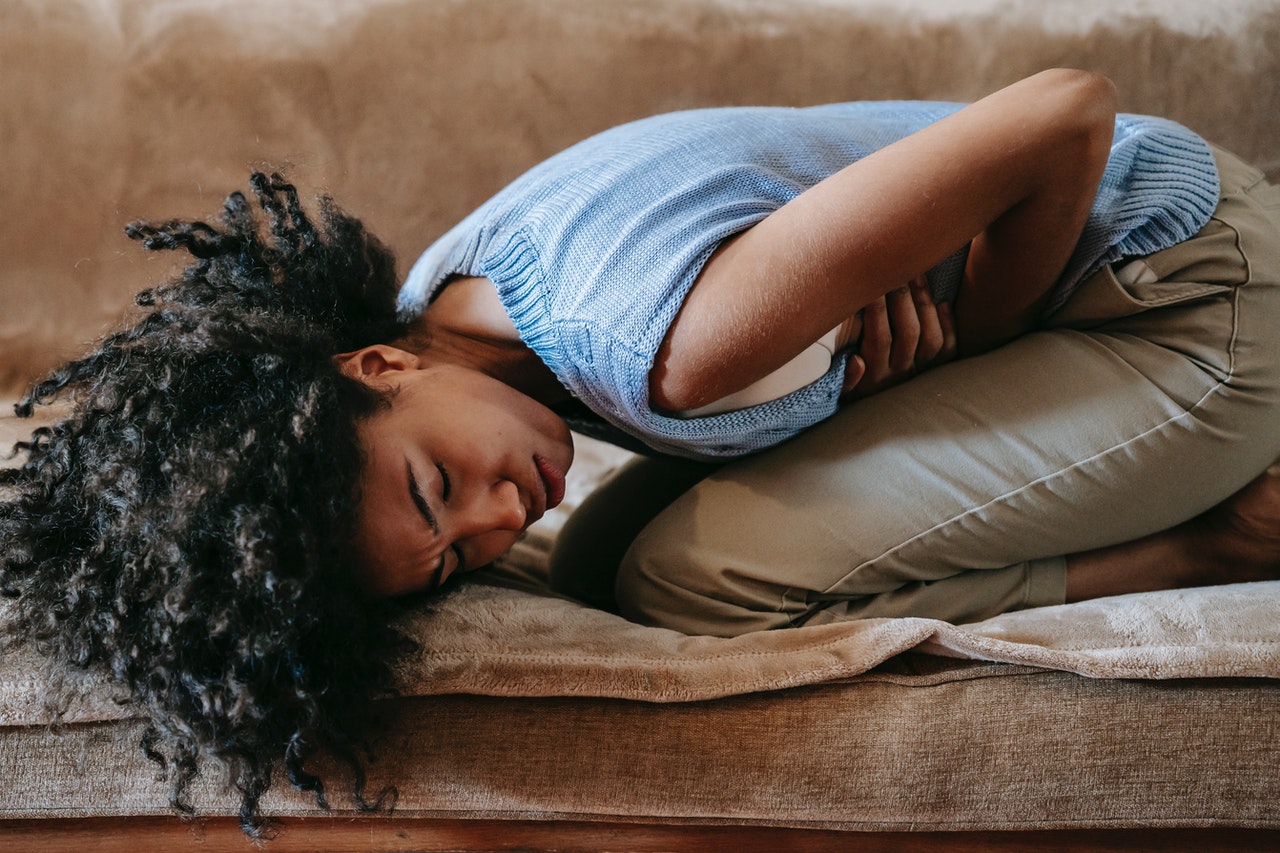
It is day two of your cycle. You have already been through the cramps, the kind that radiate into your lower back and down your thighs, the kind that make you curl into yourself like a comma. You have taken all the strongest painkillers. You have used the hot water bottle until it went cold. You have eaten dark chocolate because someone on the internet said it helps, and it did not help, but you ate it anyway.
Now you are tired. You are sitting-in-the-shower-because-standing-is-too-much tired. You are staring-at-your-phone-for-twenty-minutes-without-reading-anything tired. Someone asks you a simple question, and you open your mouth, and the answer is just… not there. You feel like you are thinking through cotton wool.
This is what low iron feels like during your period. And the cruel irony is that the period itself is making the iron problem worse. Every cycle, you lose blood. Blood contains iron. If your stores are already low, you are essentially starting from a deficit every single month, and your body is trying to function on reserves it does not have.
I did not find out I had low iron from a doctor. I found out the way many Nigerian women find out things about their own bodies, by accident, and by demanding answers after being dismissed one too many times.
For a long time, the symptoms I described were met with a variation of the same response: it is just stress. And maybe it was, partly. But stress does not explain why I could sleep eight hours and wake up more exhausted than when I went to bed. Stress does not explain the heart palpitations that happened every time I climbed a flight of stairs. Stress does not explain the headaches that arrived like clockwork around my cycle and refused to leave.
When I finally got a full blood count done, the results were not shocking to me. They were validating. There was a number on a page that explained years of feeling like something was wrong, years of being told nothing was wrong, years of quietly wondering if I was being dramatic.
I was not being dramatic. My iron was low. My body had been telling me for years, but I had been taught not to listen to it.
Here is what I want you to know, especially if you are reading this and nodding along because this is your life, too.
Your body is doing something enormous every single month, and if it is doing that without adequate iron, it is doing it on empty. Low iron during periods is incredibly common, and it is incredibly under-discussed. We talk about cramps. We talk about bloating. We have a whole cultural vocabulary for period pain. But we rarely talk about the invisible symptoms, the ones that do not bend you double but quietly hollow you out over time.
The dizziness when you stand up too fast. The coldness in your hands and feet, even when it is not cold. The way your heart races for no reason. The skin that looks a little grey, a little dull, no matter how much water you drink or how early you sleep. The nails that break. The hair that sheds more than usual around that time of the month.
And then there are the conditions that make all of this significantly worse. Fibroids. The benign tumours that grow in or around the uterus are one of the most common and least talked-about reasons periods become unbearable. They cause heavier bleeding, longer cycles and severe pelvic pain, all of which accelerate iron loss and deepen the exhaustion. What makes this especially important for us as Black women is the data: Research consistently shows that black women are two to three times more likely to develop fibroids than white women, tend to get them earlier, and experience more severe symptoms. Some studies estimate that up to 80% of Black women will have fibroids by age 50. If your periods have been getting progressively heavier or more painful over time, please do not normalise it. It may not just be a bad cycle, and you deserve answers.
I am not going to stand here and tell you that iron supplements fixed everything, because the truth is more complicated than that. Supplements help, but they also cause their own complications, like constipation. Eating iron-rich foods helps. Managing stress helps. But more than anything, what helped me was paying attention.
Paying attention to my cycle. Paying attention to the days when I need to slow down. Paying attention to what my body is asking for instead of overriding it with willpower and the relentless pressure to keep going, keep producing, keep showing up as if everything is fine.
Everything is not always fine. Sometimes your iron is low and your period is heavy, and your body needs you to stop, rest, eat something warm, and give yourself the grace you would give anyone else going through something hard. Your period is not a productivity problem to be optimised. It is a biological process that deserves to be taken seriously by your doctor, by the people around you, and most importantly, by you.
Please get your iron levels checked and see your gynaecologist. A full blood count is simple, affordable, and could give you answers that years of pushing through never will. You deserve to know what is happening in your own body. And you deserve to stop calling it nothing.
***
Featured Image by Sora Shimazaki for Pexels