Features
How ASIRI Magazine Is Documenting Women’s Contributions to Nigeria Between 1910 and 1950
When we fail to document women, we distort national memory.

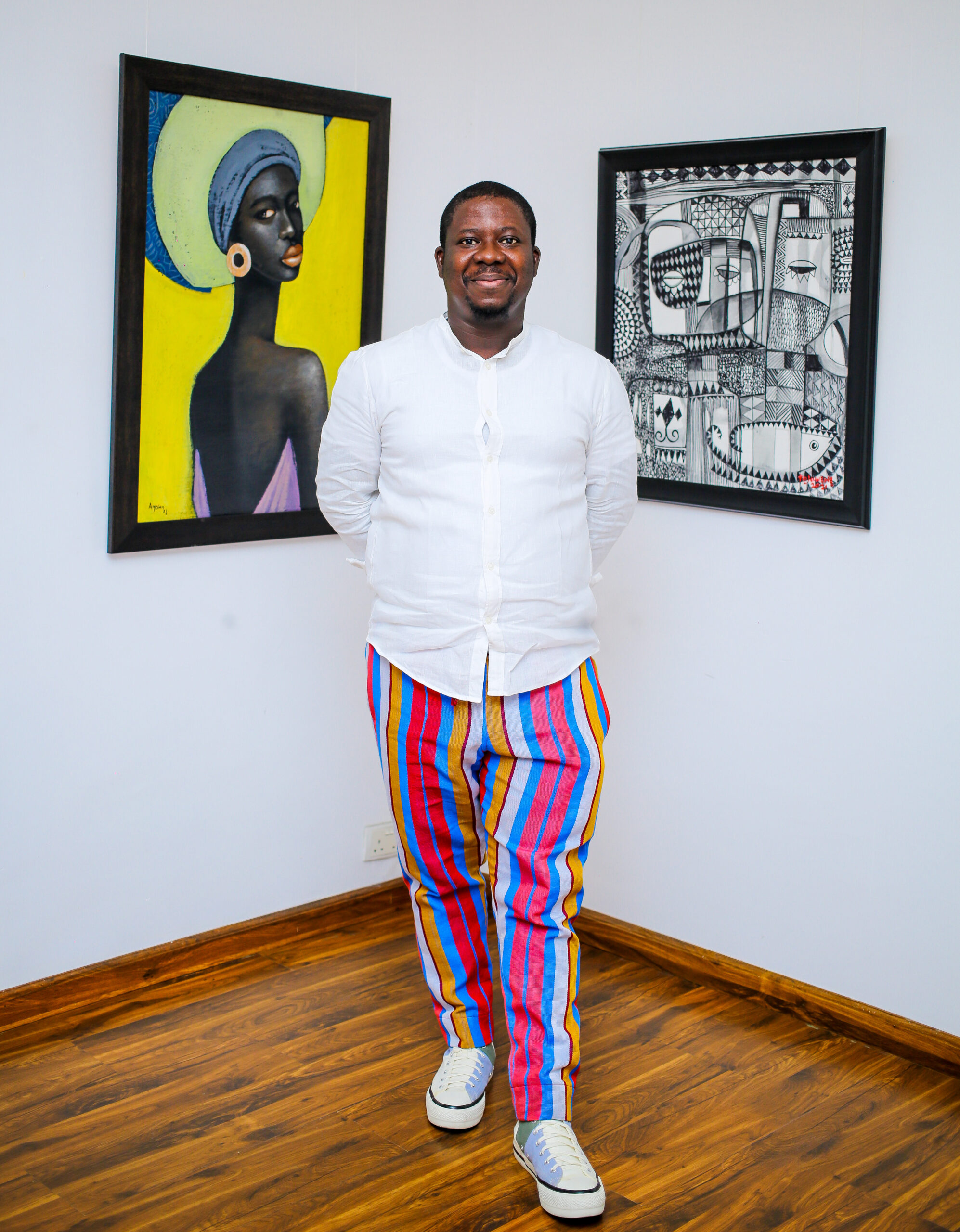
Dr Oludamola Adebowale, project lead, HerStory of Nigeria
Women’s contributions to Nigerian history are largely undocumented. This is in part due to the structure of the Nigerian society, where women’s place in society is often viewed as second to the first. In many cases, this underdocumentation reflects how women’s labour and leadership were treated as secondary to dominant narratives. Yet history, when incomplete, distorts not only the past but also the present.
This March, as global conversations around equality intensify, ASIRI Magazine, through its initiative, HerStory of Nigeria, seeks to document and amplify the stories of some women who contributed to Nigeria’s political, economic and social foundations, particularly during the transformative years between 1910 and 1950.
Launched in alignment with International Women’s Month, 2026, the project combines historical research with public engagement — bringing these narratives into schools and digital spaces. From market leaders and organisers to educators and institution builders, HerStory of Nigeria insists that national memory must be inclusive to be accurate.
In this conversation, we speak with Dr Oludamola Adebowale, the project lead, about the urgency of documentation, the politics of historical silence and why restoring women to the centre of Nigeria’s story is both a corrective act and a generational investment.
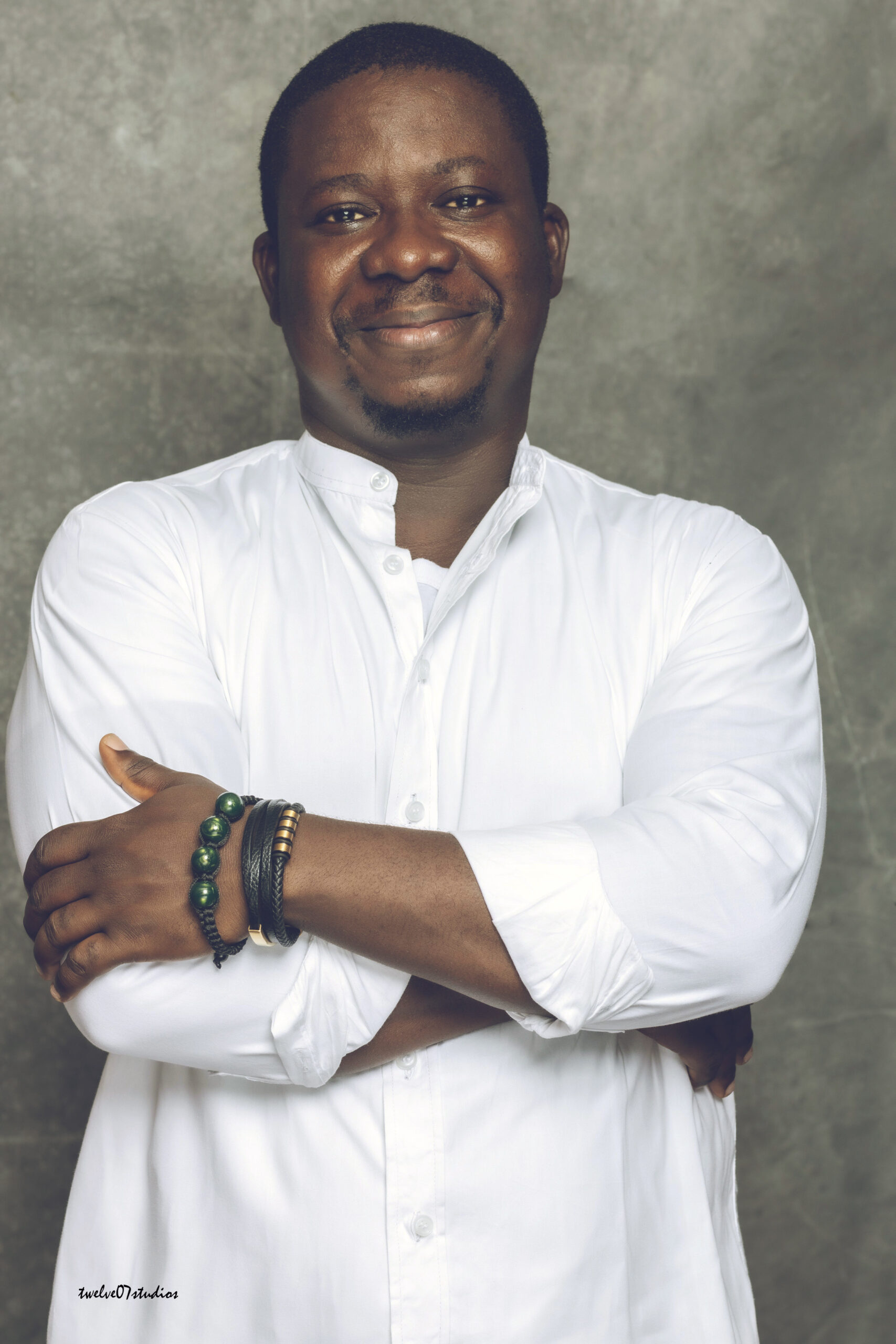
Dr Oludamola Adebowale is an archivist, historian, curator and writer known for his work in documenting and promoting Nigerian history. He is the founder of ASIRI Magazine, a leading platform for historical storytelling and research in Nigeria. An Associate Fellow of the Royal Historical Society (UK) and a member of the International Council on Archives (ICA), his work spans archival research, public history, and cultural exhibitions.
He has curated major historical exhibitions and developed 1851 Agidingbi Chess, Nigeria’s first historical chess game. Dr Adébọ̀wálé was featured on CNN African Voices Changemakers in 2025. He is the author of The Fabric of a Nation: Essays on Nigeria’s History, Arts and Culture, a compendium of his published research essays and articles.
He speaks to us about the importance of documenting women’s contributions to history and sharing them with the younger generation.
Enjoy the conversation!
Hello Dr Oludamola. How are you today?
I am very well, thank you.
HerStory of Nigeria is a project that aims to spotlight the incredible contributions of women to Nigerian history. What made you feel this project was necessary?
For over a decade, my archival research has consistently revealed a troubling imbalance: women were present in decisive historical moments, yet their contributions were marginalised or undocumented. The project became necessary the moment I recognised that this absence was not accidental; it was structural.
A nation cannot fully understand itself if it tells only half of its story. Nigerian women shaped political resistance, economic systems, education, and community organisation, yet many of their names remain absent from mainstream narratives. This project is needed because documentation is power. When we fail to document women, we distort national memory. HerStory of Nigeria is therefore not just celebratory; it is corrective and restorative. It is a project that helps preserve the very core of our history; it is a protection of public history and collective memory.
That is aptly put. What do you believe influences why the stories of women, especially from the colonial era, have remained unheard for so long, and what does that silence represent?
The silence largely stems from who controlled documentation during the colonial period. Official records prioritised formal political structures dominated by men and colonial administrators. Women often operated within economic networks, market associations, informal political systems, and communal structures that were not considered “official” spaces of power.
That silence represents more than oversight; it represents historical bias. It reveals how definitions of leadership and influence were narrowly constructed. Women were organising, resisting taxation, shaping trade networks, and influencing public discourse, yet these actions were not always recorded in ways that granted them historical visibility. Recovering their stories is therefore an act of redefining what counts as power.
How did you decide which women to spotlight? Why did you choose the specific years (1910 to 1950)?
The selection was research-driven, and largely based on what archival material or document avaliable when we kicked off the research for this project last year. I focused on women whose actions had measurable social, economic, political or cultural impact. They were organisers, educators, resistors, professionals, traditional authorities, and institution builders. There are still a whole lot of women that we have discovered, and we plan to do that as we move on with the project, hence why it is not a one-time project; it is a legacy project.
The years 1910 to 1950 represent a transformative period in Lagos and Nigerian history. It captures the consolidation of colonial authority, the intensification of taxation and economic control, the rise of organised resistance, and the growth of nationalist consciousness. Women were central actors during this era. Examining this fifty-year window allows us to understand resistance across generations of women. Also, this being the pilot of this project, it’s an interesting historical window for me, hence why I picked it.
Beyond recognition, what other purpose does documenting women’s contributions serve in shaping how we understand the identity of Nigeria?
When we document women’s contributions, we expand the definition of who built Nigeria. We demonstrate that the nation’s foundations were not laid by a single demographic, but by collective effort that included women’s leadership and intellectual labour.
For young girls, historical representation is transformative and important, especially at that curious and crucial age they are in. When they learn that women in early twentieth-century Lagos organised economic resistance, negotiated authority, and led communities, leadership becomes lineage rather than anomaly. It shifts perception from “women can lead” to “women have always led.” That awareness cultivates confidence grounded in precedent. More than just the women’s story we are telling here, documentation helps to show records of progress, lessons, and it’s the only way we learn and build a better nation if we can learn from our past. To be able to learn from our past [and project the future], we need documentation.
Why is it especially meaningful that this project is being launched in March, during International Women’s Day, rather than at another time of the year?
March carries global significance due to International Women’s Day. It is a period when conversations about equity, visibility and justice are amplified worldwide. Launching during this time situates Nigerian women’s historical contributions within a global discourse while maintaining local specificity.
It is both symbolic and strategic. Symbolic because it honours the global movement for women’s recognition; strategic because it ensures heightened visibility and engagement. It allows the project to resonate beyond national borders. It is also important to state here that this project, HerStory of Nigeria, is listed as one of the many global programmes on the International Women’s Organisation website, and it has been approved and endorsed. More than just having this in March, this is a legacy project; the plan is to create a platform where we can successfully archive and document everything on the history of women in Nigeria. The legacy of women such as Oyinkansola Morenike Ajasa (Lady Oyinkan Abayomi), Charlotte Olajumoke Obasa, Madam Alimotu Pelewura, Madame Rabiatu Iyalode (Alaso), Modinatu Alaga, Barikisu Iyalode, Bintu Balogun, Mrs Juliana Oladunni Kale, Mrs Tinuola Dedeke, Ayo Oluwole (Mrs Ayo Manuwa), Lady Kofoworola Ademola (née Moore), Mrs Folayegbe Akintunde-Ighodalo, and many more should not be forgotten just like that.
Also, the formation of Queen’s College Lagos, an institution that would be 100 years old next year, and the formation of other girls’ schools around the nation are narratives worth showcasing, preserving and telling.
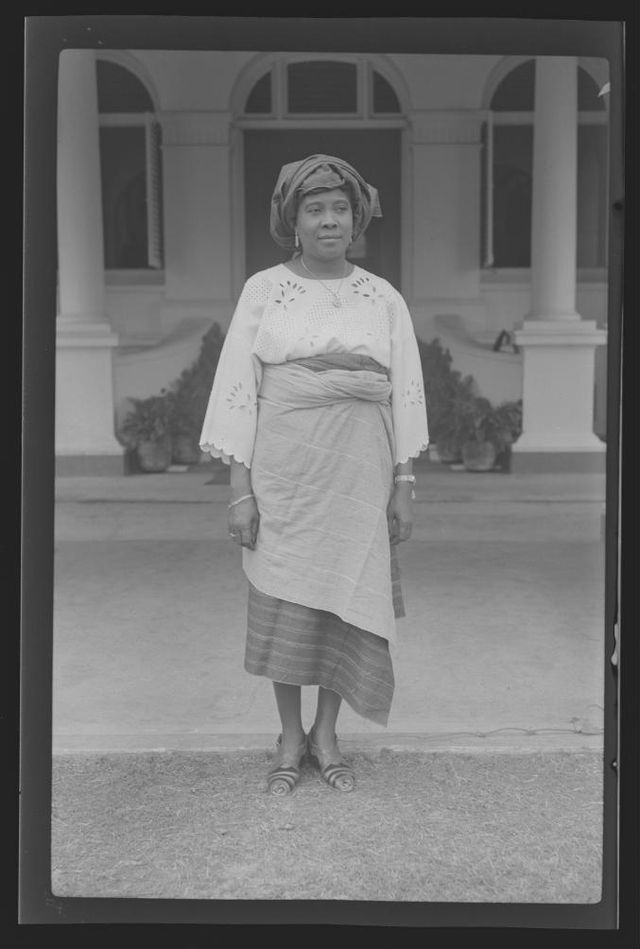
Lady Oyinka Abayomi. Courtesy of ASIRI Magazine
There will be a 10-day school engagement as part of this project; how does bringing these stories into schools help bridge the gap between history as something distant (as it is today) and history as something personal and instructional?
The HerStory of Nigeria project will embark on a 10-day tour across 10 public secondary schools in Lagos State, within the I.B.I.L.E Divisions (Ikeja, Badagry, Ikorodu, Lagos Island, and Epe). The tour will begin with a flagship launch at Queens College, Lagos, on March 11. Simultaneously with a 15-day history activism on the exploits of these women and more on the ASIRI Magazine’s social media platforms, expanding the conversation beyond the classroom.
By bringing these stories directly into schools, history becomes immediate and relatable. Students begin to see that their communities were shaped by real individuals, particularly women whose leadership and resistance influenced the present. The engagement transforms history from distant theory into lived experience, inspiring critical thinking and confidence in their own potential.
What impact do you hope this project will have on young students encountering it for the first time?
I hope it instils awareness, confidence and responsibility. Awareness that Nigerian history is richer and more inclusive than they may have been taught. Confidence that leadership and resilience are part of their heritage. And responsibility, an understanding that they, too, are contributors to the nation’s evolving archive.
Ultimately, I hope they recognise that history is not a closed book. It is an ongoing narrative, and they are active participants in writing its next chapter, and that is what the HerStory of Nigeria Project is all about at the end of the day.