
Events
Visa West Africa Hosts Yetty Williams of LagosMums to Share 7 Digital Parenting Rules That Actually Work
Written by Skot Comms


In many Nigerian homes today, bedtime is no longer just about brushing teeth and going to bed. It is about one more scroll. One more video. One more reply. Devices have quietly followed children into classrooms, dining tables and bedrooms.
Parenting has shifted. It is no longer only about guiding behaviour offline. It now includes helping children navigate AI, social media, online identity, cyber-bullying and digital influence.
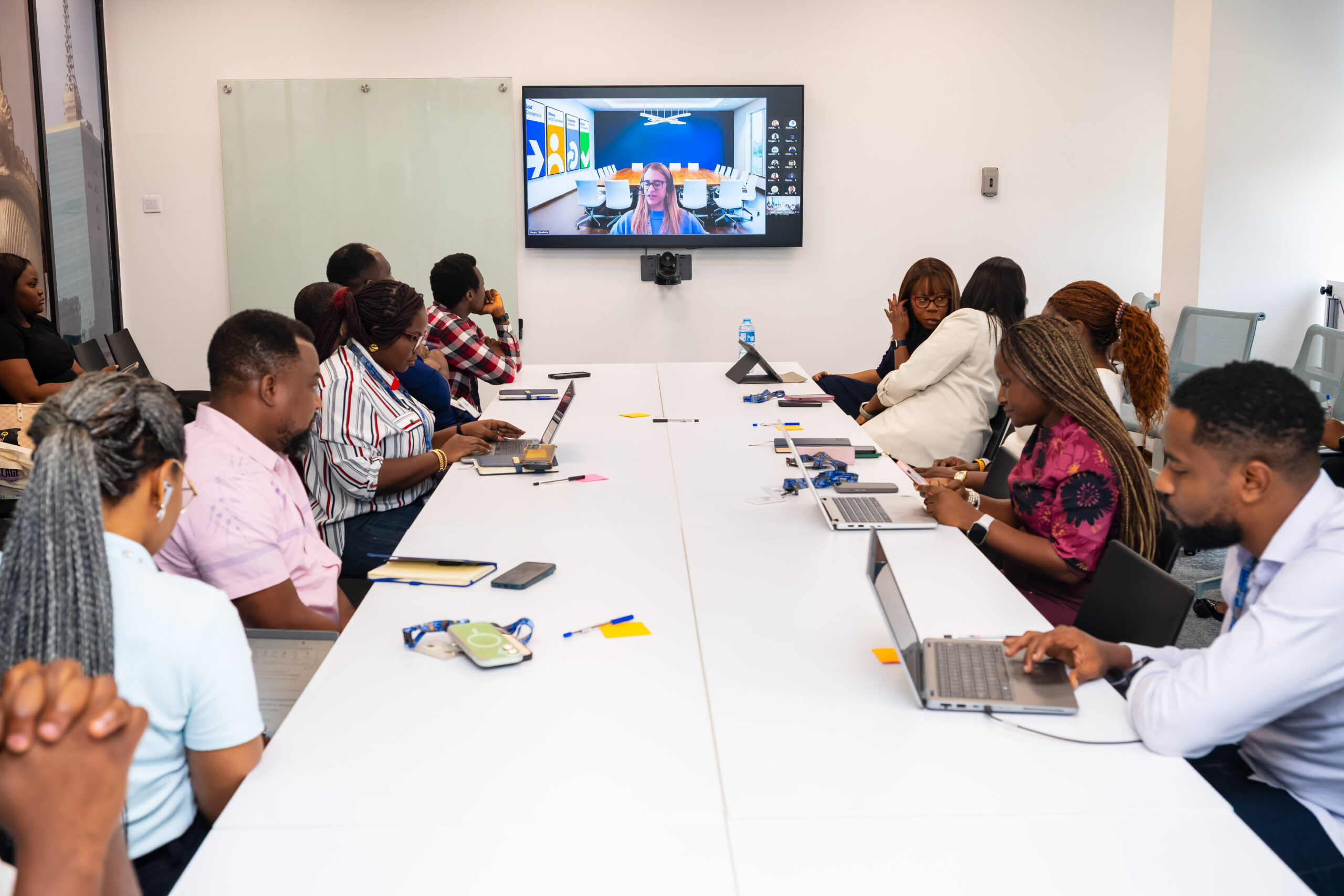
At a recent Parents & Carers Coffee Hour hosted by Visa West Africa, Forbes-recognised digital parenting expert Yetty Williams aka LagosMums, addressed these realities head-on.
“From the outside, it looked like a boardroom of executives discussing strategy,” she said. “On the inside, it was a room full of parents having honest conversations about digital wellbeing and what it truly means to raise children in an AI-powered world. The titles were left at the door, but the questions and emotions were very real.”
Her message was clear: hope is not a strategy.

Here are the key insights she shared.
1. Digital natives still need direction
Children today are growing up with technology as a given. They are comfortable with devices, quick to adapt to new platforms and often more technically confident than their parents. But familiarity is not the same as wisdom.
Williams stressed that assuming children will simply “figure it out” is risky. The digital world is complex. AI tools, online communities and algorithm-driven content require guidance. Intentional parenting, not passive hope, is what protects and prepares children.
2. Every home needs a digital well-being plan
Just as families are deliberate about education and values, digital life requires structure. A digital well-being plan clarifies expectations:
- When are devices used?
- Where are they used?
- What conversations are ongoing about online behaviour?
Without clear expectations, children are left to navigate boundaries alone. Structure creates stability.

3. Boundaries are foundational in early years
For younger children, limits are not punishment. They are protection. Williams highlighted the importance of routines, device-free moments and consistency. Early habits shape long-term behaviour. Clear structure builds discipline and self-regulation. The goal is not restriction for its own sake, but healthy development.
4. With older children, shift from control to collaboration
As children grow, the strategy must evolve. Teenagers require more dialogue than directives. Williams encouraged parents to move from policing to co-piloting.
That means engaging in conversations about:
- The platforms they use
- The role of AI in their schoolwork
- Their digital footprint and long-term impact
Avoidance does not protect. Engagement does.
5. Listening builds trust, and trust builds safety
In one practical exercise, parents were asked to “sit on their hands” while listening to their children.
The message was simple: resist the urge to interrupt, correct or react immediately. When children feel heard rather than judged, they are more likely to speak up about their online experiences. In a digital environment where risks can escalate quickly, open communication becomes a safeguard.
Trust is protection.
6. Digital well-being starts with adults
It is difficult to create digital boundaries for children if adults do not model them. Williams emphasised that parents must examine their own habits. Creating screen-free spaces, protecting rest time and being present in conversations demonstrate balance more effectively than rules alone.
Children observe before they obey.
7. The aim is preparation, not panic
Technology is part of the future children are being raised into. The goal is not to shield them from it entirely. It is to prepare them to use it responsibly, confidently and ethically.

Raising global digital citizens requires more than technical access. It requires character, discernment and intentional guidance.
As the Parents & Carers Coffee Hour demonstrated, conversations around digital well-being, AI, and responsible technology use are no longer peripheral they are central to how families prepare the next generation for the future. By creating a safe, thoughtful space for these discussions, Visa West Africa continues to show leadership beyond payment, reinforcing its role as a trusted partner within the communities it serves.
Through initiatives like this, Visa West Africa is not only enabling the digital economy, but also helping shape it responsibly supporting parents, carers, and young people with the insight, tools, and confidence needed to thrive in an increasingly digital world. It is a clear reflection of Visa’s commitment to inclusive growth, responsible innovation, and long-term societal impact across the region.
Sponsored Content