Features
After 13 Years of Professional Basketball, OD Anosike Reflects on His Life, Journey and Earning a PhD Degree

After 13 incredible years as a professional basketball player, OD Anosike has retired from the game that took him across the world. Throughout his career, Anosike competed professionally in Italy, France, Greece, Mexico, South Korea, Spain, Turkey, Libya, Iran, Canada and the Dominican Republic, earning three rebounding titles in Italy (2014, 2015 and 2017) and another in Turkey.
Towards the latter stages of his career, Anosike pursued and completed a PhD in Public Administration, adding another remarkable achievement to an already distinguished journey. Raised in Staten Island, New York, by Nigerian immigrant parents, he grew up surrounded by poverty, gangs and violence, but refused to let those circumstances define his future. Instead, he built a life shaped by discipline, faith and education. In this interview, he reflects on his upbringing, the lessons from a career that spanned four continents, the sacrifices behind earning a doctorate while playing professional basketball, and why he hopes his story inspires young Nigerians, African immigrants and Black boys to believe that their beginnings do not determine their destiny.
Enjoy the conversation!
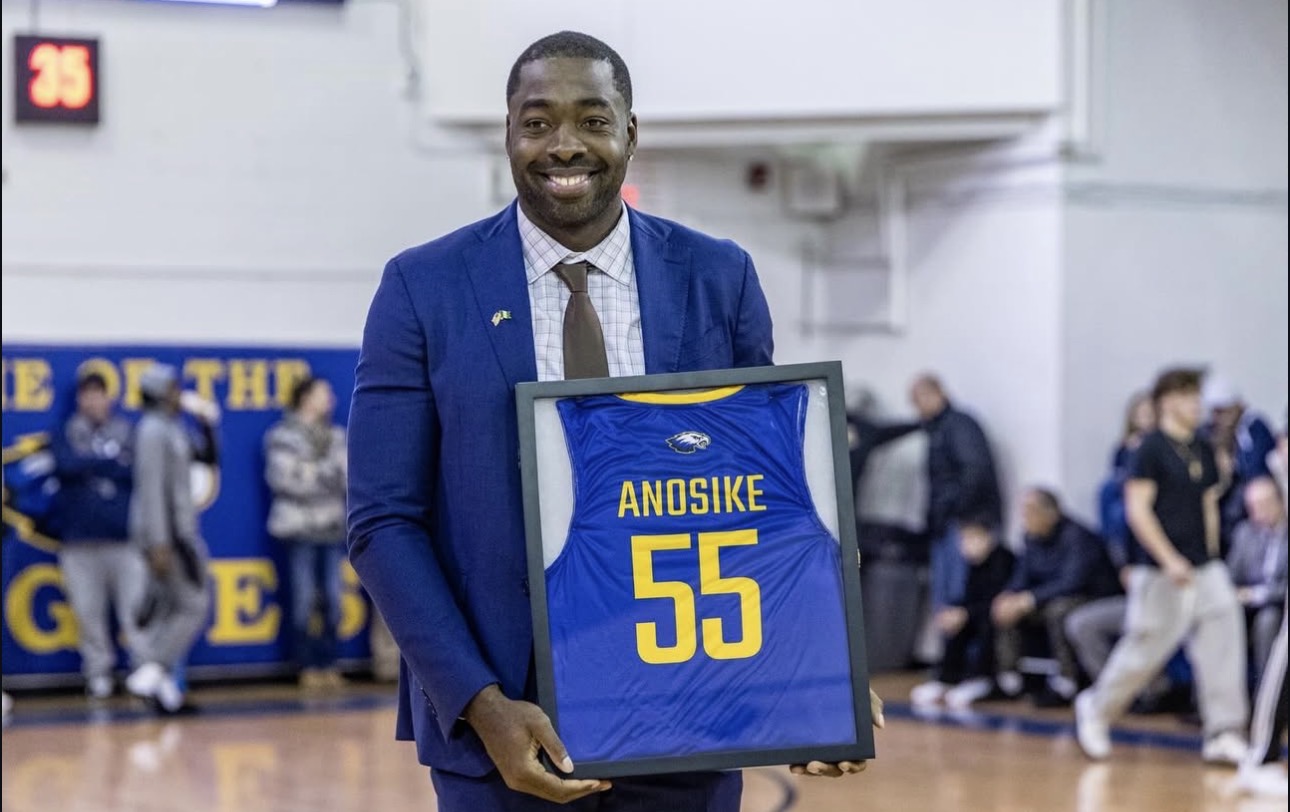
Hello, OD. Thank you for being here today. How are you today?
Hello Ahmad. I am well, thank you.
Great! Please tell us about your upbringing as a Nigerian-American raised in Staten Island by Nigerian parents. What was life like growing up in that environment, and how did your family shape your values early on?
I am a Nigerian American who has played professional basketball for the past 13 years while also completing my PhD in Public Administration. My parents met and married in Nigeria before immigrating to the United States in search of a better life. My siblings and I were all born and raised in America, primarily in Staten Island, New York. Life was not easy. We grew up in poverty, living in public housing, and my parents worked hard to provide for a large family. When my parents eventually separated, the challenges became even greater.
Despite those hardships, my parents never allowed our circumstances to define us. They instilled in us the values of hard work, discipline, faith, integrity and education. Those principles became the foundation of our lives and continue to guide me today. Looking back, I am grateful not only for what we endured but for the strength, resilience, and character that were developed through those experiences.
Growing up around poverty and gangs while still being raised in a home that prioritised discipline and education seems contradictory. How did you navigate those two very different realities as a young Black boy growing up in America?
It was definitely challenging. On one hand, we were surrounded by poverty, crime, drugs, and violence, and we witnessed firsthand how those influences affected people in our community. On the other hand, our home was built on structure, accountability, faith and education.
In many ways, seeing the consequences of poor decisions up close reinforced the lessons my parents were teaching us. We understood early on that education, sports and faith could provide opportunities that many people around us never had. Rather than allowing our environment to define us, my siblings and I used it as motivation. We learned to focus on our goals, stay disciplined, and work hard, even when our circumstances made that difficult.
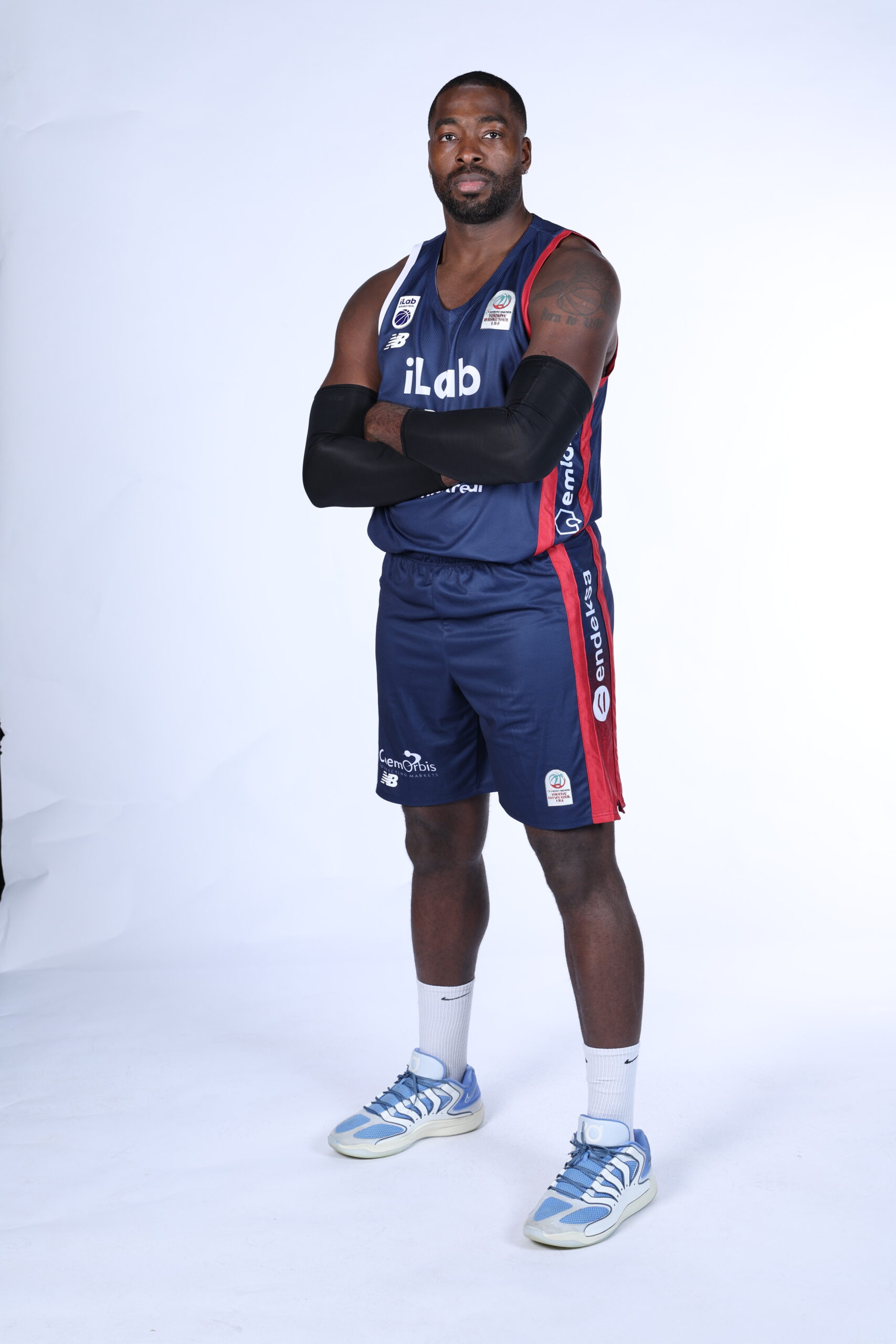
Basketball eventually became your pathway to opportunity. At what point did you realise the sport could change your life?
Basketball initially served as an escape from the realities around me. It allowed me to travel outside of my neighbourhood, meet new people and experience different environments. As I grew older, I began to realise I had both the physical tools and the ability to compete at a high level.
Watching my older sister earn recognition through basketball also opened my eyes to what was possible through hard work and dedication. By my junior year of high school, I began receiving scholarship offers from colleges around the country. Ultimately, I chose Siena University, which turned out to be one of the best decisions of my life.
Siena provided far more than a basketball opportunity. It gave me access to an education that my family otherwise could not have afforded, while placing me in an environment where I could grow academically, athletically, spiritually, and personally. It was there that I truly began the transition from a young boy with potential into a young man with purpose.
You went on to build a 13-year professional basketball career across countries. What were some of the biggest lessons, cultural experiences or defining moments from that journey around the world?
Playing professional basketball overseas was one of the most rewarding experiences of my life. Living and competing in 11 different countries exposed me to different cultures, languages, traditions, and perspectives. It taught me the importance of adaptability, humility, and open-mindedness.
One of the biggest lessons I learned was that there are many different ways to view the world. People from different cultures often approach life, family, work, and success differently, and learning to appreciate those differences helped me grow tremendously as a person. Professionally, it taught me resilience and the ability to thrive in unfamiliar environments. Personally, it broadened my perspective and deepened my appreciation for people from all walks of life.
I am incredibly grateful for the experiences, relationships, and lessons that came from those 13 years. They shaped me in ways I never could have imagined.
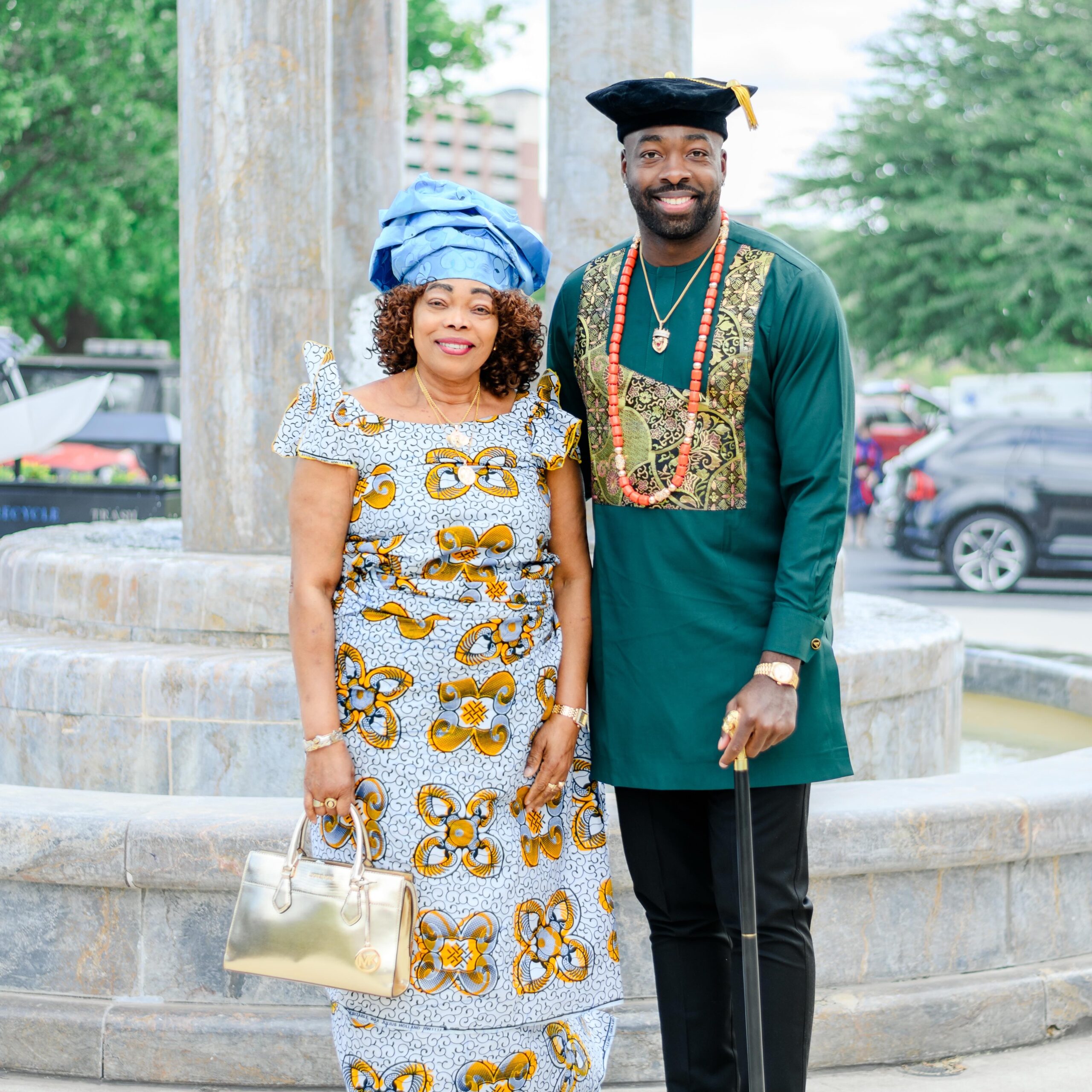
While playing professionally, you were also pursuing a PhD in Public Administration, which is incredibly demanding on its own. What inspired you to continue your education at that level while maintaining a professional athletic career?
As a Nigerian, education has always been highly valued within my family. While basketball opened many doors for me, academics were never viewed as secondary. From a young age, I was taught that education was one of the most powerful tools for creating opportunities and making a lasting impact.
During my professional career, I often had a lot of free time outside of basketball. Rather than allowing that time to go to waste, I decided to invest it in my future. I understood that basketball would eventually come to an end, whether sooner or later, and I wanted to prepare myself for whatever came next.
Additionally, with all of my siblings having earned advanced degrees, I felt a responsibility to continue striving for excellence. Pursuing a PhD was challenging, but it aligned with the values my family instilled in me and reflected my commitment to learning and growth.
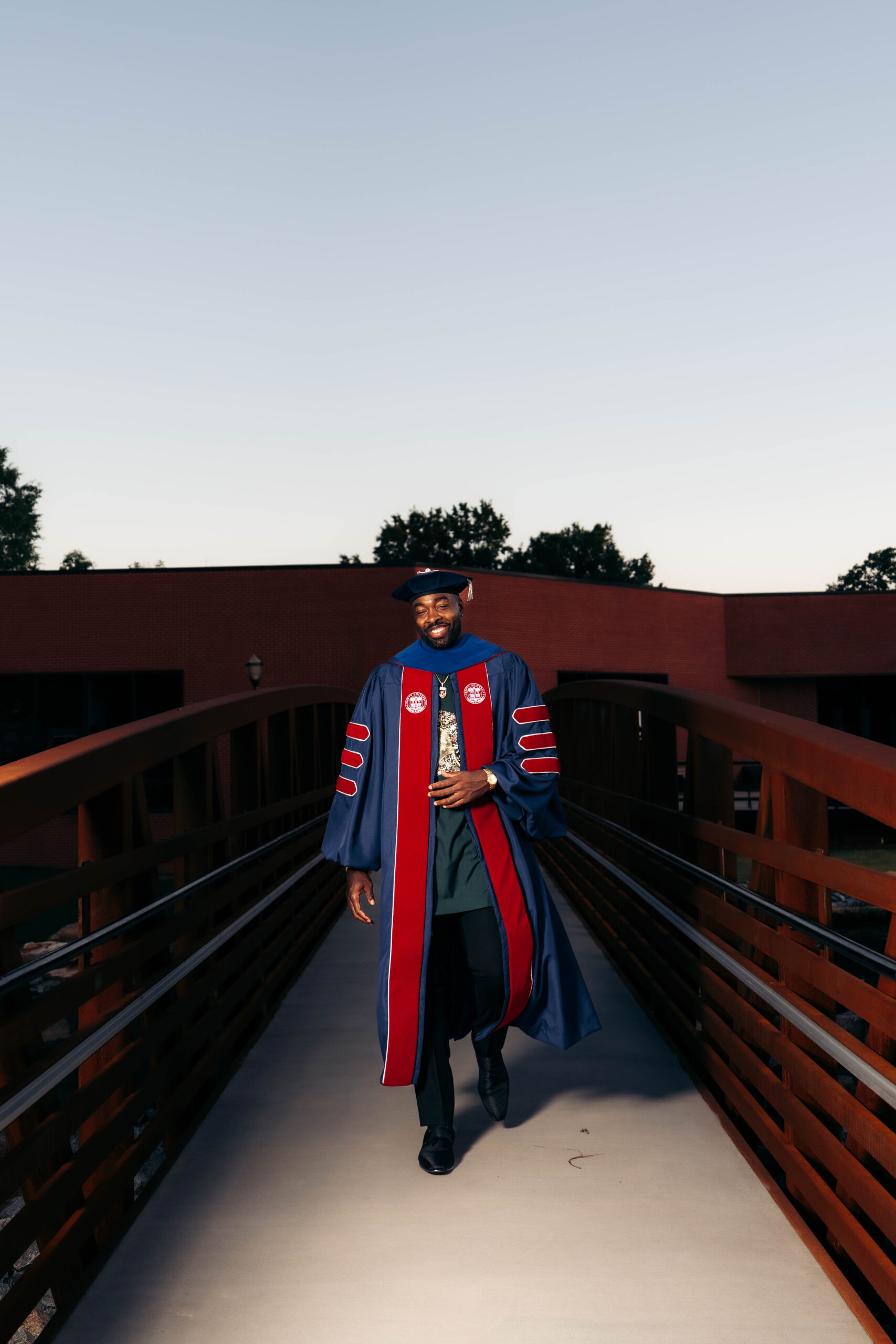
What were some of the hardest moments during your journey, whether emotionally, financially, mentally, or spiritually? Were there moments where balancing professional sports, academics, and life became overwhelming?
Absolutely. Throughout a 13-year professional career, there were seasons when I faced challenges emotionally, mentally, financially, and spiritually. Perhaps the most difficult aspect of playing overseas for so long was being away from family, friends, and loved ones. Living thousands of miles from your support system can create a sense of isolation, especially when dealing with the pressures of professional sports and the demands of doctoral studies.
There were definitely moments when everything felt overwhelming. Balancing basketball, academics, travel, injuries, and personal responsibilities required constant focus and sacrifice. However, those challenges also strengthened me. They taught me perseverance, patience, and trust in God’s plan. Looking back, I am grateful that even during the most difficult periods, I never lost sight of my purpose or allowed adversity to overcome me.
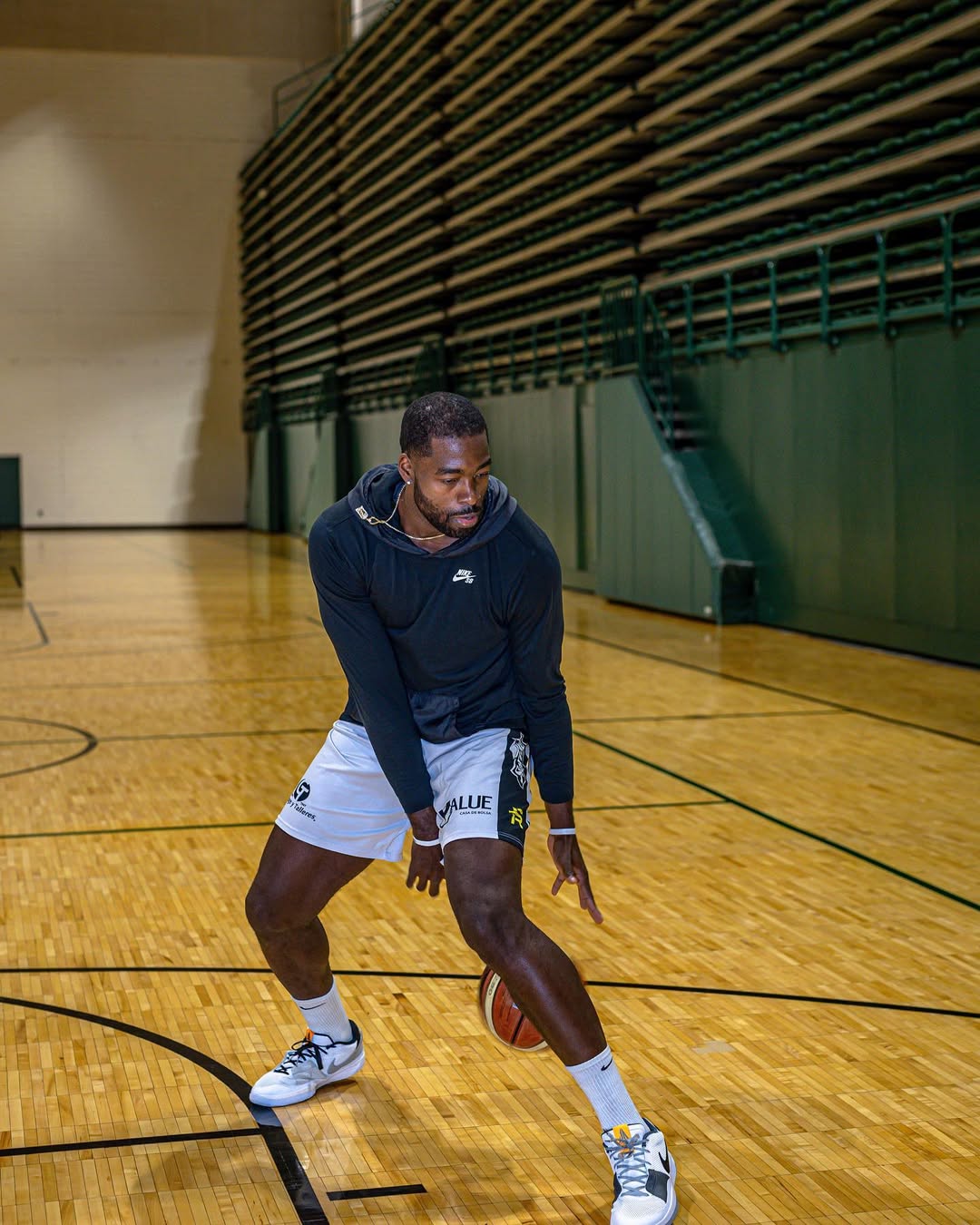
Faith appears to be a recurring part of your story. How has faith shaped the way you approached adversity, discipline, success, and purpose throughout your journey?
Faith has always been a steady presence in my life. Growing up, it was a core part of our family and shaped the way we approached both challenges and opportunities. It taught me to stay grounded, remain grateful and trust that there is purpose even in difficult seasons.
Throughout my basketball career and academic journey, there were plenty of moments when things didn’t go according to plan. Whether it was dealing with uncertainty, setbacks, injuries or simply being far away from family for long periods of time, my faith helped me maintain perspective. It reminded me that every challenge was temporary and that I could keep moving forward one day at a time.
It has also helped me approach success with humility. Earning a PhD, playing professionally around the world, and reaching certain milestones are accomplishments I’m proud of, but I don’t view them as achievements that happened on my own. I believe God opened doors, guided my path, and gave me the strength to persevere when things became difficult. More than anything, my faith has given me a sense of purpose and helped me stay focused on becoming the person I was called to be, both on and off the court.
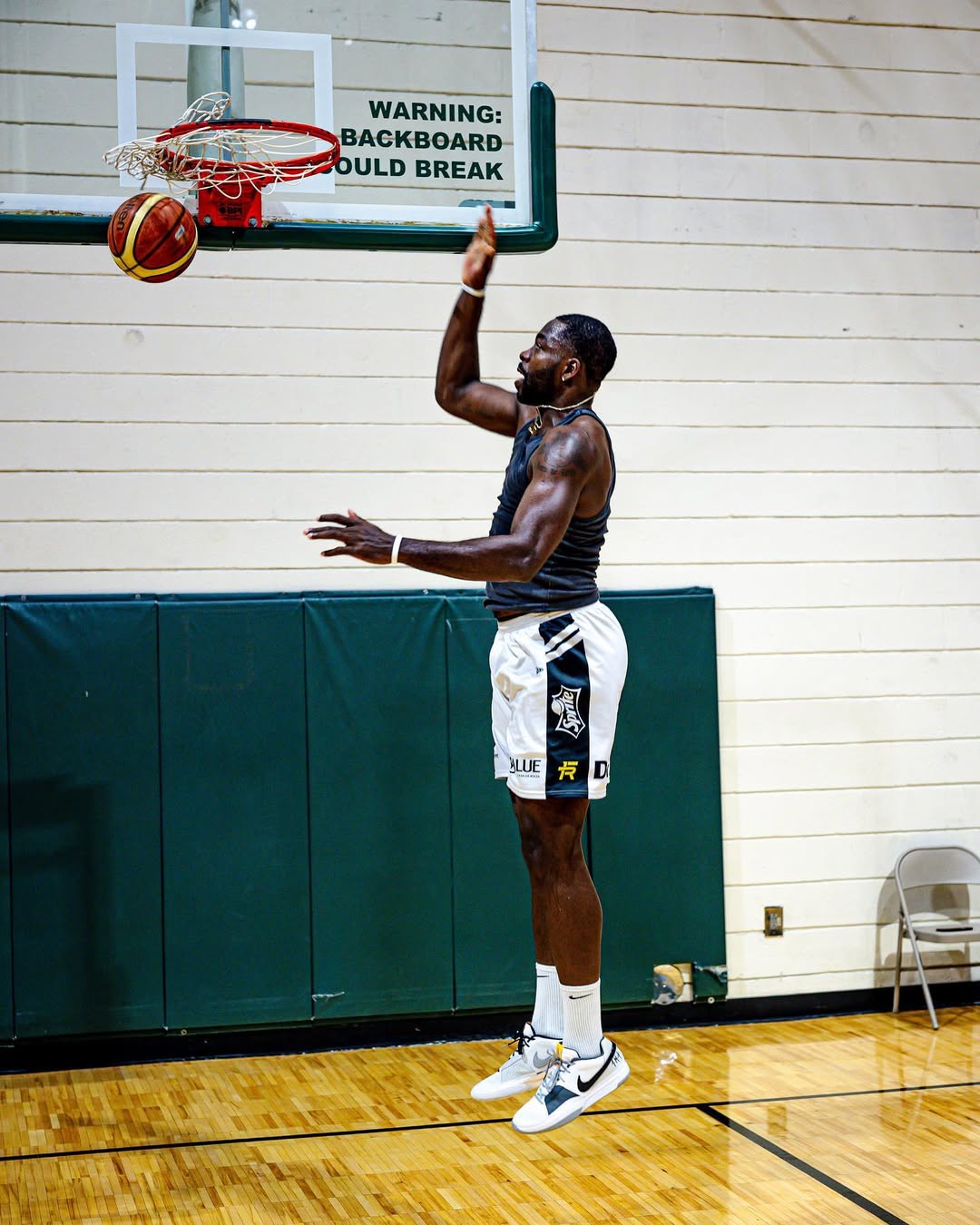
Today, when you reflect on your path — from Staten Island to professional basketball courts across the world and now earning a doctorate — what do you hope young Nigerians, African immigrants, and young Black boys take away from your story?
I hope they understand that where you begin does not determine where you can finish. Your circumstances may influence your journey, but they do not have to define your future.
I want young Nigerians, African immigrants, and young Black boys to know that it is possible to pursue excellence in multiple areas of life. You do not have to choose between athletics and academics, or between your dreams and your education. You can embrace both. You can honour your culture, remain grounded in your faith, and still compete and succeed on the highest levels.
Most importantly, I hope my story encourages them to dream bigger than their current circumstances. If a kid from the Staten Island projects, raised by immigrant parents with limited resources, can play professional basketball around the world and earn a PhD, then there is far more possible for them than they may realise. The journey will not be easy, but with faith, discipline, perseverance, and the right support system, great things can happen.