
Features
Ifedayo Osinowo: How We Got to the Post-Stigma Era of Braids

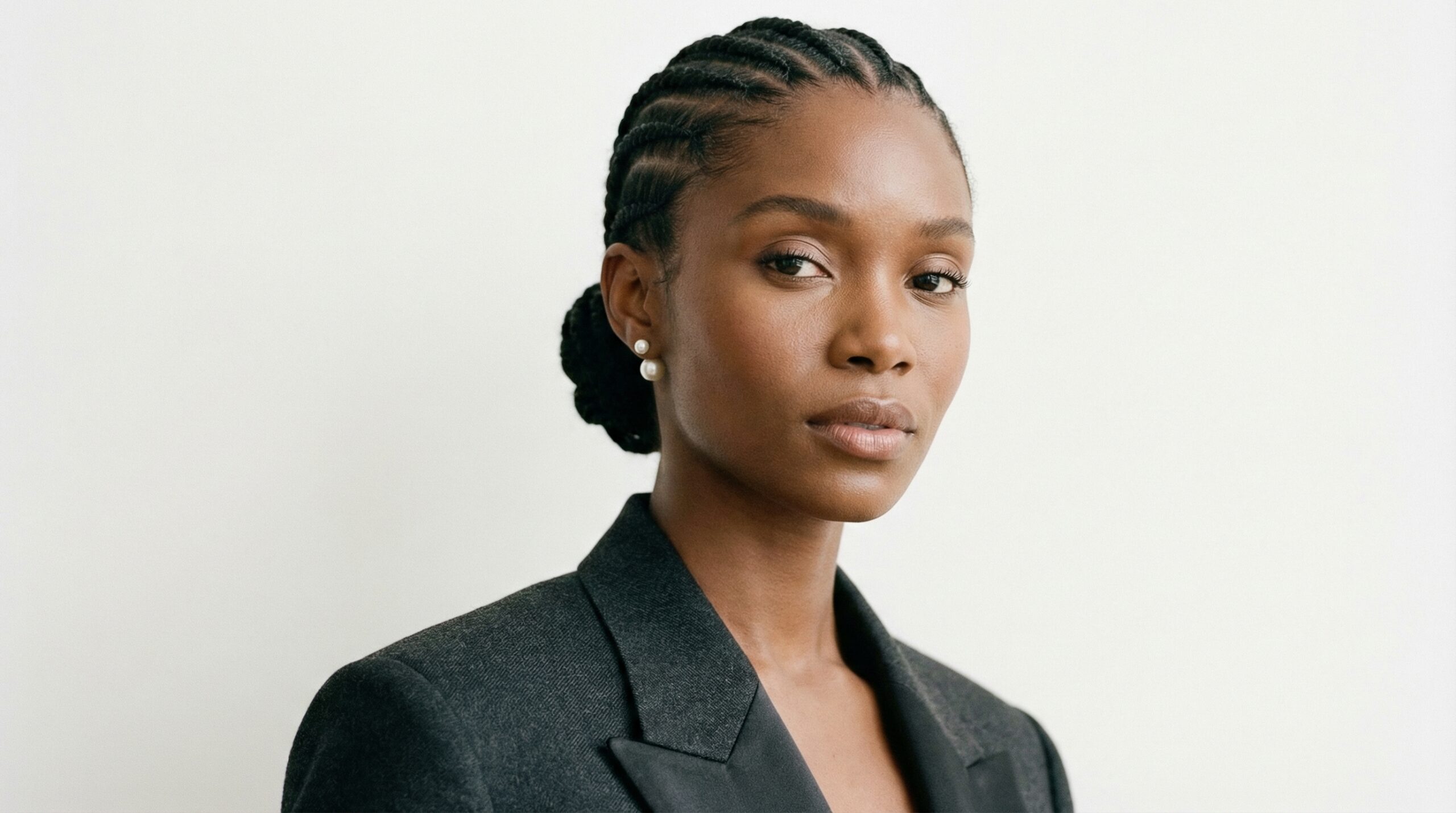
It reaches a point in every girl’s life where she’s forced to become a professional. Be it through corporate dressing, wearing skirts below the knees, minimal makeup, swapping colourful accessories for a singular pearl necklace and plain stud earrings, or eliminating braids from the hairstyle roster in favour of a straight wig. The trend of braids labelled as ghetto and unprofessional, while racially motivated, mirrored the way hairstyles of white counterparts were treated as superior. This corporate way of life, unfortunately, reached the urban parts of Nigeria, where a woman wearing her natural hair was deemed unbecoming and immature.
In 2017, the Nollywood film Isoken starring Dakore Akande sparked this conversation amongst Nigerians. In a conversation with her friends, Isoken is advised to “do something about her hair,” even though she prefers to express herself with her natural hair. The encroachment of Eurocentric standards is an obvious result of the dominant media consumed at the time, whether it’s Hollywood films or corporate Nigeria adopting its conventions from the Western world. This internalised racism forced women to trade their authenticity and heritage for conformity and acquiescence.
For a culture with deep, multifaceted traditions in protective hairstyles, it was only a matter of time before this negative ideal began to lose its hold with the rise of TikTok, an interesting nostalgia surrounding early 2000s Nollywood films and the actresses who pioneered creative takes on braids. The #Y2K Nollywood or #NollyBabes trends saw women take inspiration from these styles and give them their own spin. Actresses like Genevieve Nnaji, Rita Dominic and Thelma Okhaz inspired people to explore different hairstyles beyond the acceptable fade. Even male actors like Maurice Ndubueze and Jim Iyke.
Slowly seeping into the workspace, the new wave of female musicians like Tems, Ayra Starr, and Tyla further cemented the growing trend in braided hairstyles as the norm, as opposed to the weaved styles audiences were used to seeing on artists before them. Even though they also embraced braids, it wasn’t as bold as the new crops. As braids became more visible on international stages, music videos, red carpets, and album covers, they also became aspirational. Every week was a new braids trend that no one wanted to be left out of, as they now read as fashionable and fully mainstream.
The emergence of younger professionals in corporate and startup spaces has softened the boundaries around traditional grooming even further. The growing presence of a new generation of 9-to-5 workers, or the 9-to-5 Baddie, and less rigid work cultures has largely contributed to dismantling the older, conformity-driven beauty standard.
Although the stigma around braids has not disappeared entirely, it has begun to lose the authority it once held. Braids are now seen as both glamorous and classy, a style that maintains its homage to our cultural ancestry while serving as an outlet for creative expression without dwindling personality.