
Features
Jennifer Orisakwe: Why a C-Section Is Never the ‘Easy Way Out’ as People Think

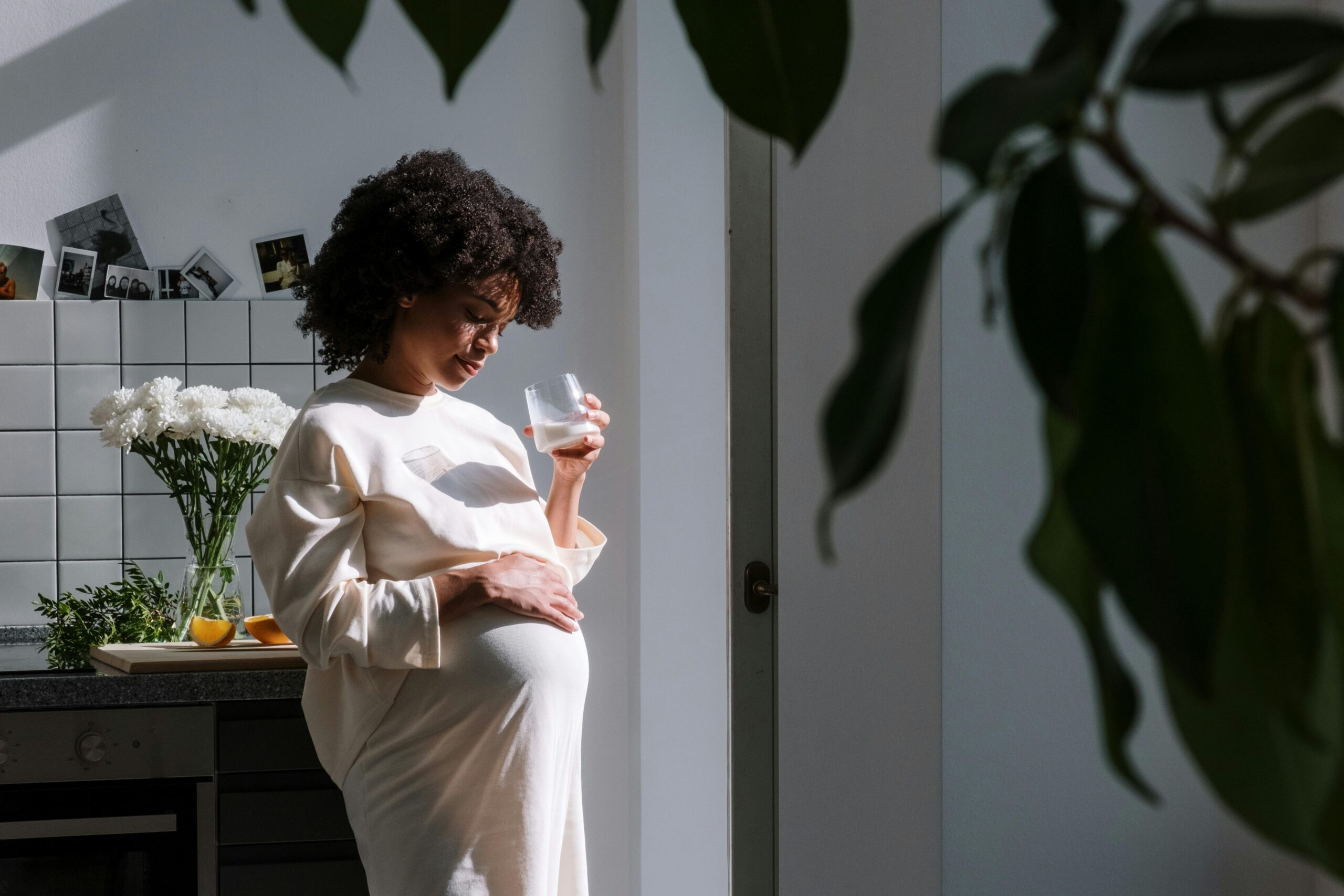
What if I told you that a major surgery that cuts through your abdomen, opens your uterus, and requires weeks or months of healing is still casually described as taking the easy way out?
It sounds absurd. Yet many women hear it after giving birth through a cesarean section. From people who have probably never experienced surgery, postpartum recovery or the courage it takes to heal while caring for a newborn.
A C-section is not a shortcut. It is not a failure. It is a surgery. And recovering from it is a process that reshapes the body, the mind and often, a woman’s sense of self.
What is a C-Section?
A cesarean section is not simply a different way to give birth. It is a complex abdominal operation where surgeons cut through skin, fat, connective tissue, muscle layers, and the uterus to safely deliver a baby. While many women are encouraged to stand or walk within hours of surgery, this early movement does not mean the body is healed.
Research shows that women who deliver by C-section are more likely to experience longer pain and sleep disruption postpartum than those with vaginal births. One large U.S. study analysing more than 1.5 million births found that mothers who had cesareans were 16% more likely to be diagnosed with a sleep disorder and reported higher levels of pain in the months after delivery compared to vaginal birth mothers.
Even when early mobility is encouraged, full physiological recovery often takes six to eight weeks or more, and in many cases several months.
The hidden physical
The scar on the skin is only one part of the story. Inside the body, tissues are repairing, nerves are regenerating, and scar tissue is forming. This internal healing can cause surprising sensations for many women, such as pulling or burning near the incision, numbness that may last for months, and pain when coughing, laughing, or standing up too quickly. In some studies, postpartum infection rates after C-sections are significantly higher than with vaginal births, and wound-related problems can delay recovery. A systematic review found that women with cesareans had higher odds of maternal death and postpartum infection compared with vaginal births.
Many women also experience weakness in the core and pelvic region, making simple tasks feel unexpectedly difficult. One new mother shared her experience online: “At nine weeks postpartum, I still couldn’t lift anything heavier than my baby without discomfort. I kept wondering what was wrong with me, until I realised my body was still healing.”
There is nothing wrong with her. There never was. She wasn’t being lazy; she was recovering.
The myth of the “easy way out”
The idea that a C-section is easier than vaginal birth persists because the pain is not physical and is often measured incorrectly. We compare labour hours, not surgical trauma. We focus on the absence of pushing while ignoring the presence of incisions, stitches and prolonged recovery.
Common myths include the belief that surgery avoids pain, that recovery is faster, or that six weeks is a universal endpoint. None of these is true. When these myths circulate unchecked, they do more than hurt feelings. They silence women who are struggling. They create shame around asking for help.
Some risks are unique to cesareans, including anaesthesia complications, greater infection rates and longer functional recovery. A prospective study in low-resource settings showed that a CS delivery was associated with increased maternal morbidity and mortality compared with vaginal birth in some regions, especially where healthcare conditions are strained.
This is why the World Health Organisation emphasises that C-sections should be performed when medically necessary rather than based on social preference alone.
When cultural beliefs become dangerous
In many communities, negative perceptions of cesarean birth have real, life and death consequences. A global review published by the World Health Organisation found that maternal deaths following cesarean sections in low- and middle-income countries can be up to 100 times higher than in high-income countries, and a significant proportion of all maternal deaths in those settings occur after C-section.
These maternal deaths are not usually due to surgery alone, but to delays in accessing care, resistance to surgery, and delayed decision-making. Another cohort study from the Horn of Africa found that when emergency C-sections were delayed by more than three hours, the risk of severe maternal complications increased significantly. Family decision-making was a key barrier to timely delivery.
Picture a woman in labour. Her baby shows signs of distress. Doctors advise an emergency C-section. But family members hesitate. They remember the cultural and religious shame associated with surgery. They wait. And in that waiting, danger grows, sometimes without notice.
This is not fiction. It’s someone else’s true story.
Studies show higher rates of prolonged fatigue among women who had cesarean births, even up to a year postpartum. Surgical site complications affect a significant percentage of women, ranging from infections to delayed wound healing. Long term pain, numbness, and sensitivity around the incision are common but often underreported. Recovery timelines vary widely. There is no single correct pace.
Supporting women after a C-section requires more than a discharge note and a follow-up appointment. It requires realistic conversations about pain and mobility, access to proper wound care and physical therapy guidance, emotional check-ins that normalise mixed feelings and time, patience and community support.
A C-section is not the easy way out. It is a major surgery. Every birth that brings life into the world is susceptible to risks. Every recovery deserves care. If you have had a cesarean and your body is still healing, you are not weak. You are recovering from surgery while learning how to mother.
And if anyone ever tells you that you chose the easy way out, remember this: Choosing survival, safety, and life has never been easy.
***
Featured by Cotton Bro for Pexels