Features
How Did Terry Apala Get Into Apala Music? The Singer Takes Us Through His Journey
The superstar shares how he discovered Apala fusion, his journey from church drummer to redefining the traditional sound for a new generation of Gen Z.


Apala is one of the most distinct sounds in Nigerian music, and Terry Apala has been one of the modern artists redefining the sound for a new generation. Growing up in Mushin, Lagos, immersed in Yoruba culture despite being Isoko, Terry found a way to blend the traditional sound of Apala with hip-hop, Afrobeats and contemporary production, creating what he calls Apala fusion.
From his 2016 breakout single “Champagne Showers” to his new single “Apaladisskizzy” featuring Mavo and his recent collaboration with Ayra Starr, Terry’s sound has continued to evolve while staying rooted in the identity of the sound. In this conversation with BellaNaija, he talks about his journey with Apala, connecting with Gen Z, his time away from music, the people who helped him find his way back, and why he believes traditional sounds can still have a place in modern music.
Hello, Terry Apala. Thank you for being here with us today. How are you feeling right now?
Hello BellaNaija. I feel good. I feel alright. Feels good to be here.
Great! You’re Isoko but grew up immersed in Yoruba culture in Mushin. How did that shape the Apala sound and identity you built?
As an Isoko guy, I’m from a family that doesn’t joke with our culture. We cherish our tribe so much, but seeing myself in a different community (Mushin) has shaped my personality, my way of reasoning and also helped me experience and understand more about Yoruba culture. I love it so much, growing up in a community where we mostly listened to more Yoruba music than other genres. I’m enjoying it because when I was doing rap and R&B, I was nowhere to be found and was just like every other regular artiste. But ever since I chose Apala fusion, things have totally changed for good for me. In essence, my kind of music is not just for Yoruba alone; it also represents Africa. It’s for everyone.
We will talk about Apala more, but let’s talk about recent times: How did the record with Ayra Starr happen?
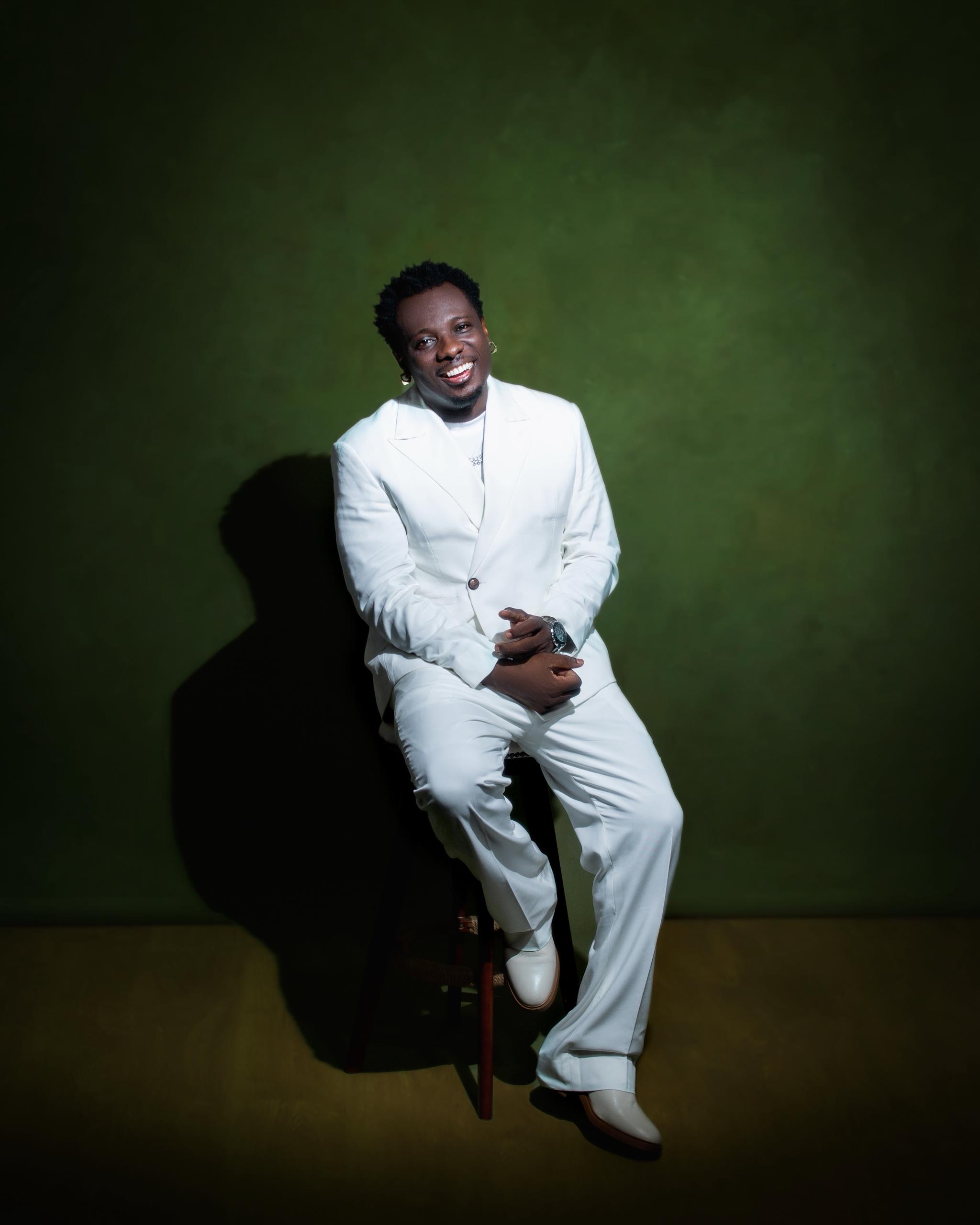
The record with Ayra Starr is such a masterpiece. Ayra’s team reached out to me and said they want me to be on Ayra Starr’s album; I’m honoured to be on such a rich body of work. It’s a win for Apala music. I’m gradually getting international recognition and more recognition from the Gen Z fan base because before now, most of them actually think I’m in my 70’s, haha. The song made them discover what I look like. Thanks to Don Jazzy and Ayra Starr, plus the Mavin team.
I love the song too, and your contribution made it much better
Glad you like it. Thank you.
Your new single “Apaladisskizzy” features Mavo. What drew you to the collaboration and his sound?
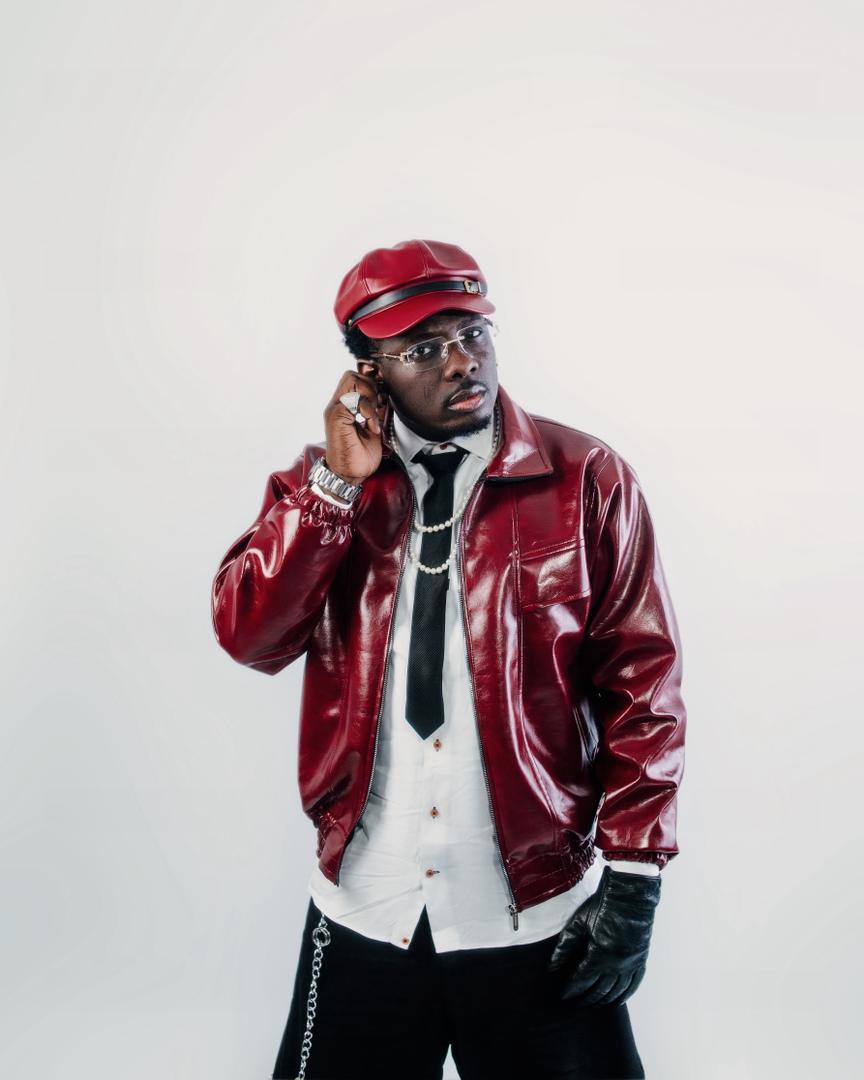
Yeee! The song with Mavo was something I needed at that time. I needed to connect more with Gen Z because they are part of my priorities now, so the song was needed, and a shout-out to Mavo because he really came through for me and went hard on the song. Mavo is an artist that understands what the new generation wants, so he’s the right person for the song.
That’s true. Now, back to Apala. When you make Apala Hip Hop, are you consciously preserving a traditional sound, or does it come naturally?
The thing is, when I’m in the studio making music (Apala fusion), I am always intentional about it. It’s a process. Also, I aim to make sure that the element of the Apala fusion craft doesn’t drop, so what I do is 40 per cent Yoruba, 40 per cent pidgin and 20 per cent English.
The thing is, when you hear me sing, you don’t even know when I’m singing in English, pidgin, or other languages because you feel that element of Apala in it. The likes of Pa Haruna Ishola, Sir Musiliu Ishola, Yusuf Olatunji and other Apala legends had songs that they wrote in English and pidgin, you know, so it is just the tone of the voice that makes it Apala. Music is a universal language, and my point is that I am intentional about my sound–Apala Hip Hop or Apala fusion, whatever you call it, but I call it Apala fusion because it is redefined as modern Apala.
“Champagne Showers” put you on the map in 2016. How do you look back at that moment and that version of yourself now?
That’s a great question. Champagne Showers really did a lot for me, and I must say, that song was an introduction to Apala fusion in the music industry, but there are a lot of differences between the era of Champagne Showers and now. Then, Gen Z could hardly relate to the sound because it was too deep for them to digest, or perhaps they thought Terry Apala was one grandpa. But now Apala fusion has gone far compared to then; Gen Z can relate to the vibe, and the sweetest of all is that I’m getting more visibility. Special thanks to DJ Tunez; he really did a lot for me. He’s part of the reason why I’m still here today; the whole world should celebrate him more. He’s a blessing to Afrobeats. Now that I’m here, I am gonna do whatever it takes to keep me here!
You once went two years without making music and felt deserted by friends. What was happening during that period, and how did you find your way back?
Yeah, I was out of the scene for two years. Life happened to me at that time; a lot happened during that period. It was the first time I’d ever experienced depression in my life. It’s something I really don’t want to talk about because if I start talking about it, it might put me in a bad state throughout the rest of the week. As I said earlier, DJ Tunez really tried for me and a shout-out to my team: Ire Edumare, my lawyer, Tasen, Yungsniekey, Leemat, Funmi Feso and to all my fans in the world.
We’re glad you’re in a better place now
Yeah, yeah.
You started as a church drummer and guitarist. How do those early experiences still influence your music?
Those early experiences shaped me more than I probably realised at the time. Playing drums and guitar in church taught me how to really feel rhythm, understand melodies, and connect with people through music. It also taught me discipline and how important live instrumentation and energy are. Even now, when I’m creating, I naturally pay a lot of attention to the rhythm, percussion, and the way different sounds come together. I think that foundation is part of why I’m able to blend different influences and still make the music feel authentic to me.

If a young artist wanted to build a career around a traditional sound, what would you honestly tell them?
I’d tell them to stay true to the sound, but don’t be afraid to evolve it. Traditional music already has so much history, identity and emotion behind it, so the goal shouldn’t be to run away from that, but to find your own way of presenting it.
Study the sound, understand where it comes from, respect the people who built it, and then bring your own personality into it. Experiment with production, melodies, songwriting and even other genres. You can preserve the culture while still making something that feels fresh and current.
For me, the most important thing is to be patient and consistent. Building around a traditional sound might take time, but if you genuinely believe in it and keep finding new ways to make people connect with it, you can create something that lasts.