Features
Chisom Mefor: International Women’s Day Should Be Used to Measure Women’s Progress

The 2026 International Women’s Day came and went, flooded with beautiful pictures, poems and tributes. But beneath all the celebration, one question lingered with me: Are we measuring progress, or just applauding it?
Marked globally every March 8, International Women’s Day serves as a reminder of the gaps and divides that persist, and the challenges women continue to face across cultures and systems. This year’s global campaign theme, “Give to Gain”, called on individuals and institutions to imagine a world free of bias, stereotypes, and discrimination. A world that is diverse, equitable, and inclusive. Around the world, organisations hosted events, highlighted women-led initiatives, and raised funds for women-focused causes, reinforcing the idea that collective action drives progress.
Meanwhile, celebration matters, but without measurement, it becomes performance rather than proof. While these events showcase achievements and good intentions, they rarely answer the bigger question: are women’s lives actually improving?
The struggle for women’s equality is not new. It has existed across time, cultures, and social systems. Even in pre-colonial Igbo society, women, like the Umuada, wielded influence in family matters, marketplaces, and certain community decisions. While they had avenues to exercise collective power, gender biases persisted in areas like inheritance, participation in village assemblies, and formal decision-making in public spaces.
Equality, as its core, has always been more complex than it appears at first glance.
For instance, in Europe, especially before the 20th century, women couldn’t vote, married women often couldn’t own property, politics was male-controlled, and public protest by women was limited and often punished. Even the long, hard-fought women’s suffrage movements took centuries just to win basic rights. Placed side by side with pre-colonial Igbo systems, the contrast is striking. While Western systems formally excluded women, Igbo women exercised structured, collective influence, visible, organised, and impactful, even within existing limits.
Years later, how far have we really come? In both Igbo communities and Western societies, have the gains translated into meaningful power, opportunity and equality? Are women’s voices being heard where it matters? Are they shaping decisions, leading initiatives, gaining visibility, and influencing outcomes?
Celebrating achievements is important, but without clear frameworks to measure progress, each year’s celebration risks being symbolic, a photo opportunity rather than a real marker of change. Until we answer these questions with numbers and evidence, we cannot know whether our efforts are actually transforming women’s lives.
Numbers can show us how well we are performing in the fight for equality, what last year looked like for women, what this year looks like, and whether we’re actually making progress. They tell the story of impact, of gains and gaps, and of whether our efforts are translating into real change.
Across the National Assembly as a whole, women hold less than 5% of seats, well below any meaningful standard of parity. How many women sit in the red chamber? How many in the green chamber? How many in total were in the 9th National Assembly, and how many are in the 10th? Of those women, how many sponsored bills for women? How many passed second reading? How many became law? And more importantly, what stood in their way?
In the 9th Assembly, there were 8 female senators. In the current 10th Assembly, that number has dropped to just 4 women out of 109 seats, representing about 2.7% of Nigeria’s upper chamber. This decline shows the fragility of progress when it is not sustained, tracked, or protected.
The same principle applies to public health. Progress in women’s equality can be measured through maternal outcomes, reproductive autonomy, equitable access to healthcare, and reductions in gender-based vulnerabilities. Nigeria still has one of the highest maternal mortality ratios globally, with an estimated over 500 deaths per 100,000 live births. How many women per 100,000 live births died in 2025, and how many now in 2026? Are women surviving pregnancy and childbirth? Are they getting access to quality care when it matters most?
About 1 in 3 women in Nigeria have experienced physical or sexual violence in their lifetime. This figure has remained relatively consistent across studies. Are we seeing real change over time, or simply better visibility of a long-standing issue? The data does not show a clear improvement yet. Violence against women remains persistently high across generations, and in many cases, underreporting means the real numbers are likely higher.
What if International Women’s Day wasn’t just a moment of celebration but a system of accountability? What if every year came with a “State of Women” scorecard, a report showing how women are faring in every country, every sector, every space where power matters?
We must move beyond webinars and conversations about barriers and start measuring power. We’ve asked for too long, “Are women represented?” Now we must ask, “Is that representation effective?” Are women’s ideas surviving the system? Are they able to participate fully and safely in decision-making spaces? Recent experiences involving female legislators, such as Senator Natasha Akpoti-Uduaghan, highlight that even when women hold positions of power, their ability to function, speak, and be protected within those systems can still be challenged.
Representation alone is not enough. We must track impact, hold systems accountable, and demand change that benefits all women, not just the few who are visible. Simply put, it is not just about shouting women in power, but about what has changed for other women because they are there.
Beyond governments and history, we can measure this, even in our offices. Women can look within their simple work environments and begin asking questions such as: Who makes up the hiring circle? Who leads and owns projects? Who is allowed to be visible and recognised? And who gets a seat at the decision-making table?
And what does success really look like?
***
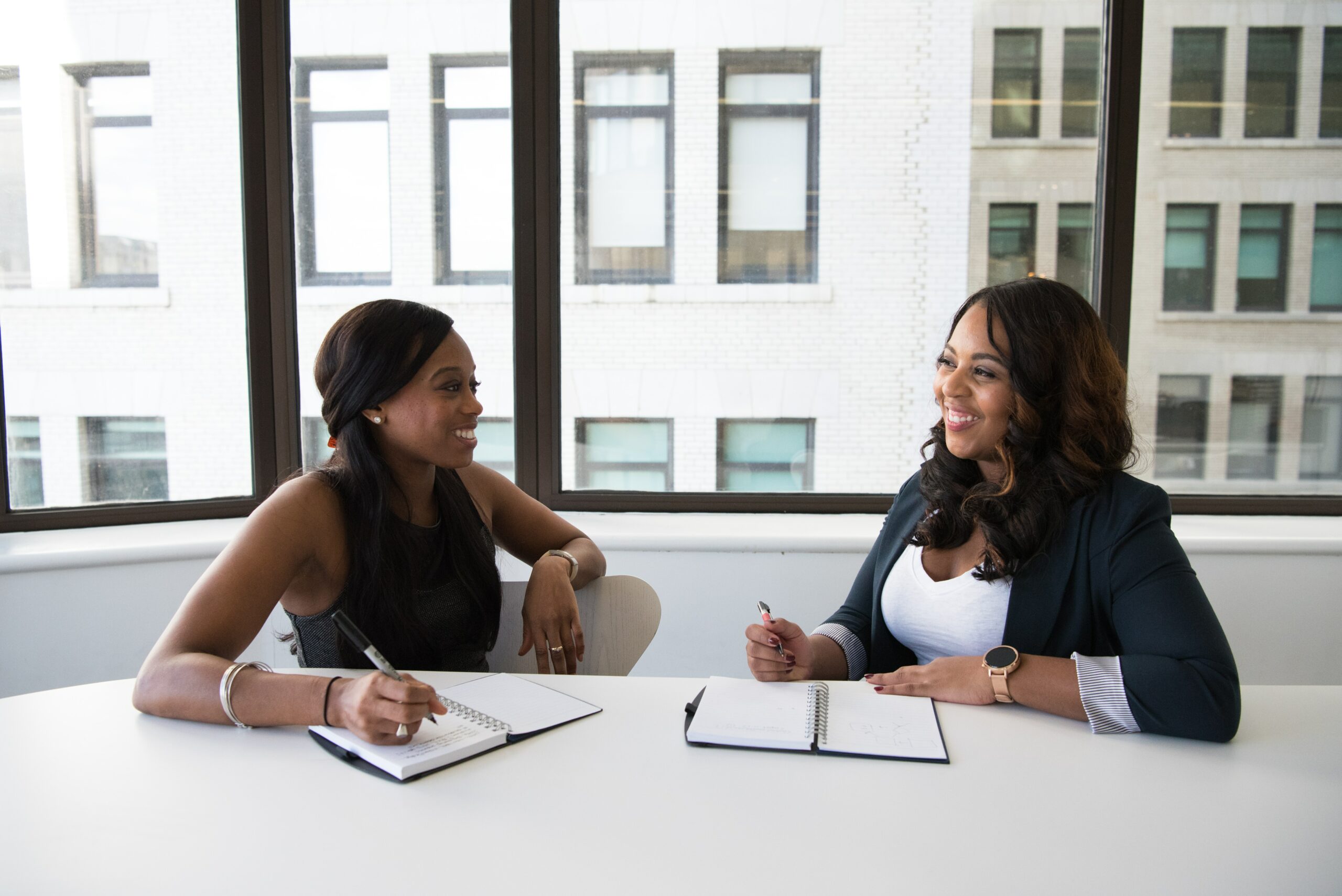
Featured Image by Christina Morillo for Pexels