
Features
Christianah Fasanya: What the Moon Teaches Fashion Designers About Sustainability

Generated Image
When I saw The Moon on my teaching schedule, I panicked. Despite seeing it nearly every night, I’d never paid attention to its phases beyond the occasional full moon in films. If I were going to teach this topic, I would need to learn it first.
That evening, I researched the phases of the moon: new moon, waxing crescent, first quarter, waxing gibbous, full moon, waning gibbous, last quarter, and waning crescent—each phase transitioning seamlessly into the next over a period of 29.5 days. I shared these with my students and gave them homework: Observe the moon every night for a month.
What I didn’t expect was that this assignment would change me, too. Watching the moon shrink and grow, disappear and return, I began seeing the familiarity of the cycles everywhere, including in my overflowing wardrobe. Walk with me.
The Waxing Phase: New Clothes, New Excitement
Our relationship with clothing is like the moon’s journey. When we buy something new, we’re in the waxing phase; excitement is building, and the item is growing in importance. We wear it constantly, photograph it, care for it meticulously. The dress is at its full moon, attracting attention and bringing us joy.
The Waning Phase: Fading, Tearing, Forgotten
But inevitably, the waning begins. Colours fade, seams tear, trends shift. The item that once hung at the front of our closet gets pushed to the back, then shoved into a corner, then considered for the trash bin. We treat these clothes as though they’ve completed their cycle—finished, disposable, gone.
Cycling Back: From Waning to Waxing
Meanwhile, the moon taught me that nothing truly disappears. A particular phase of the moon isn’t an ending; it’s a transition. The moon vanishes to prepare to wax again. Our clothes can do the same. Instead of discarding items in their waning phase, we can intentionally cycle them back to fullness: Dye faded fabrics. That sun-bleached black dress? Try indigo or charcoal dye. Bleach stains on a colored shirt? Tie-dye or completely bleach for a new look.
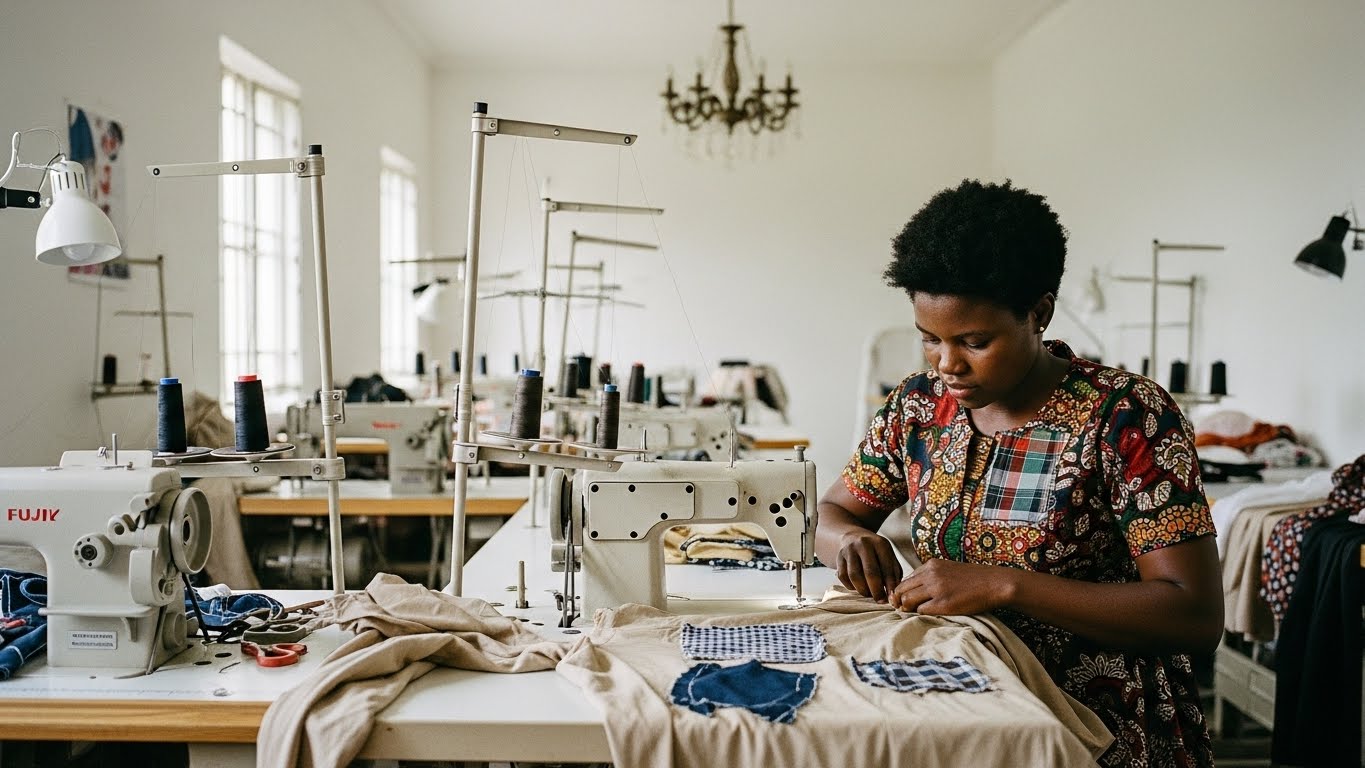
A tear doesn’t mean the end. Repair creatively. Embroider over it with colourful thread, turning damage into a decorative feature. Add patches made from contrasting fabrics, as known with the Japanese boro style for centuries.
Reconstruct entirely. A worn-out maxi dress can be transformed into a skirt. Old jeans transform into bags. Oversized shirts become crop tops. The garment changes form but continues its cycle. Replace components. Shoes and bags can be reborn with new leather, new soles, and new hardware.
Designers, Zero Waste Production
The moon’s revolution is continuous, wasting nothing as it shifts between phases. Fashion designers can adopt this idea by utilising every piece of fabric to its fullest potential. Gone were the days when tailors used fabric offcuts for simple things like dusters or inner pockets.
Today, too, designers are getting creative, using production scraps as patches for new dresses, embellishments on shoes, bags, and purses. They use materials for accessories, such as scarves and scrunchies. The lesson from the moon is that there is no waste. Every material can be switched to a new phase.
The fashion industry produces tons of textile waste annually, much of which ends up in landfills, where synthetic fabrics take decades to decompose. The moon’s cycle informs us that our clothes don’t have to die at the waning phase. With creativity and care, we can bring them back to fullness, again and again. In the coming year, whenever we notice the moon, I hope it reminds us of our clothes and how to care for them, regardless of its phase.