Features
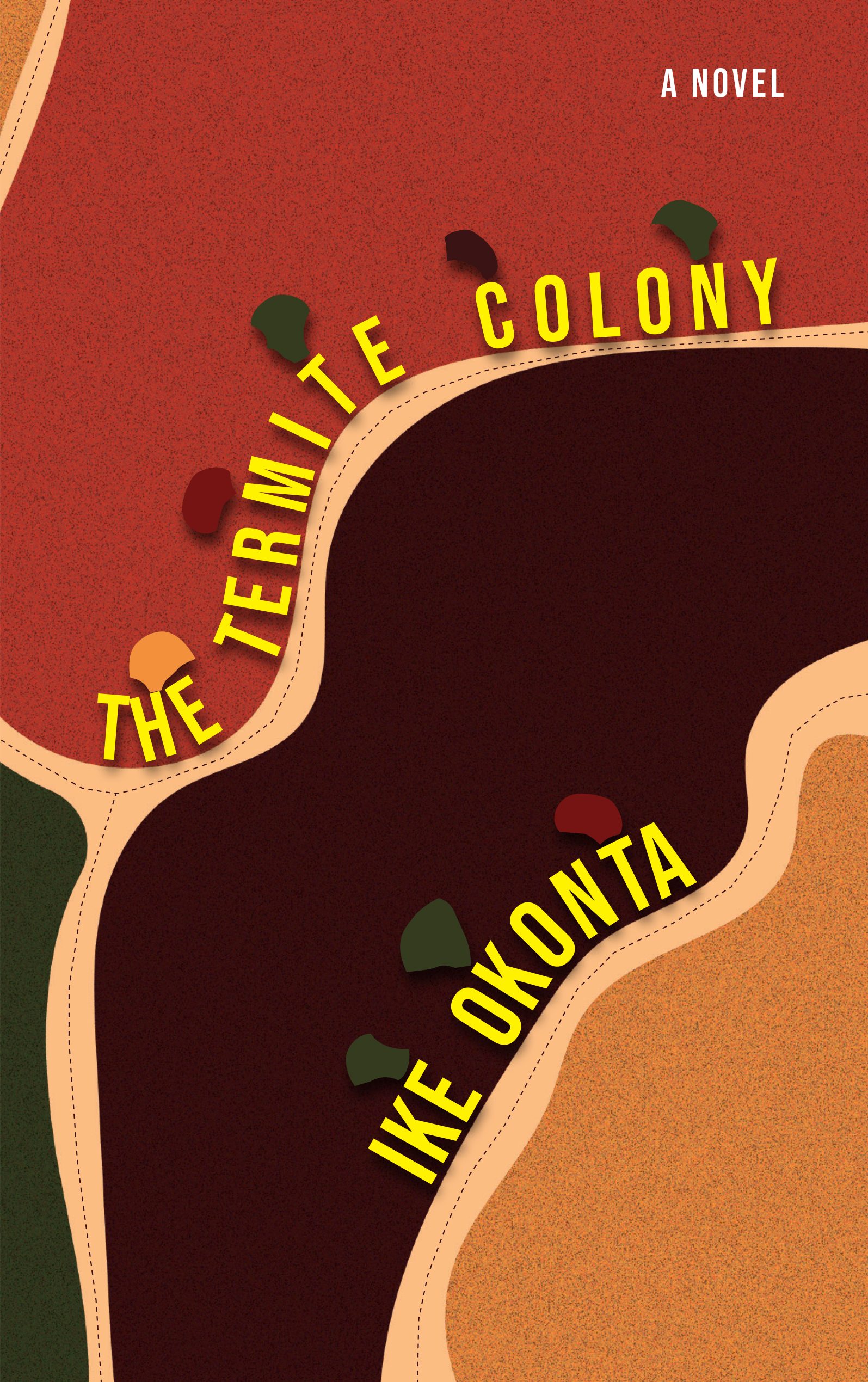
BN Book Excerpt: The Terminte Colony by Ike Okonta

He had always believed Ebuka Amanze was indestructible. During the long years of military rule, the generals had tried to permanently silence him but they had failed. As General Secretary of the Pro-Democracy Coalition (PRODEMCO), Ebuka was always in front, urging the people to continue their resistance, to close ranks and present a common front against their military tormentors.
Then democracy had come — what a wonderful day that was! The Nigeria Peoples’ Congress had taken power. Unfortunately, the politicians had quickly returned the country to the bad old days of the generals. The NPC had been in power for 20 years now – 20 long and lustreless years of regularly ‘winning’ elections and doing nothing to alleviate the people’s suffering.
Ebuka had continued to rail against the NPC politicians, insisting that they were no different from the generals and that the people should use their votes wisely in the next election and turf out the rogues. As long as Ebuka Amanze was at the barricades, his trademark red shirt clinging tightly to his body and right hand thrust out in a clenched fist, there was hope that the country would be saved, that the election-rigging politicians would be shown the way out.
Now Ebuka was dead.
The manner of his death was so ordinary — an automobile accident. He had travelled to the north-eastern city of Juk to help members of the National Labour Congress to rally the people to protest the government’s latest petrol price increase. The event had gone well. Ebuka was returning to Lagos, his base, when the taxi he was in ran into a stationary truck on the side of the highway sixty kilometres from Juk. Ebuka and two others, including the driver, were killed instantly.
It was a stunned nation that received the news of Ebuka’s death. As soon as the shocking event was announced on national television, the President of the National Union of Students called a press conference and declared that the NPC government had assassinated Ebuka Amanze and made it look like an automobile accident.
He demanded that an independent panel of enquiry be set up to unravel the real circumstances surrounding the sudden and mysterious death of this great patriot. The National Labour Congress joined the National Union of Students to demand for an independent investigation. Non-governmental organisations pressed the government to come clean.
The country was on edge.
It took Itohan Osagie’s intervention to douse the tension. She was the Director of Mobilisation of the secretive Socialist Front of Nigeria, the real power behind PRODEMCO during the grey years of military rule. Ebuka had led the Socialist Front while holding the position of General Secretary of PRODEMCO.
Itohan had travelled to Juk to retrieve Ebuka’s badly mangled body and returned it to his old parents in their village in Imo State. Pa Amanze, a retired school headmaster, had insisted on an immediate burial for his only son. The village youths had done his bidding. They had dug a grave behind the house and lowered the body, in a simple wooden coffin, into it.
The only indication that one of the country’s leading political figures was about to be interred was the national flag, which Itohan insisted be draped around the coffin. The youths filled the grave and everyone departed, leaving Ebuka’s grieving parents to mourn their loss.
Hearing of Ebuka’s burial, the President of the National Union of Students changed tack. He announced that a memorial service would be held in Ebuka’s honour at the National Stadium in Abuja and that leading trade unionists, journalists, civil society workers, academics and, of course, great Nigerian students would attend and deliver eulogies.
The NPC government instructed the Chief of Police not to issue a permit for the gathering. They insisted that Ebuka Amanze had been buried and that was the end of the matter.
The National Union of Students gave the government one week to consider its request, stating that if the Chief of Police refused to allow the memorial service to hold in Abuja, it would mobilise students nationwide to march on the Presidential Villa. The President of the National Labour Congress backed the students and declared that he would ask Nigerian workers to lay down their tools if Ebuka Amanze, a known friend of labour, was not accorded a befitting memorial service.
The government was backed into a corner again.
Rescue came in the person of Reverend John Opini, Archbishop of Abuja. Archbishop Opini was no Desmond Tutu. He always steered a middle course, upbraiding the NPC politicians when they ‘won’ yet another term in office through a mix of openly buying votes and filling the electoral register with their loyalists, and then urging the people a few weeks later to ‘pray for the government as it is written in the Bible.’
The people’s opinion as to what to make of Archbishop Opini was divided. Some saw him as the people’s champion like Ebuka Amanze — only that he was a churchman, so there was a limit to what he could say. Others insisted he was a supporter of the NPC government and that his occasional criticism of the politicians was not really heartfelt. Nonetheless, Archbishop Opini was a national figure who was often interviewed by television and newspaper reporters. He had ready sound bites and journalists loved him for this.
Archbishop Opini announced on national television that he would visit President John Jamba to discuss the Ebuka Amanze matter and work out the way forward. Two days later, he called a press conference and stated that the memorial service would take place after all, but in his church – the Cathedral Church of Saint Paul. The cathedral, large and cavernous, had played host to many important state funerals. Politicians, and before them the generals, had their weddings there.
_
The Terminte Colony is written by Ike Okonta and published by Narrative Escape.