Features
Anuoluwakiitan Adeleye: Do Nigerians Have a Love-Hate Relationship with Rising Creators?

Nigerians love a struggling content creator, until they stop struggling. The “I better pass my neighbour syndrome” pervades our everyday lives so deeply that it extends into the online space. Over time, there has been a certain content niche, especially on TikTok, that I like to call poverty core. It’s very easy to identify these creators: The grainy, low-quality videos taken on their Android devices, the “sapa specials” they cook, the tiny one-bedroom or self-con apartment that usually houses them and their four children with mildew on the walls, their tired and unkempt appearances, you name it. They document their lifestyles for us to consume, and we eat it up easily.
Pity sells like a bottle of ice-cold water on a sunny afternoon in Lagos traffic. All it takes is for the algorithm to push just one single video, and boom, they rake in hundreds of thousands of likes. The rise to internet fame is almost instantaneous, gathering mixed emotions. The most prominent ones are pity and superiority. Seeing someone in an evidently worse situation than you are gives a smug satisfaction that someone out there is having it worse than you. After all, “bad as e bad my own no too spoil.” At least you didn’t cut a whole fish into 25 pieces to use for three pots of soup, right?
The content rollout is steady. Back-to-back videos of their daily activities, and before you know it, the donations and gifts trickle in. Pity sells, remember?
Business owners try to take advantage of this visibility and send their products to these people, hoping for some sort of PR. They get free products, invites to restaurants, free service at the beauty salons, and free clothes. In return, they tag or give a shout-out to whoever was responsible for these Samaritan acts and the profile visits, views, and likes skyrocket for these business owners; everyone is happy. If this converts to actual paying customers, well.
This happiness doesn’t always last long. Suddenly, the same people you once thought you were better than are enjoying these privileges that you would normally pay to experience.
Some of these creators aren’t chasing sympathy; they’re just sharing their reality. It’s not exactly their fault that you trivialised said reality and transformed it into a yardstick for personal growth.
We root for people who remind us of our hardships, but the moment they start rising, a sense of betrayal sets in. As if they have crossed into a world we no longer recognise. How dare their situation improve, and you’re still here? The once-manageable hate comments, termed as “cruise”, build like an angry storm. Venomous words are spewed, false narratives are pushed. After all, they wouldn’t have gotten there if it weren’t for you, the viewers, so you think. Examples of such situations are like a university student who gained recognition in the dedication she shows in advertising the packages she receives; a 24 year old mother of four children whose content focuses on her life as a wife and young mother, or a lady who has recently come under some heat for leaving former partner for arguably good reasons, reasons that have been twisted to her leaving because she has made it.
Nigerians supporting poverty-core creators because they feel like they know and relate to them is a form of parasocial attachment. When those creators start living better, they feel like they have changed or the creator has left them behind. It’s a never-ending cycle that has proved true, time and time again.
Our digital culture thrives on relatability and not success, and once that fades, we move on. Unless we learn to celebrate growth and not romanticise hardship, we will keep mistaking progress for pride.
***
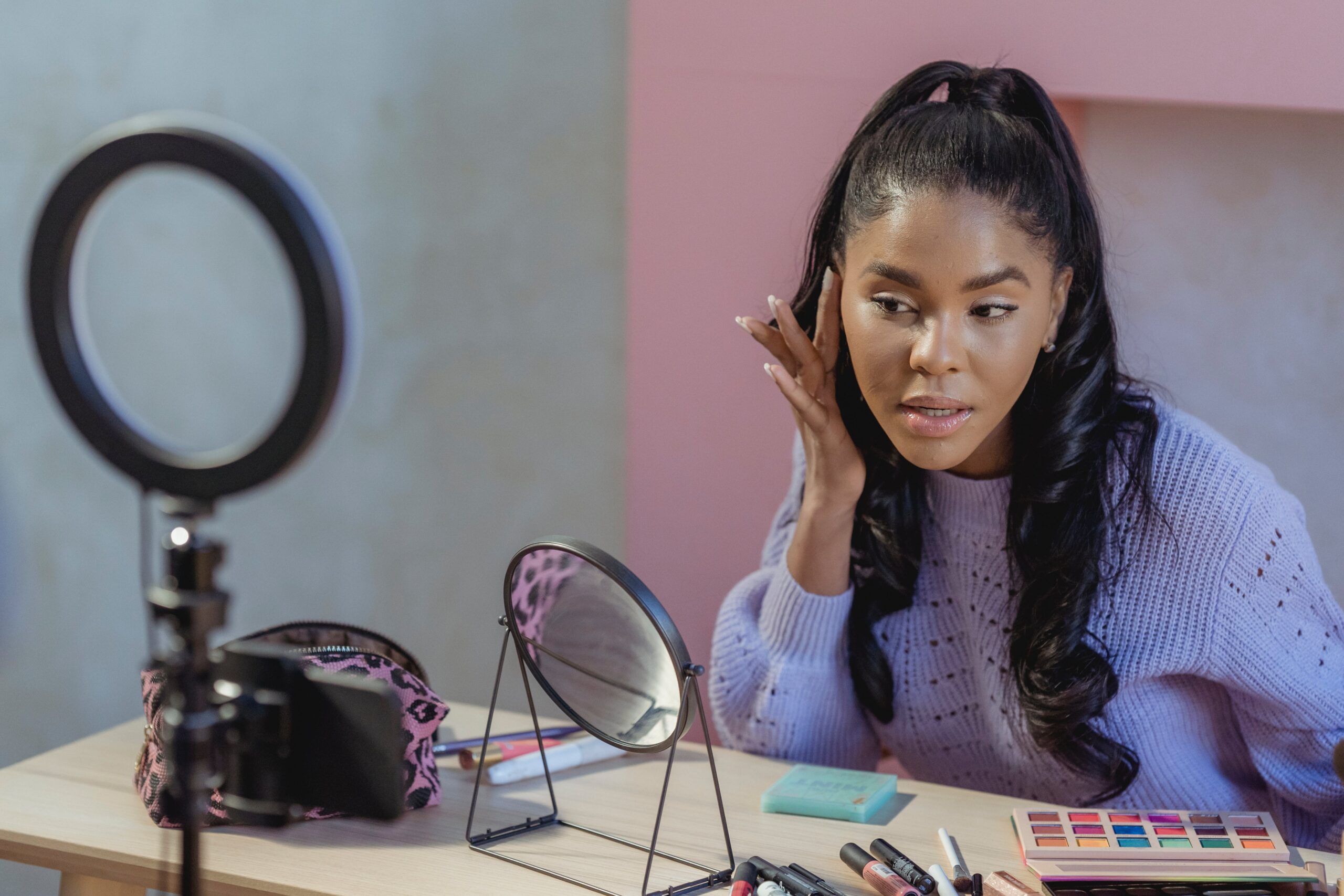
Featured Image by George Milton for Pexels