
News
Why Nigerians are Saying ‘No Thanks’ to PayPal’s Return via Paga
PayPal partners with Paga to allow inbound payments in Nigeria, ending years of restrictions. However, the 2026 return is met with a fierce boycott as Nigerians recount stories of lost funds, frozen accounts, and the resilience of a home-grown fintech ecosystem that thrived in PayPal’s absence.

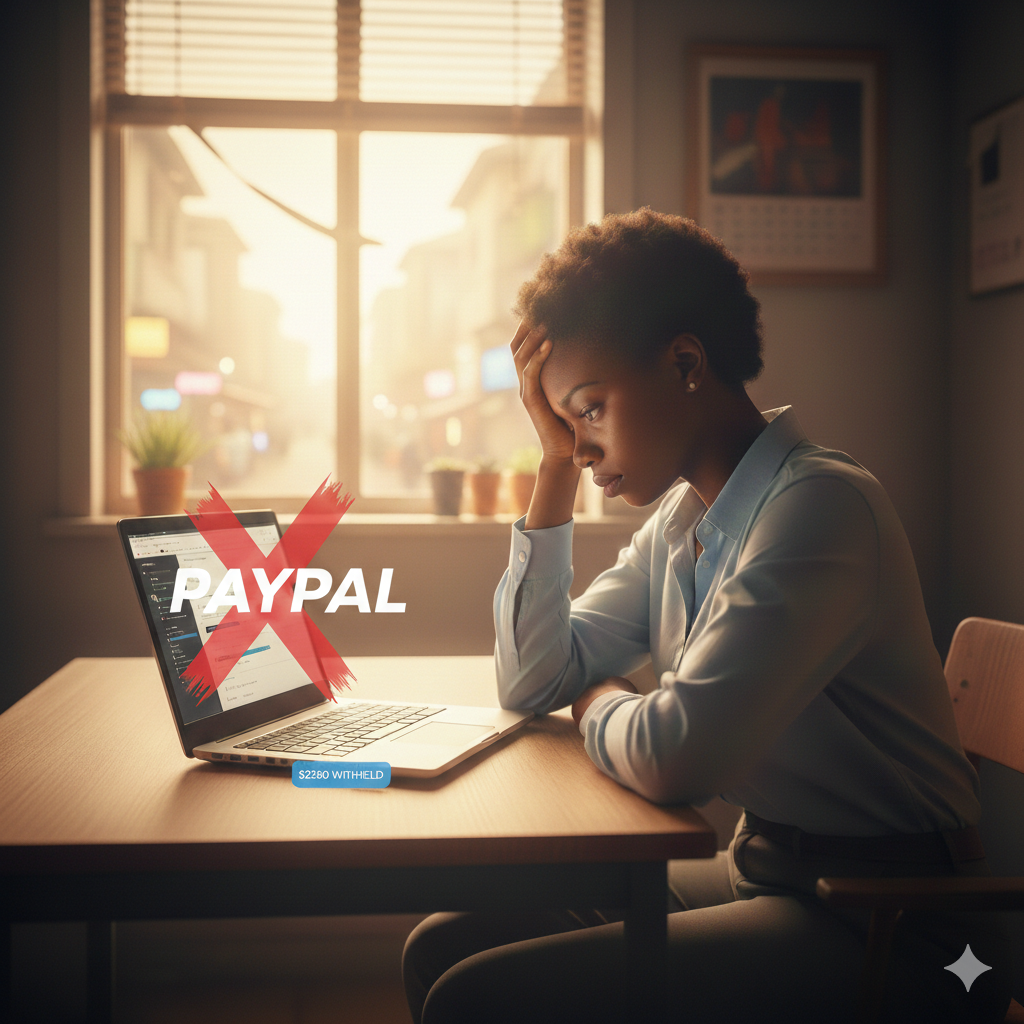
For the average Nigerian freelancer, shopper, or tech enthusiast, the word “PayPal” often triggers a heavy sigh. Since its inception in 1998, the American-based giant has been the global gold standard for digital payments—acting as a secure electronic alternative to traditional banking for sending and receiving money across borders. However, for Nigerians, that “global” access has always come with a massive asterisk.
Nigeria’s history with the platform is, in a word, complicated. For years, the country was famously “blacklisted” from the service entirely. When PayPal finally opened its doors to the Nigerian market in 2014, it was a half-hearted welcome; users could send money to make international purchases, but were strictly barred from receiving funds. For a burgeoning nation of digital creators, freelancers, and exporters, this wasn’t just a technical inconvenience—it felt like a systemic snub that locked many out of the global digital economy.
Now, in January 2026, PayPal is attempting a more functional comeback. Through a strategic partnership with the Nigerian fintech pioneer Paga, users can now link their Paga wallets to PayPal. This collaboration is designed to bridge the gap, theoretically allowing Nigerians to finally receive international payments and withdraw them into the local ecosystem.
Tayo Oviosu, Founder and Group CEO of Paga, described the rollout as a transformative moment for local commerce. “The partnership would enable Nigerians to use PayPal anywhere PayPal is accepted globally,” he stated. “It would also enable Nigerian merchants to accept PayPal for payments.” According to Oviosu, this integration is the result of over a decade of patience and building the robust, trusted local infrastructure that global platforms like PayPal eventually need to scale effectively in Africa.
Yet, instead of the expected victory lap, the digital streets are calling for a boycott. The bitterness on social media isn’t just about the “receive” button; it is rooted in decades of perceived disrespect and deep, personal scars. In PayPal’s absence, Nigeria built a billion-dollar fintech ecosystem, with homegrown heroes like Flutterwave, Paystack, and Grey stepping in to do what the global giant wouldn’t.
The sentiment across the timeline is clear: Nigeria didn’t wait to be “saved.” As one tweet put it, “Africa doesn’t need PayPal; we are only a growth engine for them… they have come back with their begging bowl.” Many see this return as a “Hail Mary” move by a company that stayed away until it realised it was losing the “wallet war” in Africa’s largest economy.
Beyond the macro-economics are the human stories of lost livelihoods. One user recently recounted a devastating experience from 2019, where $2,500 earned through freelance work on Fiverr was frozen by PayPal for 180 days. Just twenty-four hours before the withdrawal date, the platform allegedly swept the entire balance, leaving him with nothing. “I almost ran mad,” he shared. “It set me back terribly.”
With accounts of frozen funds and arbitrary bans still fresh in the collective memory, the consensus appears to be one of extreme caution. While the Paga partnership offers a new technical bridge, many are asking if this is simply a case of “too little, too late.”
See how Nigerians are reacting:
The day PayPal holds your money, don’t come here to ask us to fight for you. pic.twitter.com/K1qWgjhePp
— Leo Dasilva (@SirLeoBDasilva) January 27, 2026
PayPal locked Nigerians out of the global digital economy for 21 years. No receiving payments. No withdrawals. Just ‘send-only’ status while our freelancers and businesses struggled. Now that we’ve built a billion dollar fintech ecosystem without them, they want back in. The…
— MrBanks💰 (@Mrbankstips) January 27, 2026
Should I talk about how paypal took my $2500 I earned and withdrew from fiver to my paypal in 2019? They closed my account, held my money for 180 days and a day before withdrawal date, they took the money of my balance and withdrew to their own bank.
I almost ran mad. It was the…
— Eziokwu (@Iameziokwu) January 28, 2026
My honest opinion is that Africa doesn’t need Paypal, we are only a growth engine for them, nothing more.
When they were the only route for Africans to get paid globally, they shut the door
Now that access is expanding globally, they have come back with their begging bowl.
— Chukwuedozie Nwa Charlie (@TheCharlesIsidi) January 27, 2026
What @paypal stole from me btw 2014 and 2019 is ridiculous and unfair, worked only once, as a freelancer, I Lost gigs, lost payments and even worst the free funds they’d reverse severally esp when I needed it the most.. Payback x10 or fuckoff pic.twitter.com/CbpgwBixnB
— Geniux (@dgeniux) January 28, 2026
There’s no single thing Nigerians said about PayPal that is wrong. None.
What they did to Nigerians is unforgivable.
— Àgbà Akin (@Kynsofficial) January 28, 2026
The only reason PayPal is “opening up” to the African market is because they are losing out to the new competition, and it’s not just Stripe, it’s Whop and all the other new payment guys.
Their business is dying. They damaged their rep so bad their only hope of escape is to…
— Ikenna Nzimora (@ronaldnzimora) January 27, 2026
If you’re planning to use PayPal in Nigeria, be careful sha.
They’re quick to withhold money, and you don’t have a government that will fight your battles for you.— Oiza (@Steadi_lady) January 27, 2026
***
Featured Image generated by AI