Features
Rita Chidinma: The Vulnerability Gap in Modern Motherhood

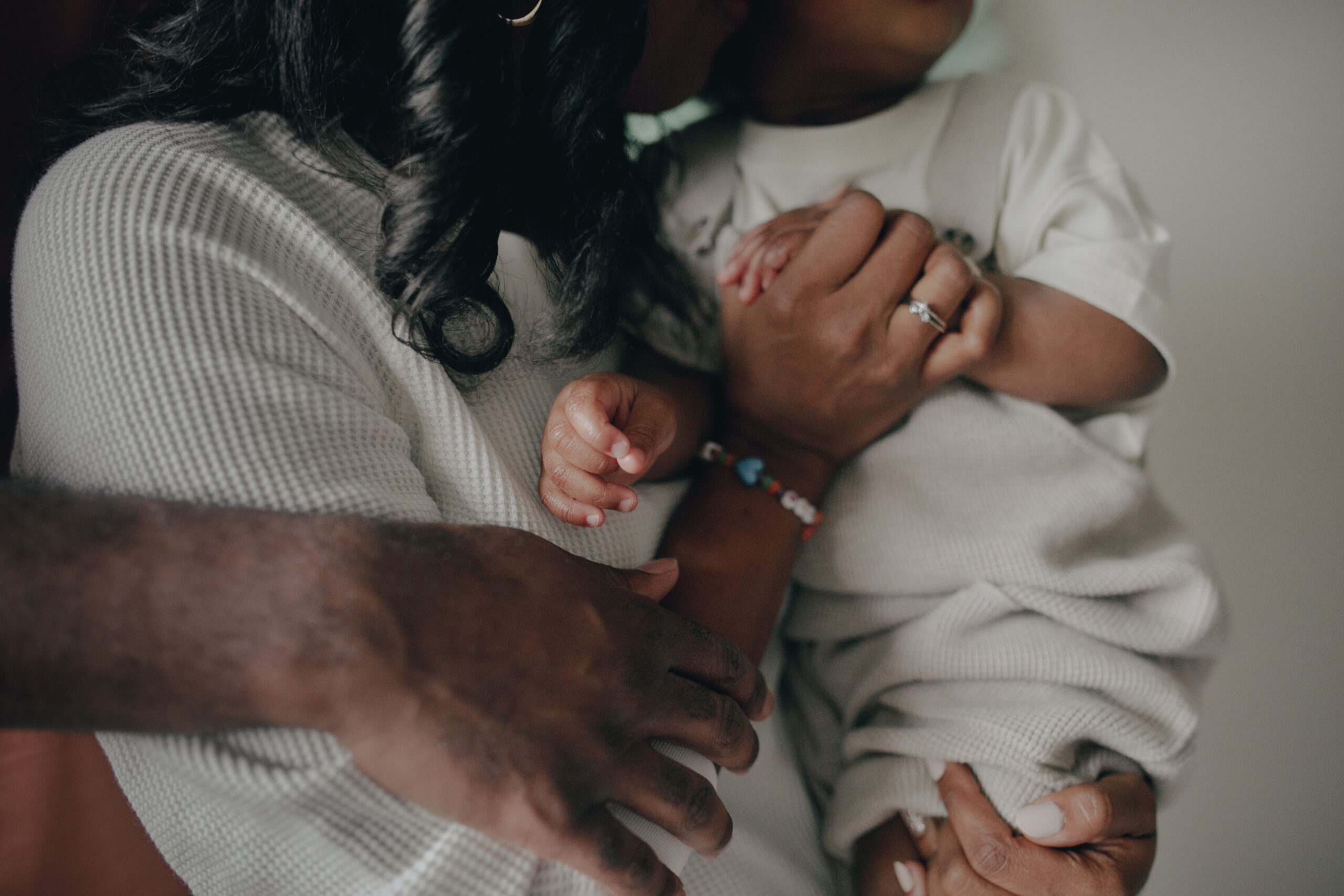
Featured Image by PNW Production/Pexels.
It was 10:47 p.m., and Amaka sat on the kitchen floor, crying. Her baby had been unusually fussy all day and had spilt juice on the freshly folded laundry. Dinner was late. The sink was full. In between cleaning the stained laundry and trying to manage her very active baby all day, she had forgotten to eat. Again.
Still on the floor, she pulled out her phone. Her hands moved instinctively. She just opened her contacts and phoned her younger sister.
“Hello?” her sister answered.
For fifteen minutes, she talked. She talked about how tired she was. How invisible she felt. How motherhood now seemed to consume every part of her life. How she couldn’t remember the last time she had done something simply because she enjoyed it. How she loved her babies deeply, but sometimes missed the woman she used to be. The experience of motherhood was all too much at once.
Her sister listened. Occasionally, she laughed. Occasionally, she sighed, but she listened. When the call ended, Amaka felt lighter.
When she looked up, her husband was standing at the kitchen entrance. He had heard enough to understand what the conversation had been about.
“What happened?” he asked gently. Amaka wiped her eyes.
“Nothing,” as she had said for months.
The truth was that she wasn’t angry with her husband. He wasn’t abusive or cruel. He wasn’t a villain. In many ways, he was trying. But somehow, when life became overwhelming, he was never the person she reached for. She could cry with her sister. She could confide in her. She could admit weakness to her mother. But with her husband, she felt the need to be composed, put together, even when she wasn’t, especially when she wasn’t.
Weeks later, while reflecting on her marriage, Amaka stumbled on a realisation that unsettled her. If she were in trouble, she would call her sister first. If she failed at something, she would tell her sister first. If she felt overwhelmed, she would cry alone first, then call her sister.
As time passed, her husband—the person closest to her—was no longer the one she felt safest with. This realisation was painful because she loved him. The more she reflected on it, the more it became clear that the issue wasn’t just about phone calls. It was about emotional safety and vulnerability. It was about whether she felt free to bring her true self into her marriage, not just the capable, organised, and cheerful version of herself, but the tired, confused and overwhelmed version. The version that didn’t have all the answers.
As a counsellor, I have spent years studying the topics of motherhood, marriage, and identity. One pattern I consistently observe is that many women do not lose themselves in motherhood simply because they become mothers. They lose themselves because they assume the responsibilities of motherhood while carrying everything on their own. The burden of childcare can be overwhelming, with heavy physical demands and an unrelenting mental load. What often exacerbates the struggle is the lack of an emotional resting place—a space where a mother can safely express her feelings and concerns such as:
“I am struggling.”
“I don’t know what I’m doing.”
“I am afraid.”
“I need help.”
“I am not okay today.”
When vulnerability disappears, isolation grows. When isolation grows, identity often begins to shrink. This is why I believe that one of the most important questions a married woman can ask herself is not, “Do I love my husband?” The question is:
“Is he the person I instinctively reach for when life becomes too heavy to carry alone?”
If the answer is no, the next question should be why. Because every marriage has a story. For some couples, the answer may be unresolved hurts. For others, it may be family patterns, upbringing, poor communication, emotional immaturity, or years of simply functioning as teammates instead of intimate partners. Some situations are deeply unhealthy. Others are repairable. But they are rarely identical.
Which is why every marriage must be understood within its own story. I want mothers to know that: You were never designed to carry motherhood alone. Not emotionally and definitely not mentally. The goal is not perfection, but connection. Because sometimes the first sign that a woman is losing herself is not exhaustion. It is realising that when she is falling, the person she promised to do life with is no longer the person she instinctively calls.