News
Taiwo Oyedele Reassures Nigerians: Bank Accounts Are Safe, Narrations or Not
Is your bank account safe? In a Channels TV interview, Taiwo Oyedele debunks myths about bank narrations and automatic tax deductions ahead of the 2026 reforms.

If you’ve been double-checking your bank transfer narrations lately or wondering whether the taxman is quietly watching your account, you’re not alone. Over the past few weeks, conversations around Nigeria’s new tax laws have sparked a lot of anxiety, especially online, with many Nigerians worried that bank transactions could suddenly attract deductions.
According to Taiwo Oyedele, Chairman of the Presidential Committee on Fiscal Policy and Tax Reforms, those fears are unfounded.
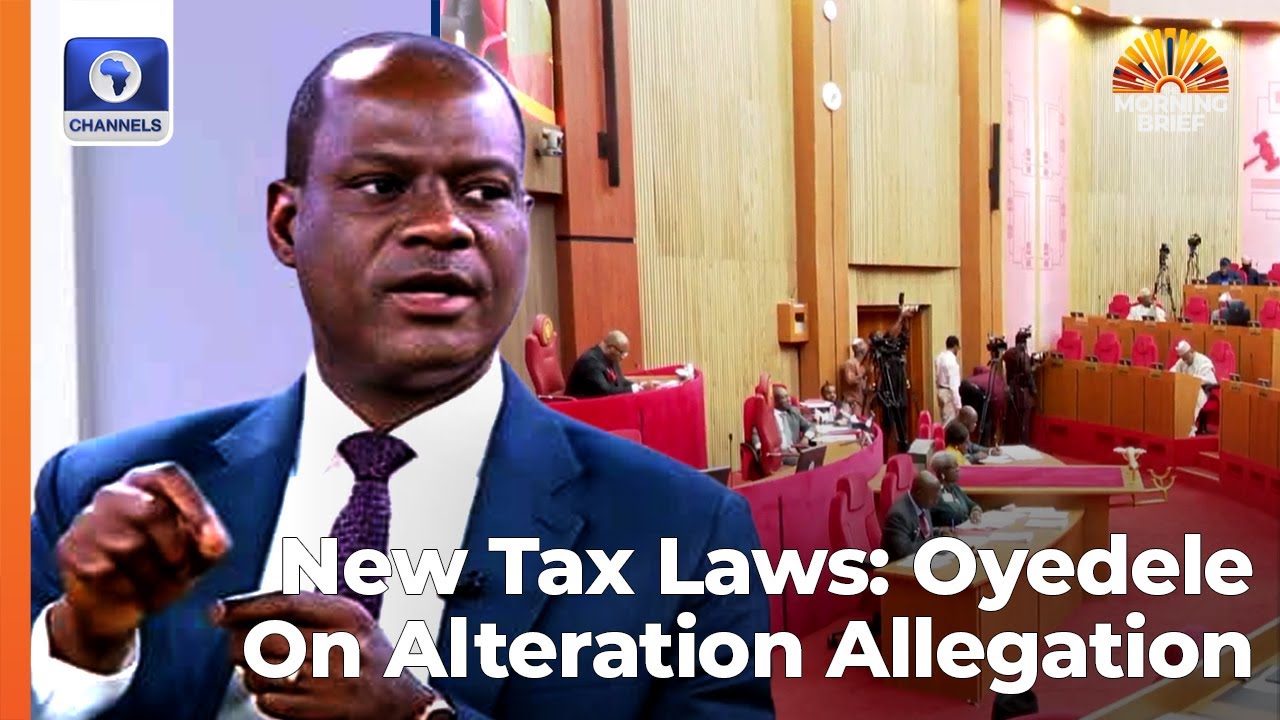
Speaking in a recent interview on Channels Television, Oyedele made it clear that Nigerians’ bank accounts are safe — with or without narration. He dismissed claims that tax authorities monitor bank transfers or use transaction descriptions to impose taxes, describing such reports as misinformation.
“The raging insinuation that bank transaction narrations could be used to impose taxes has been described as a baseless misinformation,” he said.
Oyedele stressed that there is no system in place for automatic deductions from personal bank accounts and that tax authorities do not track individual transfers for that purpose. He explained that governments simply do not have the capacity to pursue every single citizen and instead focus on areas that generate the highest revenue.
“With limited capacity, you go after the highest yield. Where can I get one billionaire or ₦100 million?” he said.
He also pointed to data showing that most Nigerians are not even within the income bracket being targeted by the reforms. According to him, about 98 per cent of bank account holders in Nigeria do not have up to ₦500,000 in their accounts, yet many of them have been the loudest voices expressing concern.
Oyedele suggested that some of this panic has been driven by high-income earners who are resistant to paying taxes. He alleged that certain wealthy individuals and content creators earning as much as $10,000 monthly have promoted fear online to push back against the reforms.
“They won’t say they don’t want to pay tax. Instead, they say the government will debit your ₦5,000 so you can help them fight the reform,” he said.
Addressing the issue of narration directly, Oyedele was emphatic: the amount transferred — whether ₦1,000 or ₦1 billion — and whatever description accompanies it does not trigger taxation and will not lead to deductions.
He explained that Nigeria operates a self-declaration tax system, where individuals are expected to declare their income at the end of the year and assess their own tax obligations.
“You know what is your income and what is not. You tell the government, this is my income, and this is the tax,” he said.
He added that even those who are legally exempt from paying tax are still required to file returns, stating their exemption, noting that the ongoing reforms are focused on making the process simpler and more accessible.
In closing, Oyedele said the aim of the tax reforms is to protect vulnerable Nigerians while creating a more progressive system.