Features
Welcome to The Digital Age of Fear and Uncertainty

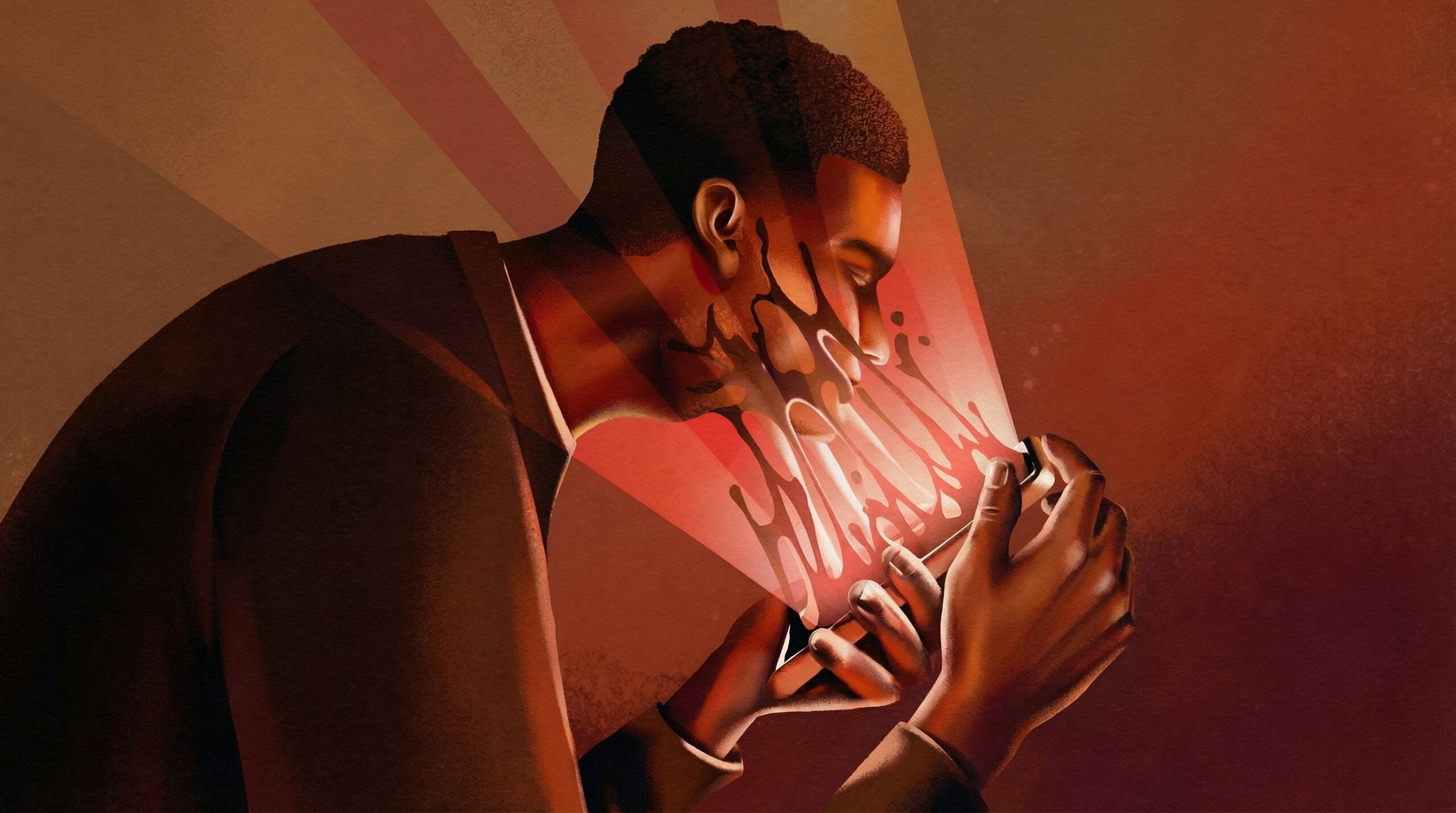
I can’t remember when I started using social media, but I can remember that I was influenced by secondary school friends. They narrated online engagements in exaggerated forms so much that it felt like I was missing out on one of the greatest discoveries of the century. I did not have a smartphone at the time, but immediately after I owned one, Facebook was one of the platforms (or the only platform I knew then, really) that I signed up for. The early fascinations were likes and comments on photos, sharing thoughts with people and connecting with distant friends.
It was simple and easy because, I believe, there was no competition or curations as there are now. People really shared anything they found interesting. A photo of where they are eating a banana; a photo of a man climbing a tree; the first time they rode a bike; something new they just bought or found interesting. It was, at its very best, a playground where anything could be shared. However, the advancement of digital technology has reshaped this. Social media shifted from being a personal page to a professional pitch deck or portfolio. When applying for opportunities, social media pages are also requested as part of the application package. You wonder why.
What this has done is influence how people use the platforms. Social media is no longer fun. People stopped posting less of themselves or things they find interesting. Even those who post content or videos do so with the intention of boosting the page for a potential future turnover. With the invention of artificial intelligence (AI), algorithms began to study our pauses and what once felt like a digital playground slowly became a curated environment.
On a longer stretch, this is not the only reason people stopped sharing on social media. From being a social playground to a portfolio, social media became threatening to people’s safety. Previously, people used to share details about themselves without fear of being judged or monitored. Kidnapping is a national crisis in Nigeria, and kidnappers have been reported to use social media like everyone else. They monitor people who share their wins.
What does this mean? It means that we can’t simply live anymore. Any route leads to a trap. A lot of people love sharing their wins; when they bought their first car, their first million dollars, their first high-paying job, or their marriage. And some people use their social media to express what they feel at the moment. When you respond to a tweet that asks, “How did you make your first million?”, you become a target. A screenshot of your profile is kept. You lament about the weather or electricity in your state; they use that to narrow down your location. When you tweet about how good or bad living alone has been for you, it makes it easier to note that you live alone.
Now, these things, the bare little things that we enjoyed sharing, have become difficult to enjoy because you don’t know who is bookmarking your tweet to trace you down and abduct you. With AI, a tool that can deep-seek into documents and materials, it became easy for people to trace through social platforms and get details about you.
Beyond deep-seeking, AI has also been abused and used to molest people, women especially. On Twitter, now known as X, users have used the platform’s AI tool, Grok, to “undress” and “turn” women around. A tool built to enhance user experience and communication was repurposed for harassment, humiliation and exploitation.
There is also a growing recognition that constant exposure to curated online lives can contribute to anxiety, loneliness and depression. The endless comparison of achievements, relationships, wealth and happiness creates the illusion that everyone else is living a fuller life somewhere else. But social media has always been a highlight reel, not a complete story. You have to remember that a meaningful life does not need constant documentation, at least on social media. The important moments that we have often happen away from timelines and comment sections. They exist anyway, whether or not they are posted.
How do we use social media moving forward? It will continue to evolve. New platforms will emerge, technologies like artificial intelligence will grow more powerful, and the digital landscape will keep reshaping how people communicate. But we can control how much power we allow these systems to have over our sense of self. We need to learn how to live well offline while using the internet on our own terms.
What are your thoughts?