Features
BN Prose: Feelings Are Silly Old Things by Toyosi Onikosi

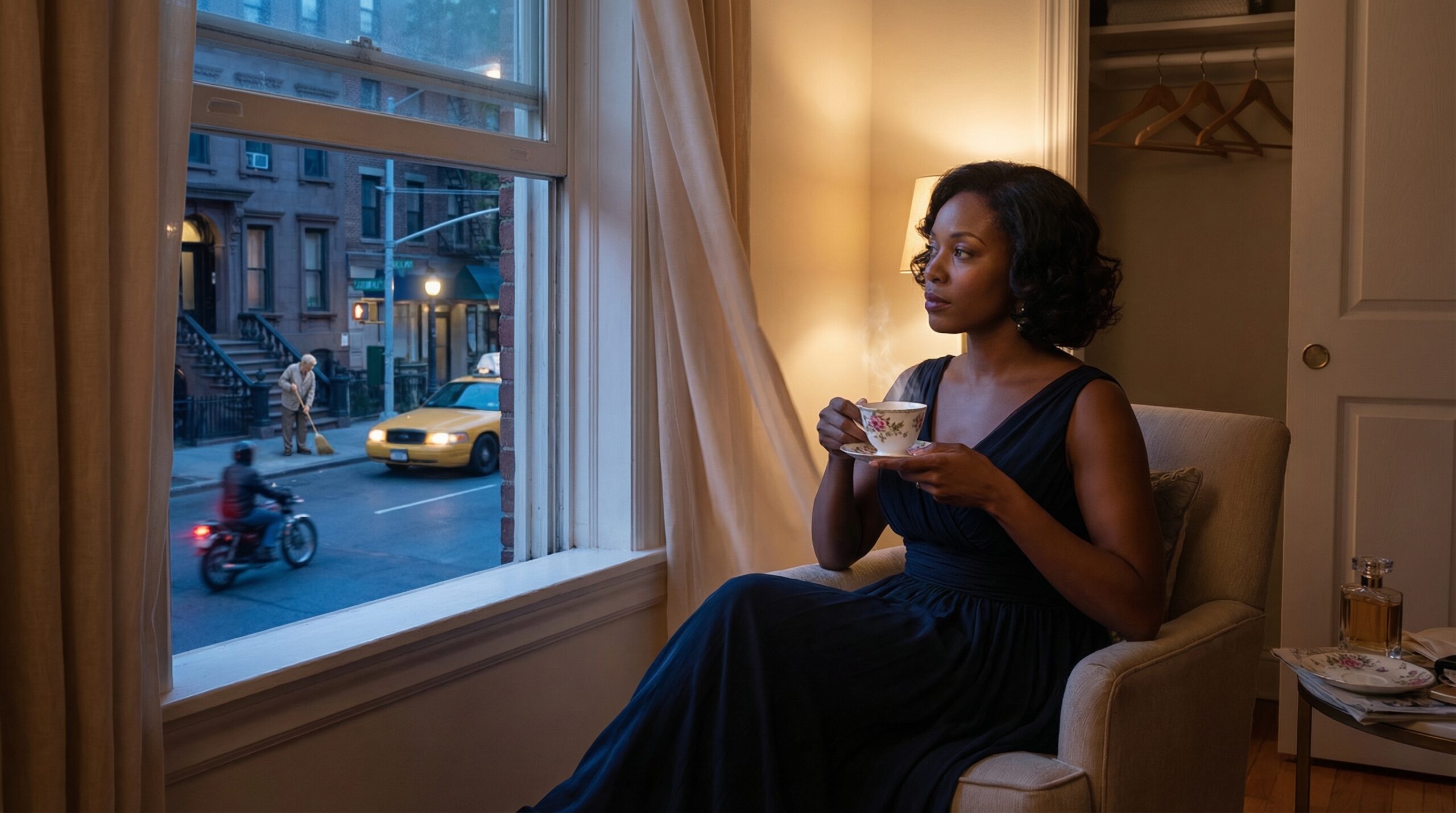
Yara sat by the window, watching the city’s gold light fade into the blue of evening. She was waiting for a message, a sign, a feeling—anything that would tell her happiness was finally coming. She had been waiting for years, really. She waited through the ache of loneliness, the sharp sting of envy, the soft comfort of hope. Each feeling, she thought, was a kind of weather. Sometimes it rained for days. Sometimes it was just grey, not stormy, not sunny, just there, sitting over her like a low ceiling.
She remembered being a child, running barefoot across the courtyard, laughing for no reason at all. The tiles were hot, and her mother shouted at her to come inside, but she kept running anyway. Back then, happiness was like a bird that landed on her shoulder without invitation. It stayed as long as it liked, and she never worried it might fly away. Now, she waited for it like a bus that never arrived on time. She sat on the metaphorical bench, watching other people get on, watching their lives move forward while she stayed where she was.
Her friends told her, “You just have to be patient. Good things come.”
They said it over coffee, over voice notes sent at 2 a.m., over rushed calls between meetings. She believed them, until she didn’t. The days stacked up like old newspapers, each one promising tomorrow would be different. But tomorrow always looked a lot like today. Same room, same window, same street, same ache hiding under a fresh layer of distraction.
Some mornings she woke up feeling lighter and thought, “Maybe this is it.” Maybe this is the beginning of the part where my life changes. By lunchtime, the feeling had sunk somewhere behind her ribs, and the rest of the day went on as usual. She would scroll through pictures of other people’s lives—weddings, trips, promotions—and tell herself she was happy for them. Most of the time, she was. Some of the time, she wasn’t. She learned how to smile with only half her face.
Yara watched the old woman across the street sweep her steps, slow and careful. The woman did this every evening, as if the dust personally offended her. Yara had watched her so often that she knew the order: left side first, then the middle, then a pause to lean on the broom and catch her breath. She wondered if the woman was happy, or if she was just busy enough not to notice the waiting. Maybe the trick was to keep your hands moving so your mind doesn’t ask too many questions.
Yara realised she’d been saving her best dress, her favourite perfume, her laughter for a day when she felt worthy, when happiness finally knocked. The dress still had the tag on it, hanging in the back of her wardrobe like a promise she hadn’t cashed in yet. The perfume bottle was almost full. Her laughter, when it came, was quiet, careful, as if she might need to ration it.
She stood up and opened the window. The air smelled of dust and car horns. A motorbike shot past, music leaking from its speakers, a love song she half-recognised. She began to hear voices: a child crying, a man laughing too loudly, a dog barking at nothing. The city did what it always did—moved, shouted, breathed—whether she felt anything or not.
She thought about all the feelings she’d catalogued: joy, fear, longing, regret. Joy came in small flashes, like a match being struck in the dark. Fear stayed longer; it knew the way around her body by now. Longing sat patiently in her chest, elbows on the table, always ready to talk. Regret liked late nights and quiet rooms. Each one had demanded her attention, convinced her it was important, urgent, real. Each one had told her, “Listen to me. I’m the truth.” But now, in the quiet, she realised they were just passing clouds.
She had built so many decisions around these clouds. Days she stayed home because she didn’t feel like it. Messages she never sent because she didn’t feel brave enough. Opportunities she watched drift past because she was not ready yet. Feelings had talked her out of so much life. They arrived uninvited, rearranged the furniture in her head, and then left her to clean up.
*
Yara put on her best dress. The fabric felt strange against her skin, like it belonged to someone more confident. For a second, she almost took it off again, almost folded it back onto its hanger for another time. But that would be the same old trick. Wait until you feel different. Wait until you feel worthy.
Wait.
She was tired of that word. She poured herself a cup of tea. The kettle whistled, sharp and ordinary. She chose the nice cup she always saved for guests, then remembered she was here too, sitting in her own life like it was a waiting room. The tea burned her tongue a little, bringing her back into her body. For once, she didn’t apologise to herself for the small pain.
She sat by the window. The streetlights blinked on, one by one. A taxi stopped, someone got out, someone else got in. The old woman finally finished sweeping and disappeared into her building, closing the door with a soft, final click.
She thought, feelings are silly old things—the only things that live entirely with us, always tricking us into thinking we have forever. They always said, “Not today. Later. Tomorrow. Next month. Next year, when you’re better, when you’re stronger, when everything makes sense.” They made her believe there would always be more time to start, to try, to wear the dress, to laugh loudly, to live. But we don’t have forever. The only time we have is now, and it is already slipping through our fingers.
So she laughed, quietly at first, then louder, startling even herself. The sound didn’t fix anything. It didn’t erase the years of waiting or the fear that she might fall back into old habits tomorrow. But it cut through the heaviness for a second, like light through a thin curtain.
She wasn’t happy, not exactly. She still felt the familiar weight of longing, the soft buzz of worry somewhere at the back of her mind. Nothing magical had happened. No sudden message. No sign from the universe. The city outside remained the same mix of noise and light and strangers with their own private storms.
But she was alive, in her best dress, with the night air and hot tea in her hands, sitting in the middle of her own life instead of watching it from the hallway. And, for now, maybe that was okay.