Features
Karamot Akinyera: Has Inflation Made Healthy Eating Expensive and Difficult? Here’s What You Can Do

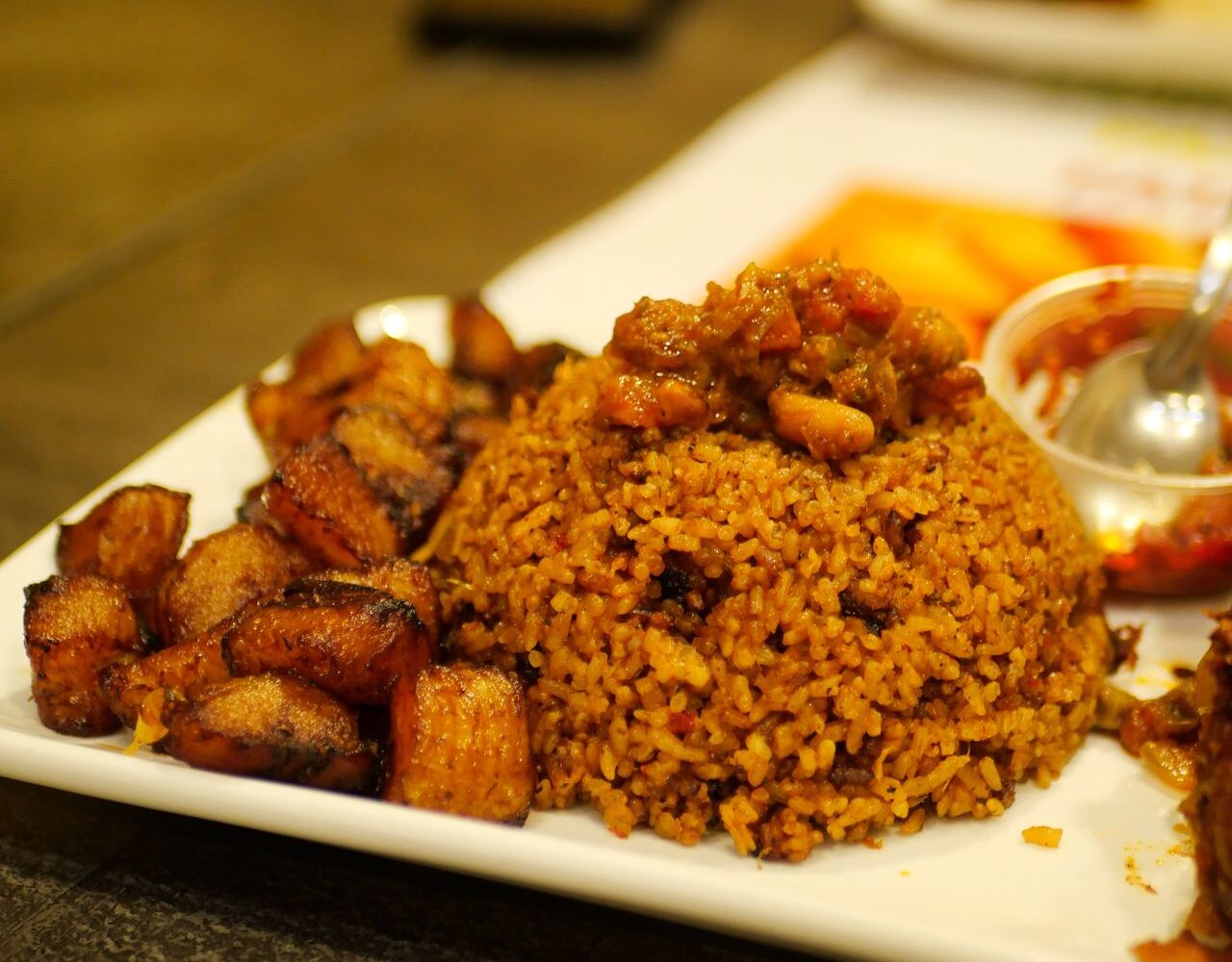
Close-up of Jollof rice with fried plantains and sauce on a plate, perfect for food enthusiasts. Studio Saiz/Pexels.
As I think back to my days as a student, I remember standing in the market with a limited budget, trying to decide what I could afford without compromising my health. At the time, as a single person, I thought feeding myself was difficult. Now imagine having to feed a family today.
The reality is that food inflation has changed the way many Nigerians eat. Even middle-income families now think twice before buying meat, fish or eggs. Foods that were once regular items on the shopping list are gradually becoming occasional purchases. I watch mothers in the market trying to reduce the price of tomatoes, pepper and other ingredients by every possible naira.
As a Registered Nutritionist, I understand this reality because I have experienced a part of it myself. Healthy eating has become more difficult than it used to be, and pretending otherwise would only make people feel guilty about circumstances beyond their control.
But while healthy eating has become more challenging, it has not become impossible. The problem is not only the rising cost of food. It is also the belief that healthy eating is only for wealthy families. That belief is where we need to start the conversation.
Healthy Doesn’t Have to Mean Expensive
Unconsciously, many of us began to measure the quality of our meals by how much they cost. We started believing that a healthy plate must contain expensive fish, turkey, imported foods or foods that many families cannot afford. The truth is, nutrition does not work that way. A food is not nutritious because it is expensive. It is nutritious because of the nutrients it contains.
Yes, food inflation is real. Yes, feeding a family today is much harder than it was a few years ago. But healthy eating is not about filling our plates with the most expensive foods in the market. It is about making informed choices with the foods that are available to us and preparing them in ways that give our bodies the nutrients they need.
Nigeria is blessed with many nutritious local foods that we often overlook simply because they are affordable or because we have come to see them as foods for low-income households. Many of our healthiest foods are not the ones we display on the dining table. They are the foods we often overlook because they are affordable, common or seen as foods for low-income households. Meanwhile, many of those foods have nourished Nigerians for generations, long before healthy eating became associated with imported foods and expensive supermarket shelves.
Herring Fish (Shawa or Sabonde)
If there is one fish that deserves more respect, it is herring. Many people walk past it either because they are saving for titus, kote, croaker or another more expensive fish. However, according to the USDA Food Data Central, herring is an excellent source of high-quality protein. It also provides vitamin D and omega-3 fatty acids, nutrients that support healthy bones, brain function and heart health. Good nutrition is not always found in the most expensive fish.
Panla, Palamu and Agbodo
Panla, whether fresh or smoked, together with dried fish like palamu and agbodo, are common sights in many Nigerian kitchens. They are excellent sources of protein and can help families meet their protein needs without spending as much as they would on more expensive fish varieties. They also add flavour to soups and stews while contributing important nutrients to our meals.
Crayfish and Periwinkle
Many of us think of crayfish as nothing more than a seasoning, but it contributes protein, calcium and other important minerals to our meals. Periwinkle may be small, but it is another nutritious seafood that provides protein together with minerals such as iron, zinc and calcium. These foods remind us that nourishing meals do not always have to come with a high price tag.
Wara (Tofu)
Many people see wara as just another roadside snack, but it is much more than that. Made from soybeans, wara is a good source of plant protein and can serve as an affordable alternative on days when meat or fish is beyond the family’s budget. According to the USDA Food Data Central, wara also provides calcium and several other nutrients that support good health.
Eggs
Eggs remain one of the most affordable nutrient-dense foods available. They provide high-quality protein together with vitamins and minerals that support growth, muscle repair and overall health. One egg may seem simple, but it can make a big nutritional difference, especially when paired with foods like bread or boiled yam.
Beans, Moi-Moi and Gbegiri
Beans remain one of the most affordable and nutritious foods available to many Nigerian families. Whether it is cooked beans, moi-moi or gbegiri, it provides protein, dietary fibre, iron, folate and several other nutrients that support good health. According to the USDA Food Data Central, beans are naturally rich in nutrients that make them a valuable part of a healthy diet.
Today, social media has made many of us believe that moi-moi has to be loaded with corned beef, sardines, liver, prawns and several expensive ingredients before it can be considered proper moi-moi. That is far from the truth. A simple moi-moi prepared with fish and crayfish, or even eggs and crayfish, can still be nutritious and satisfying. The goal is nourishment, not extravagance.
Locust Beans (Iru) and Ogiri
For many Nigerians, locust beans and ogiri are simply ingredients that add aroma and flavour to our soups. We rarely stop to think about the nutritional value they bring to our meals.
Locust beans, popularly known as iru, are made by fermenting the seeds of the African locust bean tree. They contribute protein, dietary fibre, beneficial amino acids and important minerals to our meals. Fermentation also improves the digestibility of the nutrients they contain, making them easier for the body to use.
Ogiri, another traditional fermented condiment commonly made from melon seeds and other oil-rich seeds, also deserves more recognition. Beyond its distinctive flavour, studies have shown that fermentation improves the availability of nutrients and contributes beneficial compounds that support the nutritional quality of our diets.
These traditional condiments may be used in small quantities, but they remind us that healthy eating is not only about the foods we see on our plates. Sometimes, even the ingredients we use to prepare our meals play an important role in nourishing our bodies.
Our Local Soups/Vegetables
Our soups deserve just as much recognition as the foods we put inside them. Egusi, efo riro, oha and banga soups can all be nutritious meals when prepared with plenty of vegetables and moderate amounts of healthy protein sources. They do not have to be loaded with expensive meat before they become healthy. Panla, herring, crayfish, palamu, agbodo, eggs or wara can all contribute to nourishing and satisfying soups without stretching the family budget.
Ugwu, waterleaf (gbure), ewedu, iyana’paja, okra, uziza leaves, amunututu and other indigenous vegetables provide vitamins, minerals, dietary fibre and beneficial plant compounds that support good health. According to the World Health Organisation, eating a variety of vegetables is an important part of a healthy diet. We do not always have to buy expensive canned vegetables when fresh ones are readily available. Even the fresh vegetables sold by the mallams who sell fried rice ingredients can be an affordable way to add cabbage, carrots, green beans and spring onions to our meals. A few slices of cabbage alongside rice, stew and fish can go a long way. We do not have to eat the whole cabbage in one sitting. Small additions like these can make our meals more balanced.
Our Swallows
Swallow is not the enemy. The problem is often the quantity we eat and what we pair it with. Eba, amala, lafun, plantain flour and other traditional swallows can all be part of a healthy diet when eaten in moderate portions and paired with vegetable-rich soups and nutritious protein sources. Rather than avoiding swallow completely, we should focus on building a balanced plate that gives us energy, nourishment and satisfaction.
Perhaps it is time we stopped measuring the quality of our meals by how much they cost and started measuring them by how well they nourish us.
How We Cook Matters Too
Choosing nutritious foods is important, but how we prepare them matters just as much. Some vitamins are easily lost when foods are overcooked or exposed to excessive heat. That is why our vegetables should not spend unnecessary time on the fire. Adding leafy vegetables towards the end of cooking helps them retain more of their colour, texture and nutrients. The same goes for avoiding unnecessary reheating and using cooking methods that preserve the natural goodness of our foods.
But while food inflation has made healthy eating more difficult, it has not made it impossible. Healthy eating is not measured by how expensive our groceries are or by how many trendy foods we can afford to buy. It is measured by the choices we make with the foods available to us, how we combine them and how we prepare them. Our local markets are still filled with foods that nourish us. They may not always be the most expensive or the most talked about on social media, but they have fed generations of Nigerians and continue to do so today.