
Culture
The Argungu Fishing Festival Is Back and Here Are 5 Things to Know Ahead of February
The Argungu Fishing Festival began in 1934 and was introduced as a peace initiative after years of hostility between the Sokoto Caliphate region and the Kebbi Kingdom.

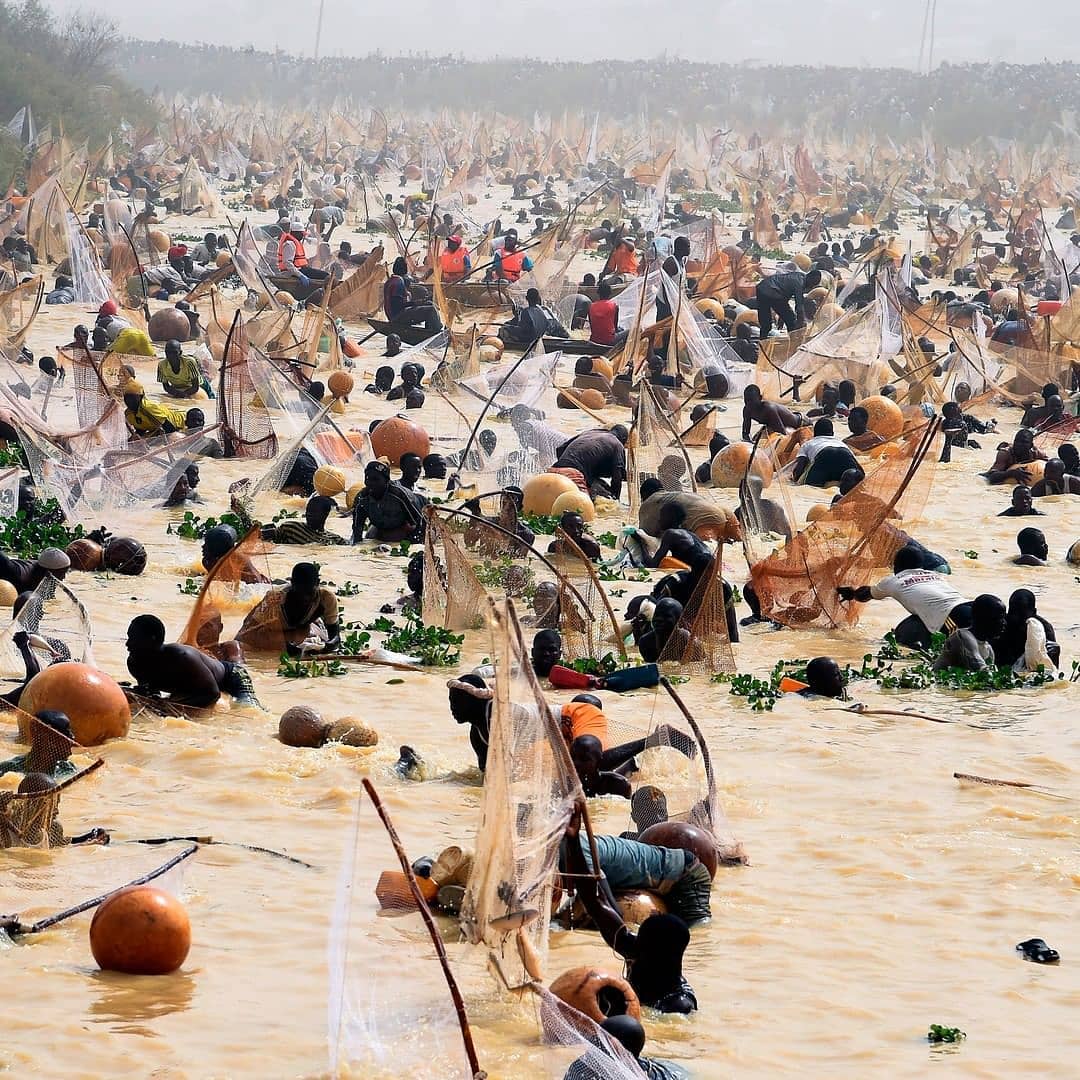
It has been five years since the Argungu Fishing Festival last held in 2020, and its upcoming return is already drawing attention. Scheduled to take place from February 11 to 14 in Kebbi State, the festival brings back a cultural gathering that has long been tied to tradition, community, and everyday life in Argungu.
As preparations continue ahead of this year’s edition, here are a few important things to know about the Argungu Fishing Festival and why it remains one of Nigeria’s most fascinating cultural events.
The festival and what it represents
The Argungu Fishing Festival began in 1934 and was introduced as a peace initiative after years of hostility between the Sokoto Caliphate region and the Kebbi Kingdom. Over time, the festival grew into a major cultural gathering associated with unity and shared history. Long after the conflict ended, it has continued to hold cultural significance for the people of Argungu and Kebbi State.
Why the festival takes place in February
When it is held, the Argungu Fishing Festival usually takes place in February, a period that aligns with the end of the farming season and the beginning of the fishing season. This timing reflects the lifestyle of the people of the area, where farming and fishing play an important role. The festival also helps preserve traditions connected to the river and its use.
The River Sacrifice
Before the fishing competition begins, a traditional ritual is performed to seek permission from the river. This responsibility lies with the Sarkin Ruwa, who carries out sacrifices ahead of the festival. Until this process is completed, fishing in the Mata Fadan River is not allowed, as the ritual signals that the river is ready for the competition.
Sarkin Ruwa and his role
The Sarkin Ruwa is the traditional custodian of the Mata Fadan River, a role passed down through generations. Beyond performing the river sacrifice, he is also responsible for ensuring the river is safe for participants. According to cultural belief, this includes keeping crocodiles away and calling fish from rivers connected to Mata Fadan ahead of the fishing contest.
Mata Fadan River and the fishing contest
The main event of the festival takes place at the Mata Fadan River, where thousands of fishermen gather for the competition. At the sound of a gunshot, they enter the water using fishing nets and traditional calabashes in search of the biggest catch. As the contest begins, traditional Kebbawa drummers fill the air with rhythm. Women do not take part in the fishing itself, but they play an active role as members of the drumming groups. The fisherman who catches the biggest fish is rewarded, with one of the largest recorded catches weighing up to seventy five kilograms.