
Promotions
Nigeria’s Creative Economy Is Booming: Its Infrastructure Isn’t Keeping Up- Meet the Hub Trying to Close the Gap


If you only followed the headlines, you’d think Nigeria’s creative industries had finally arrived – sold-out arenas, Netflix premieres, Grammy nods, global chart domination. And in many ways, they have. Afrobeats is a genuine export. Nollywood is a genuine export. Nigerian creativity, by any measure, has gone global.
But talk to the people actually building things – the producers, the filmmakers, the fashion designers, the young creative trying to make sense of a contract for the first time, and you’ll hear a quieter, more complicated story. It’s a story about power outages during recording sessions, about impossible budgets stretched past their limit, about talented people spending more time solving basic logistical problems than actually developing their craft.
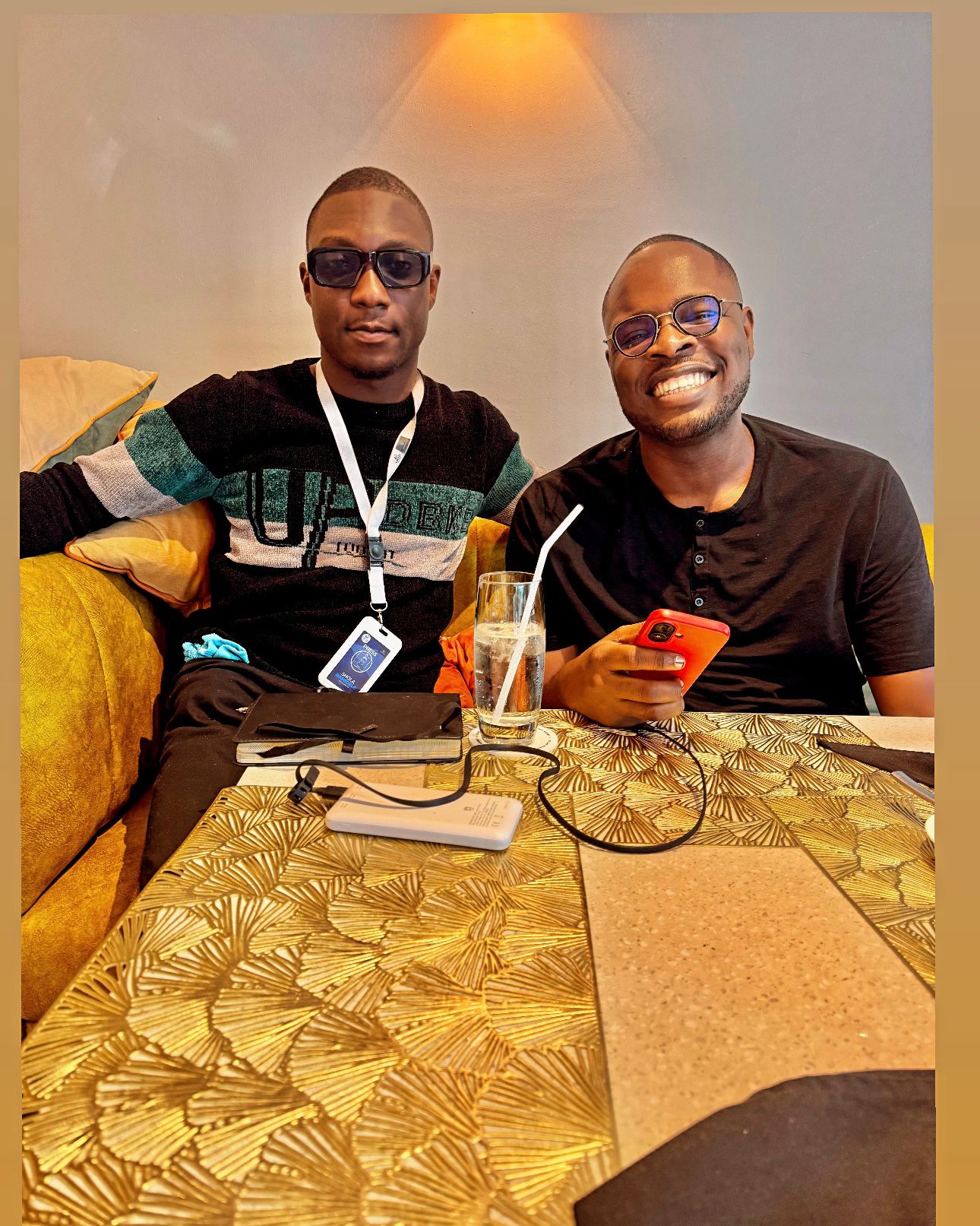
That gap, between the talent Nigeria clearly has and the systems meant to support it, is exactly what Shola Bamidele, founder of Loom Rooms, has built his work around.
Talent Was Never the Problem
Ask Bamidele what surprised him most since starting Loom Rooms, a creative hub based in Egbeda, in Lagos’s densely populated Alimosho area, and he won’t say it’s how much raw talent he’s encountered. He expected that. What caught his attention was how much of that talent gets spent fighting problems that, in a more developed creative economy, simply wouldn’t exist.
Musicians who make extraordinary records but don’t understand music publishing. Filmmakers with brilliant scripts who have no idea where development funding even lives. Designers building genuinely world-class brands with zero protection on their intellectual property. These, as Bamidele puts it, aren’t failures of creativity. They’re failures of access.
And access, in Nigeria’s creative scene, tends to travel through private networks rather than public knowledge. The funding, grants and training exists. But unless you happen to know the right person, you may never even hear about them.
Why Egbeda, of All Places
Loom Rooms could have opened in Lekki or Yaba, the usual creative postcodes. Instead, it opened in Egbeda, a deliberate choice. Bamidele has been vocal about rejecting the idea that creative excellence only happens in a handful of fashionable Lagos neighbourhoods. Some of the country’s most gifted creatives, he argues, live in communities exactly like Alimosho. Talent doesn’t have a postcode requirement. Opportunity shouldn’t either.
The hub’s philosophy is built around what happens when creatives share physical space — a producer bumping into a filmmaker, a fashion designer meeting the photographer who transforms their brand, a songwriter finally finding the producer they’ve been searching for. Those unplanned collisions, multiplied enough times, start to look like an ecosystem.
A prime example of this ecosystem in action is PopLandmark at Landmark Lagos, where Loom Rooms hosts The Future Concert in partnership with Zema Alte Management. Held every first Thursday of the month, the event serves as a concrete launchpad for the next generation of singers, talk show hosts, and podcasters.

Stars Are Not the Same as Institutions
One of the more pointed observations Bamidele makes is that Nigeria has become exceptional at producing individual stars, but far less consistent at producing institutions that outlast them. When a key person leaves, the structure they built often disappears with them. It’s an understandable pattern in an environment where survival comes first and twenty-year thinking feels like a luxury; but it’s also, in his view, the reason progress in the creative economy keeps resetting to zero with every new generation.
Loom Rooms is his answer to that pattern: not another co-working space with fast Wi-Fi and pretty desks, but a deliberate attempt to build the mentorship, structure, and long-term community that turns individual success into something that compounds.
Measuring Success Differently
Ask Bamidele how he measures Loom Rooms’ success, and occupancy rates aren’t the first thing he mentions. He’s more interested in what happens after people leave the building. Did someone find a business partner there? Did a collaboration turn into a company? Did a young creative finally feel confident enough to build something sustainable?
That’s a harder thing to put on a dashboard, but it’s arguably the more honest metric for what a creative hub is actually for.

An Infrastructure Story, Not Just a Talent Story
The broader point Bamidele keeps returning to is this: Nigeria doesn’t have a talent problem, and hasn’t for a long time. What it has is an infrastructure problem, a shortage of affordable workspaces, legal literacy, mentorship, funding pathways, and the professional networks that quietly decide whether someone builds a career or eventually gives up.
Loom Rooms is a bet that if you build even a small piece of that missing infrastructure, in a place like Egbeda, for people who’ve historically had to travel across the city just to feel like they belonged in a “creative space”, the results compound. Not overnight, and not through any single hit record or viral moment, but through the slow, unglamorous work of connecting people who should have met years ago.
It’s not the kind of story that trends on Twitter. But it might be the story that determines whether Nigeria’s next creative decade looks like its last one, or something considerably more sustainable.








Sponsored Content