Inspired
Nollywood Next Is Betting on a More Connected Black Film Industry
Nollywood Next, a new industry platform at TIFF: The Market in Toronto, will connect Black filmmakers, producers, distributors and financiers to explore film financing, co-production and global distribution.

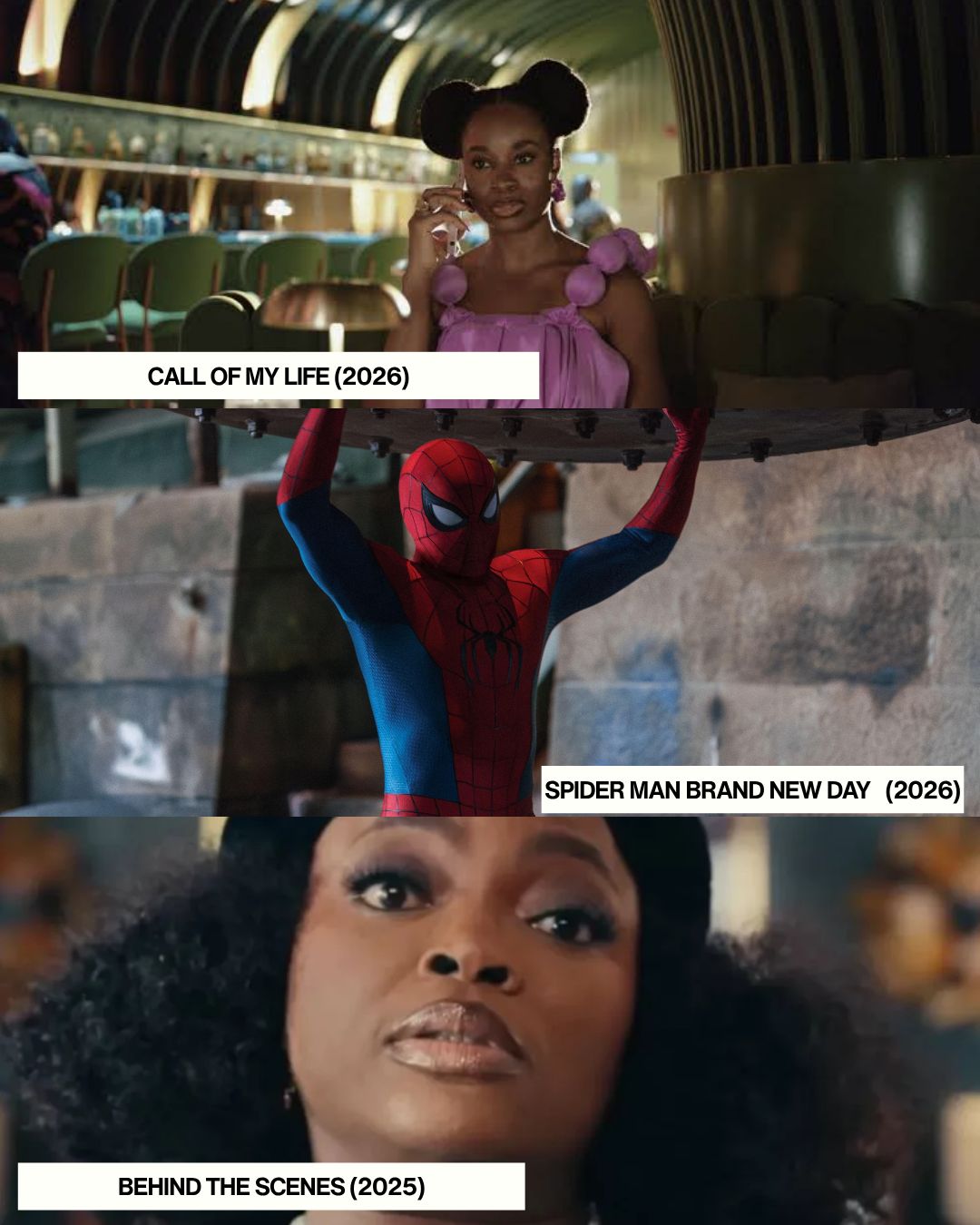
For years, the conversation around African cinema going “global” has tended to focus on the finish line: the streaming acquisition, the international premiere, the breakout title that suddenly seems to be everywhere.
But there is a whole lot of business that has to happen before that.
Who finances the film? Who owns the rights? How does a Nigerian producer find a co-production partner? When does a sales agent enter the picture? Does your film even need a sales agent?
Those are some of the questions behind Nollywood Next, a new industry platform piloting at TIFF: The Market in Toronto on September 14.
Co-presented by Nollywood Next and Nile Entertainment, with the support of TIFF: The Market, the inaugural programme takes place at the Global Africa Hub powered by CANEX Creations Inc. at the Metro Toronto Convention Centre. It brings together filmmakers, producers, distributors and financiers working across Nigeria, Canada, the UK and the wider Black diaspora.
The premise is fairly simple: Black creative talent is increasingly global. The infrastructure around it needs to catch up.
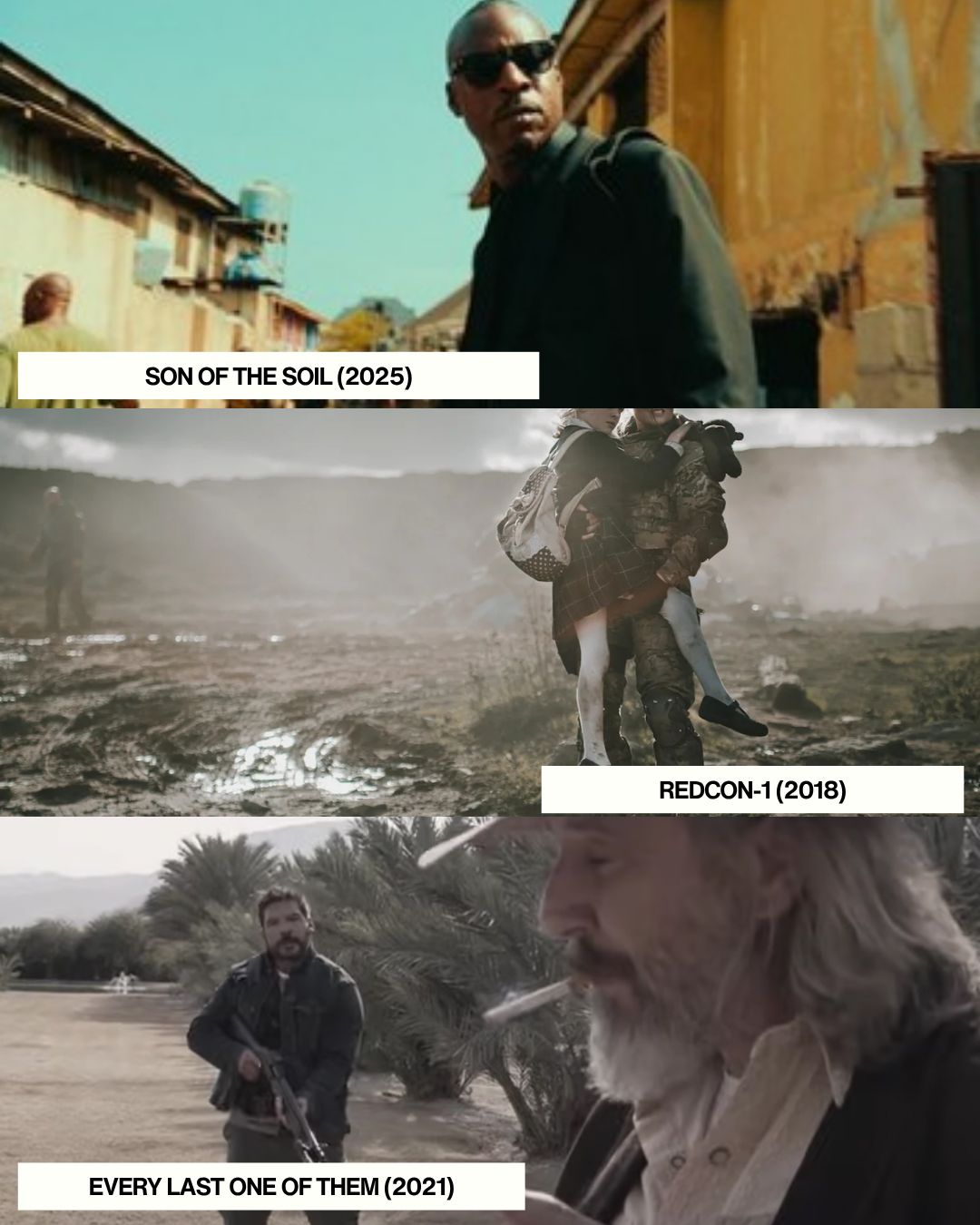
First, who’s buying the film?
The first conversation, “Securing the Bag: Sales & Distribution for Black Film & Television,” starts where plenty of conversations about filmmaking end: after the movie is finished.
Ladun Awobokun, Chief Content Officer at FilmOne Entertainment & Studios and Head of Content Acquisition at KAVA, joins Moses Babatope, CEO of Nile Media Entertainment Group; filmmaker and distributor Chee Keong Cheung, CEO of Action Xtreme and Head of Distribution at Sovereign; and Damola Layonu, founder of Snag Productions.
Together, they’ll get into the less glamorous, but rather important questions: What makes a film sellable? What are its rights worth? How do distributors decide what to acquire? And how does a film find audiences beyond the market where it was made?
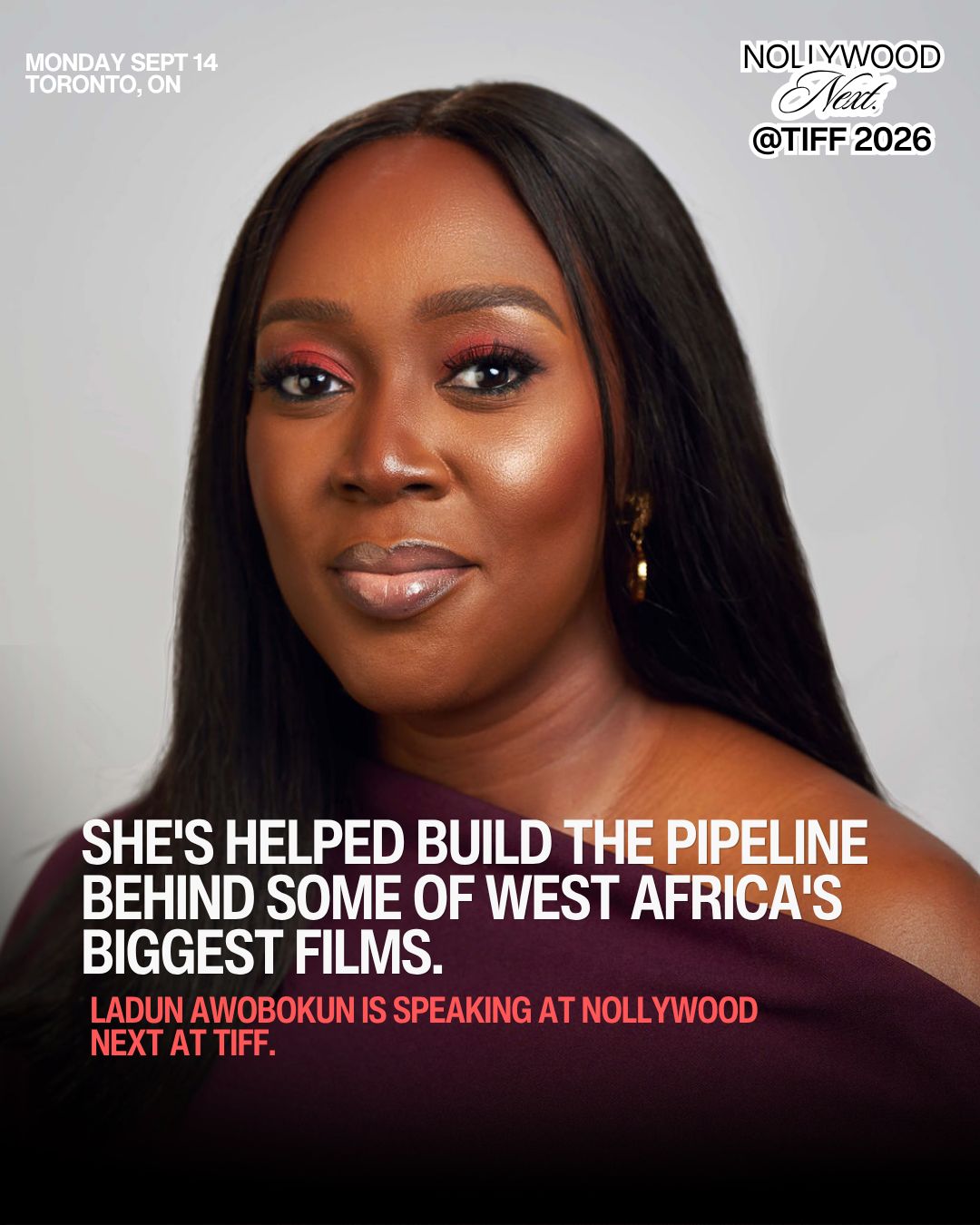
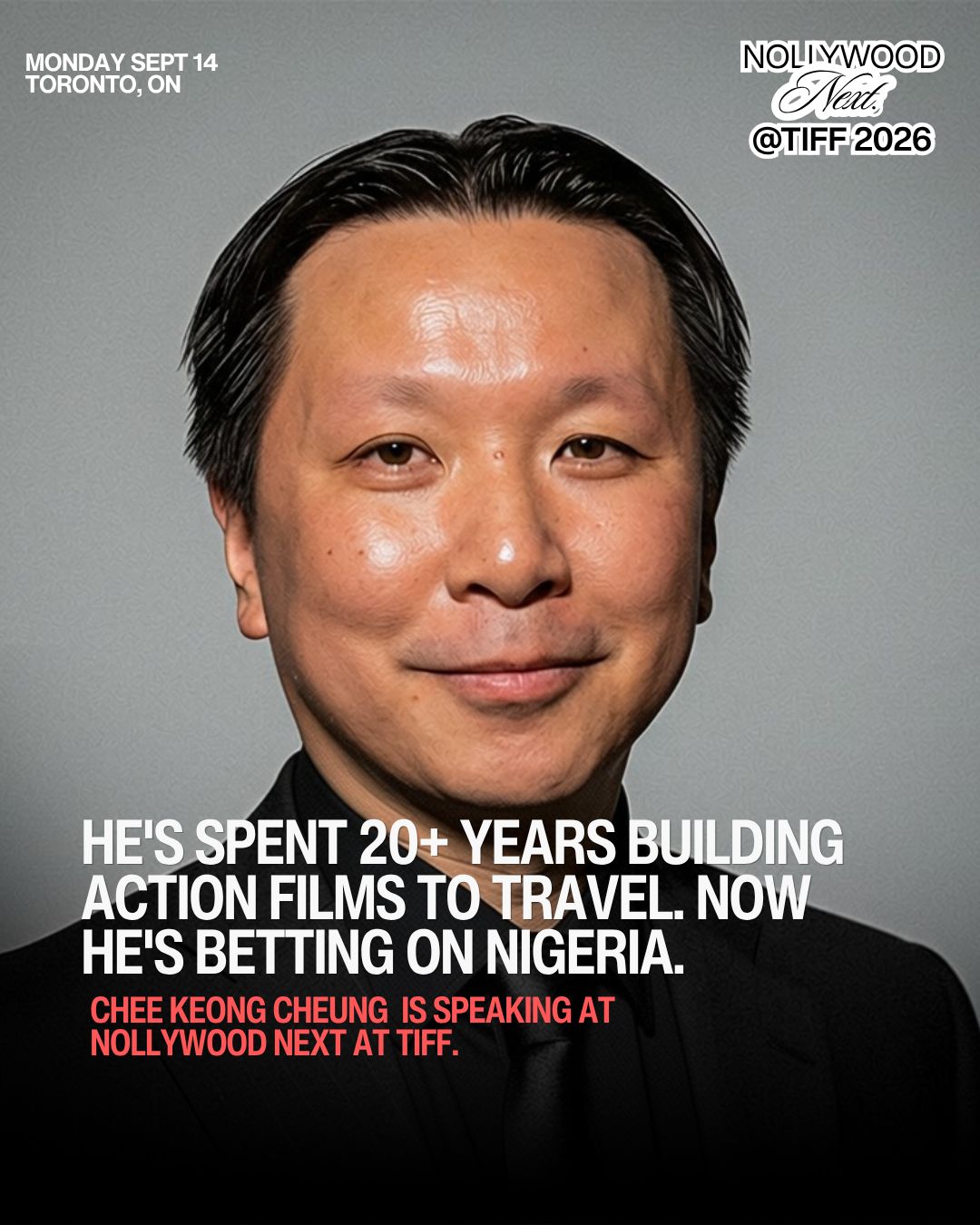
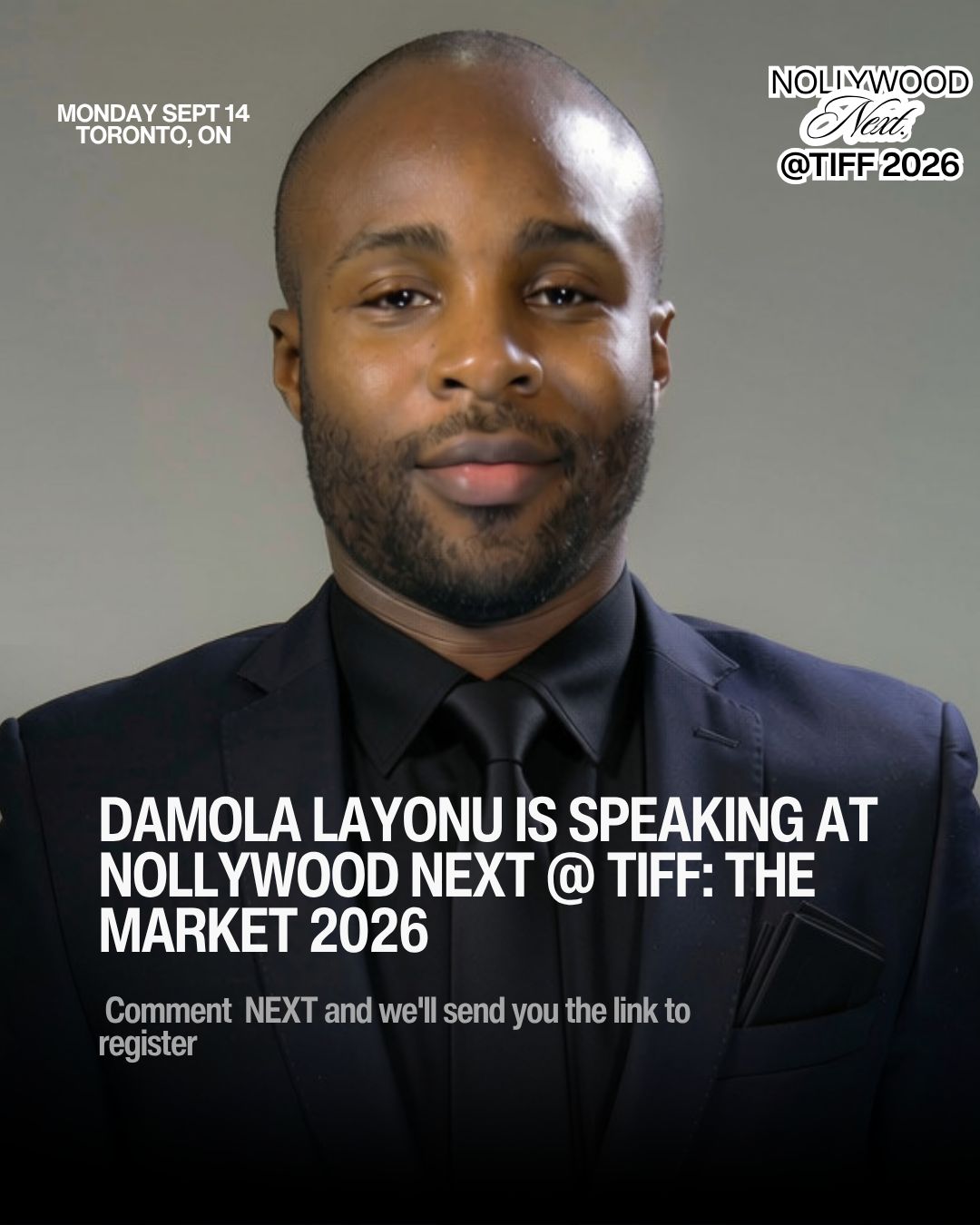
It is also a conversation about a Nollywood business that is changing. Nigerian films are increasingly being asked to have commercial lives across multiple territories and windows, from local cinemas and African streaming platforms to diaspora theatrical releases and international sales.
Then there’s the money
International co-production sounds great in a press release. In practice, there are treaties, tax incentives, equity investors, cultural requirements, distribution agreements and approximately a million decisions about who is paying for what.
“Crossing Borders, Building Bridges” is intended to make some of that less mysterious.
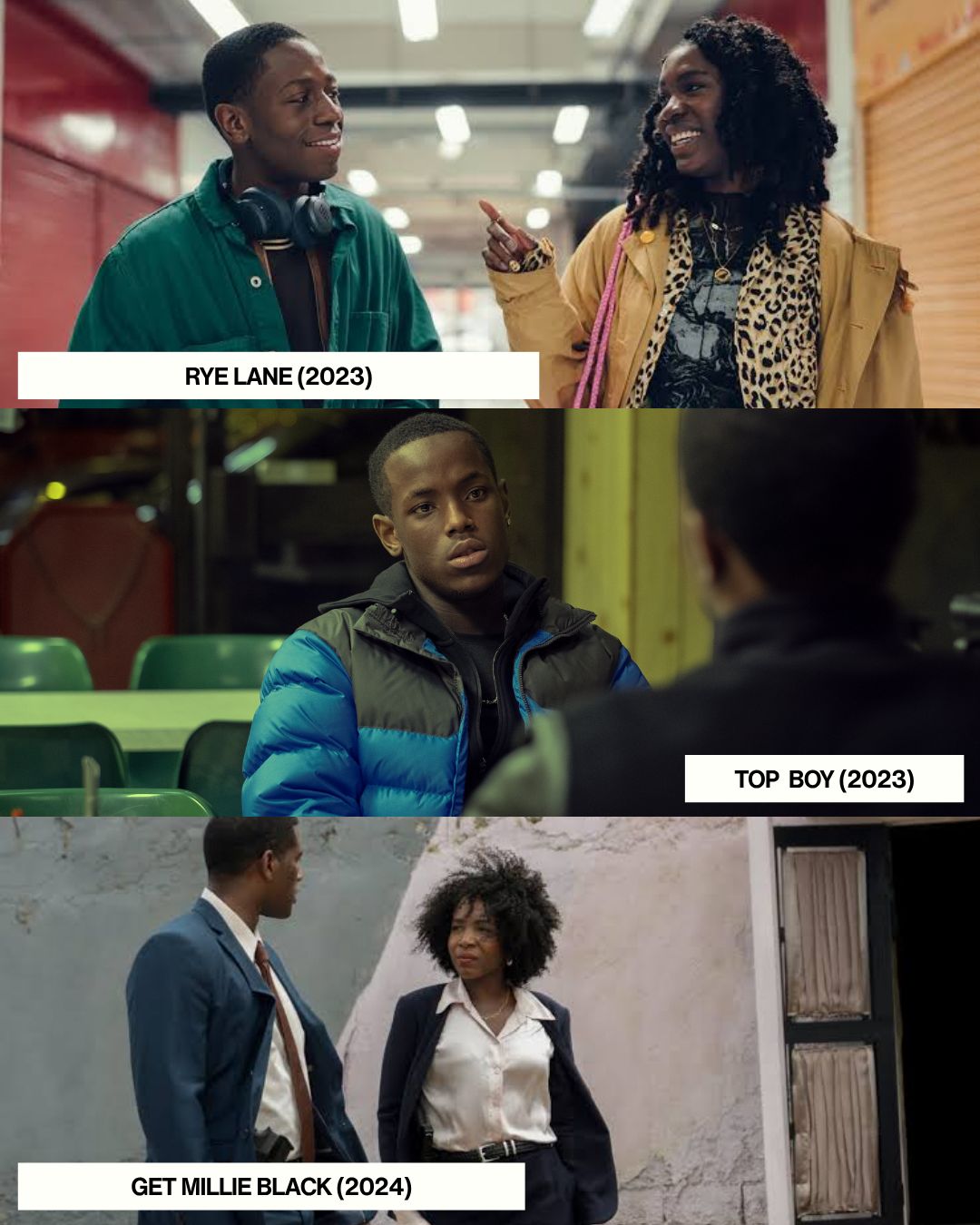
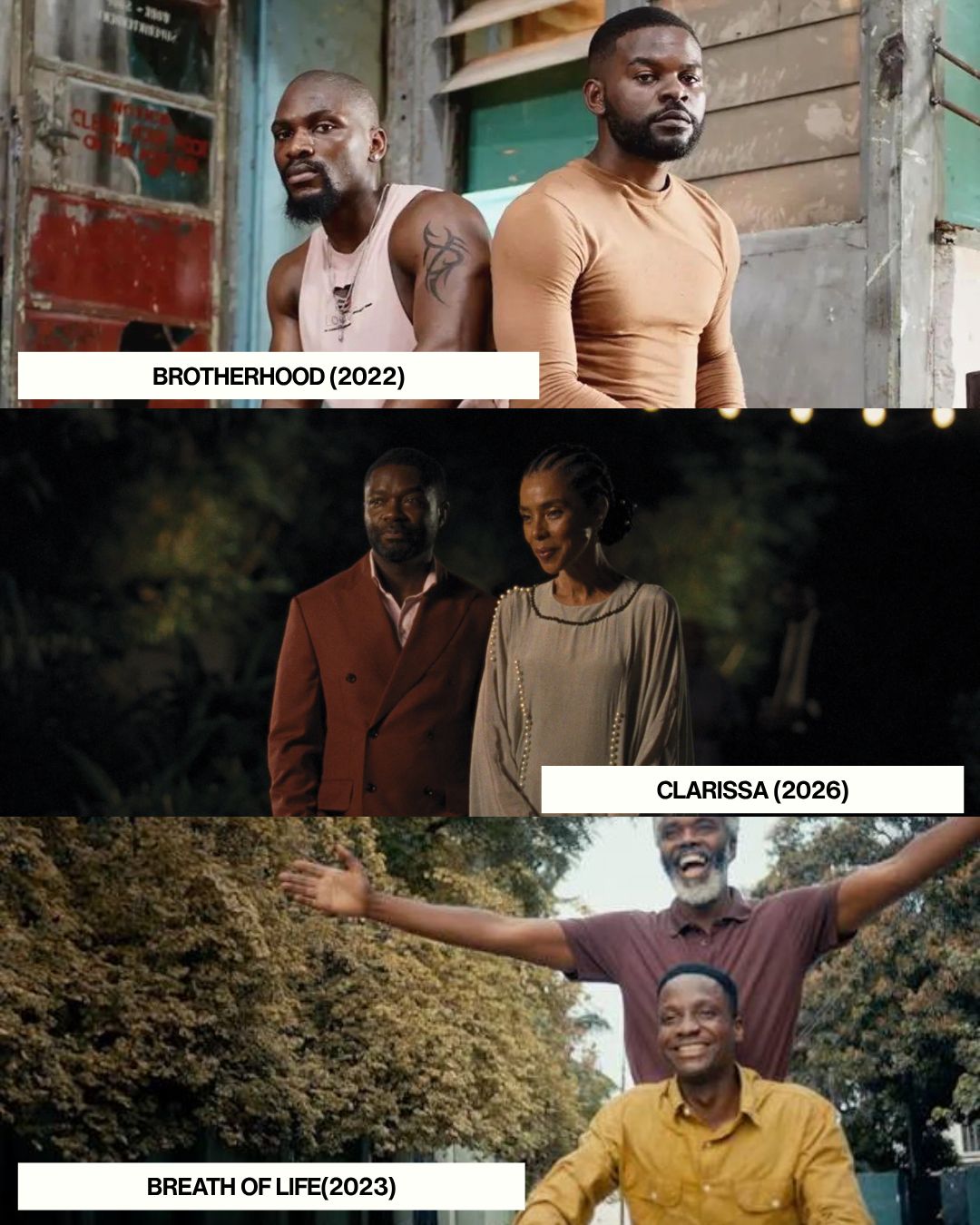
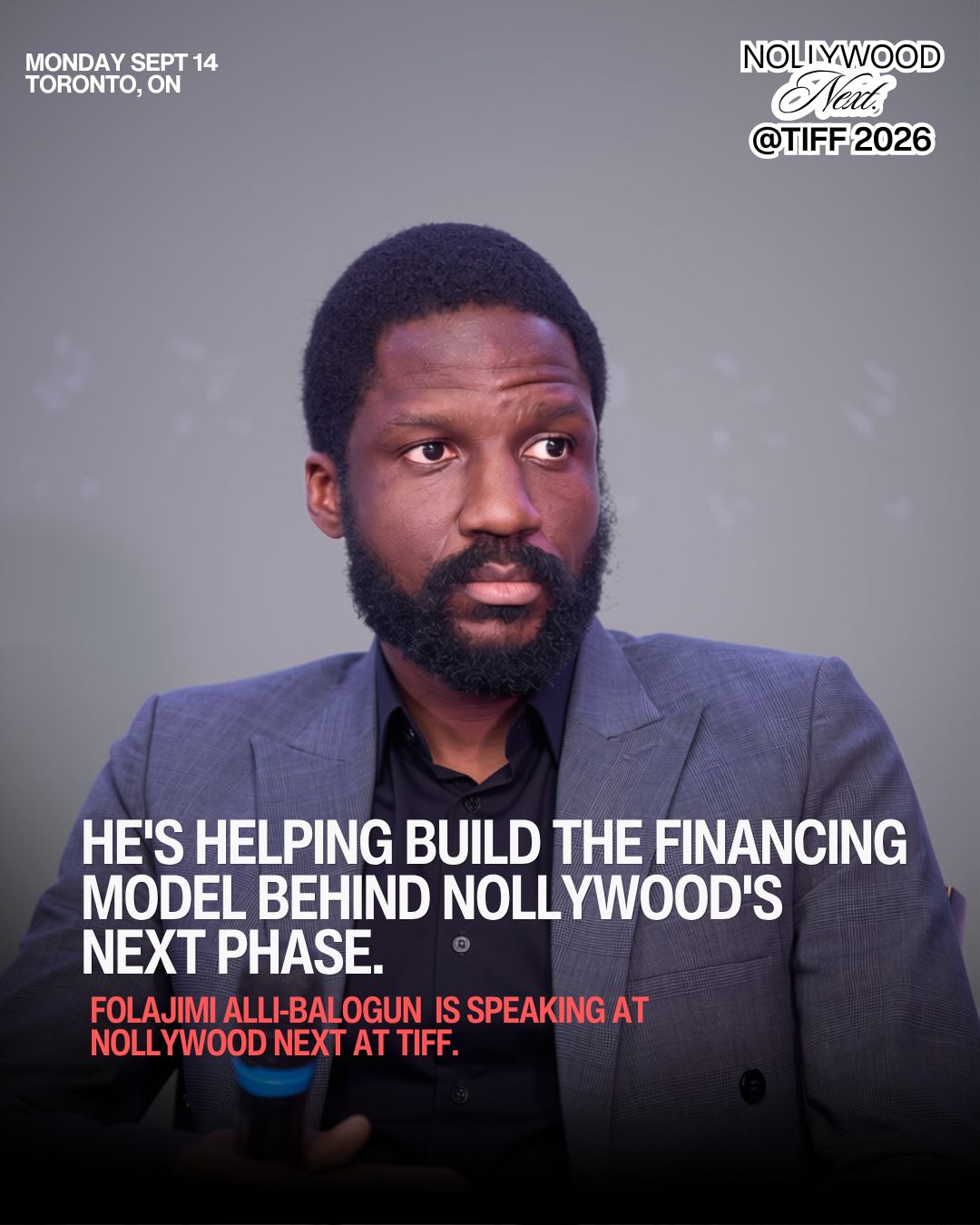
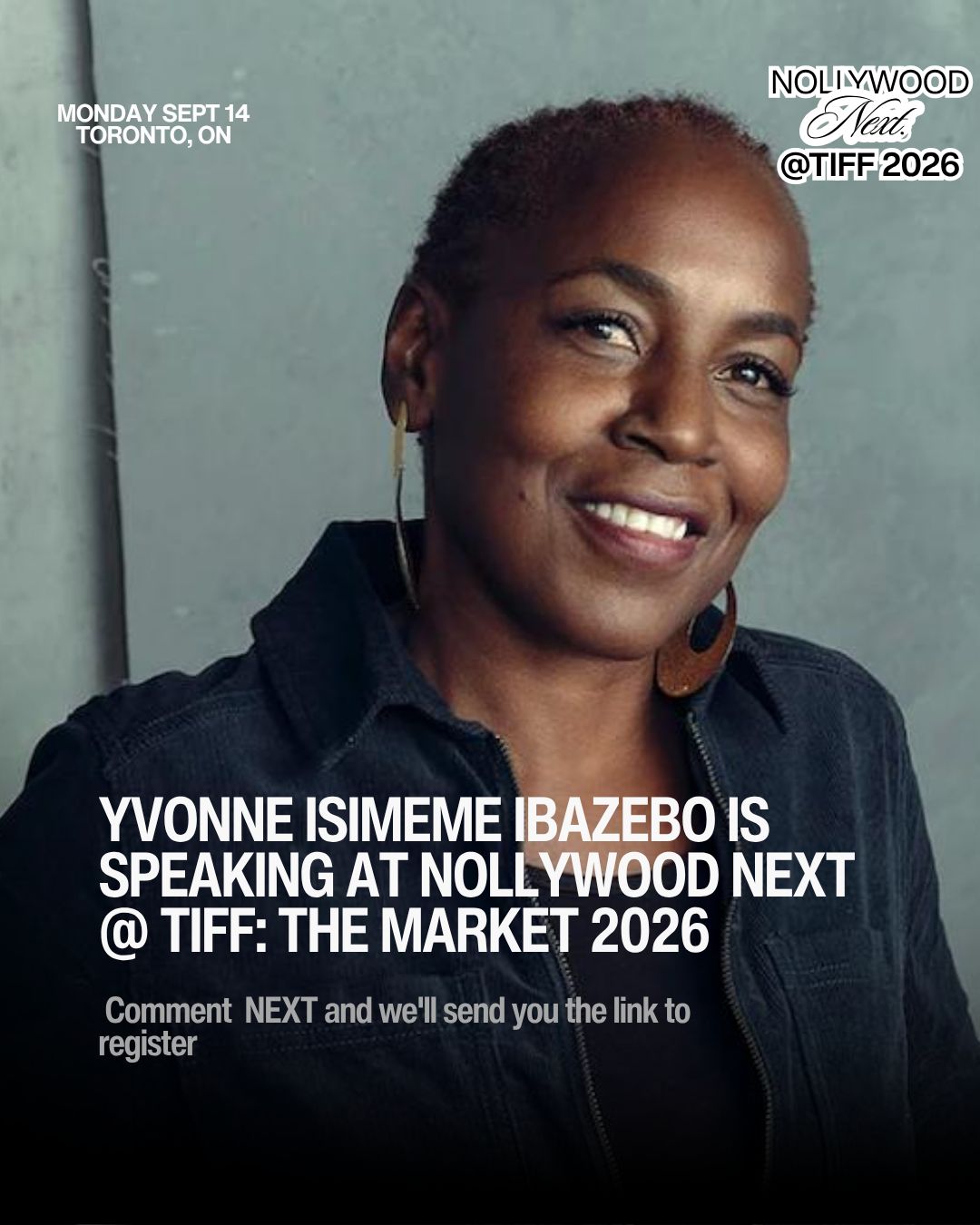
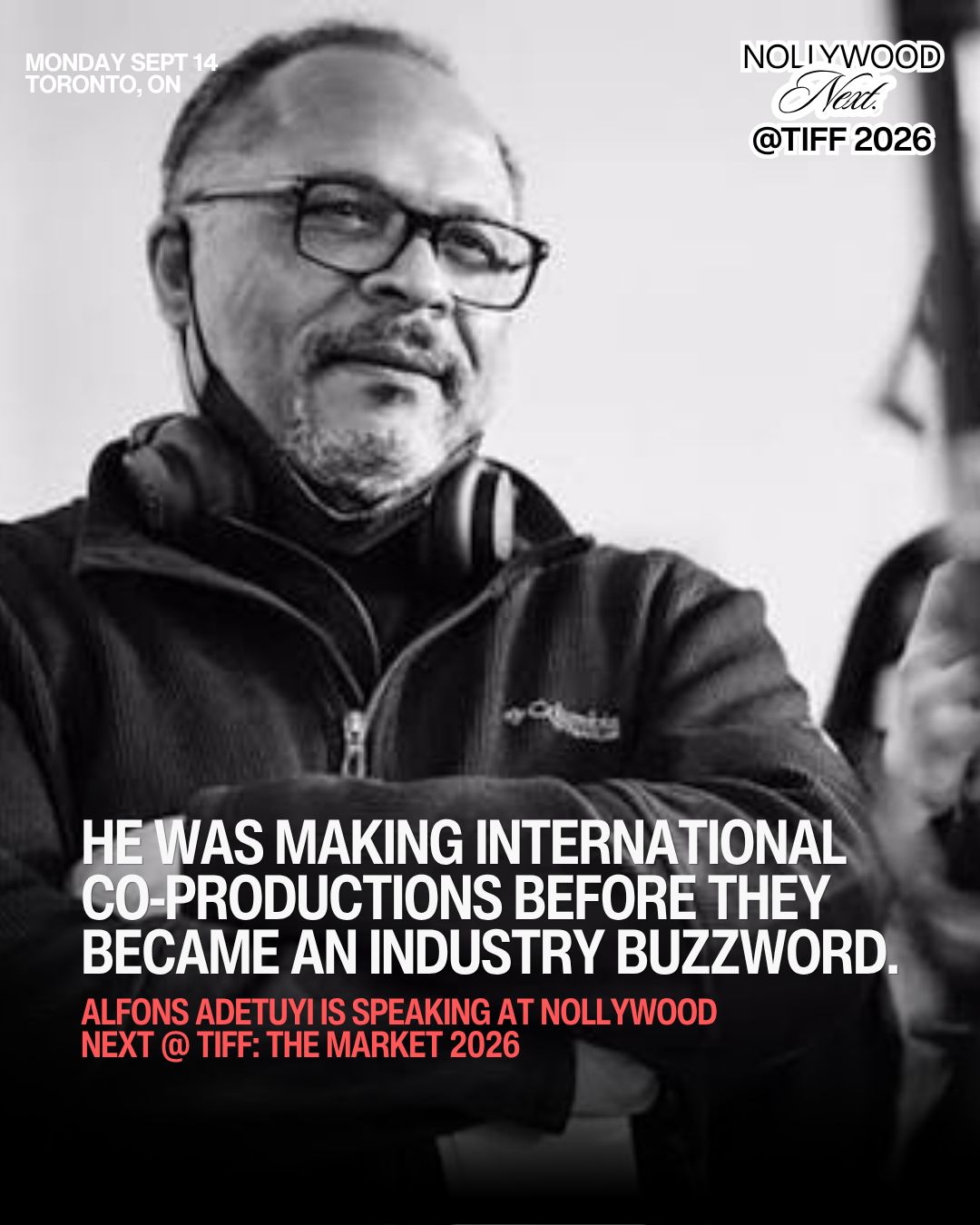
The panel brings together Alfons Adetuyi, founder of Inner City Films and a veteran of co-production and the veteran behind the original Canada–South Africa treaty; Yvonne Isimeme Ibazebo, the producer behind Rye Lane whose credits also include Top Boy; and Folajimi Alli–Balogun of MBO Capital, financier of TIFF 26 Clarissa and Amazon Primes’s Gangs of Lagos, will bring the perspective of institutional investment and film finance.
Moderated by Carmen Thompson, Head of Distribution and Special Projects of We Are Parable, the conversation asks what it actually takes to put together a film across countries and when an international partnership genuinely adds value rather than simply adding more logos to the poster.
What happens to the story when it breaks through?
Money and distribution are only part of the equation.
The final session, “Cross-Cultural Conversations: Storytelling Across the Black Diaspora,” turns to a question Black filmmakers know particularly well: How do you make work for the world without explaining yourself to death?
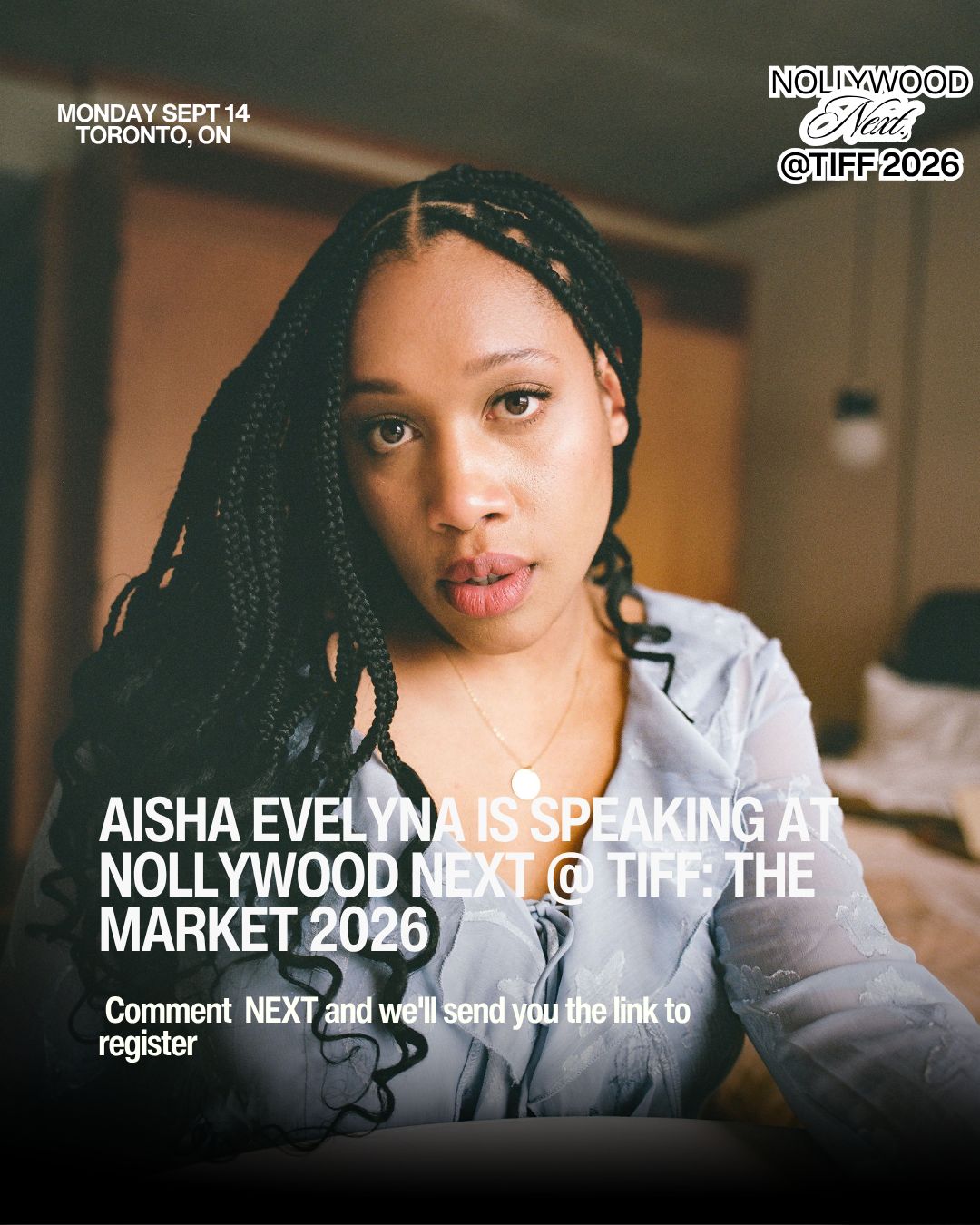
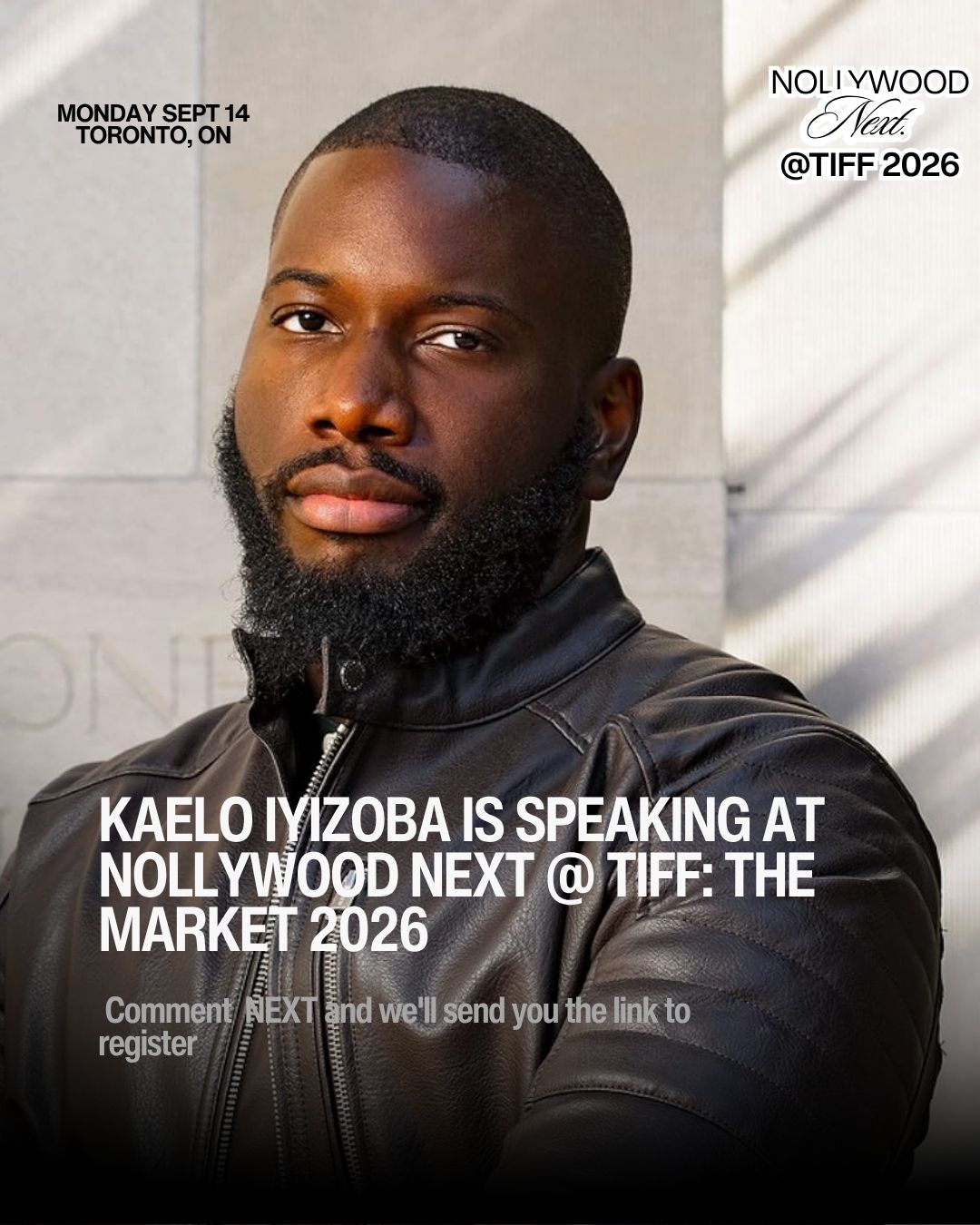
Filmmakers Kaelo Iyizoba and Aisha Evelyna are among those joining the conversation, moderated by actor and producer Yemie Sonuga.
Their careers make the question particularly interesting. Iyizoba’s work draws deliberately from Nigeria even as his career has taken him through programmes including Sundance and TIFF. Evelyna’s work, meanwhile, has made Toronto specificity part of its appeal, from The Drop to her feature Seahorse, which premiered in SXSW’s Narrative Feature Competition.
The discussion will look at what happens when stories cross borders: what gets translated, what stays unexplained, what the industry labels “universal,” and whether cultural accessibility can quietly become cultural dilution.
The Future Ambition
For now, Nollywood Next is a one-day pilot. But the ambition is considerably bigger.
Future editions are envisioned as a multi-day meeting point combining screenings, filmmaker showcases, conversations and networking with the less visible machinery that can actually move projects forward: international co-production meetings, buyer introductions and a dedicated Rights & Financing Exchange connecting projects with financiers, sales agents, distributors and platforms.
Also in development is a Global Black Genre Lab, alongside programming designed to create stronger connections between screen industries across Africa, Canada, the UK, the Caribbean and the United States.
There is an important distinction here. Nollywood Next isn’t simply trying to create another place to celebrate Black creativity. There are already spaces doing that work. It aims to help build the commercial relationships around it.
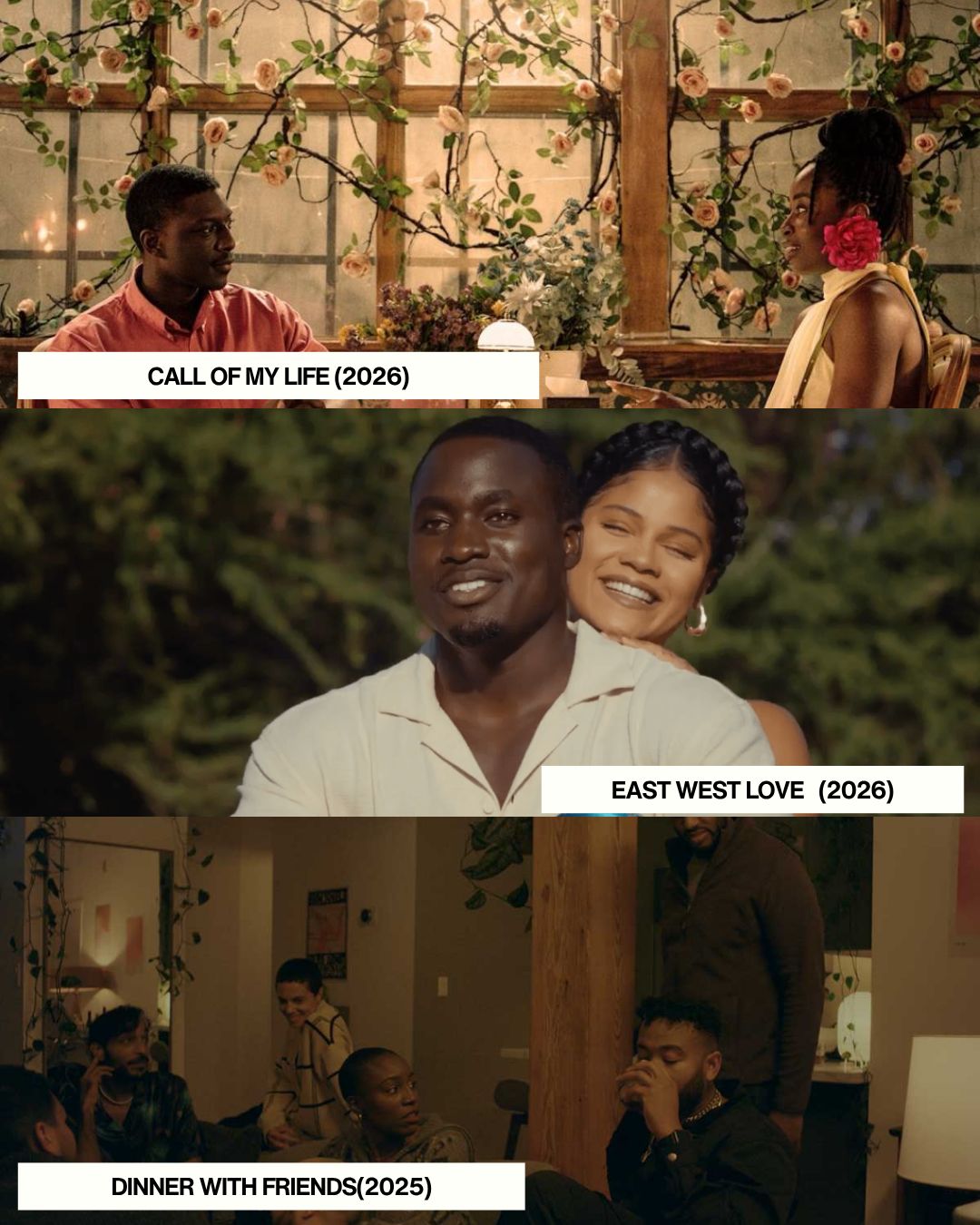
Because a Nigerian filmmaker might have an audience in Toronto, a financier in Lagos, a co-producer in London and a distributor somewhere else entirely. A Black Canadian filmmaker may be telling an intensely local story while building an international career. Increasingly, those aren’t exceptions. They’re simply what contemporary Black creative careers look like.
What is still missing are enough places for all those people to find one another. Nollywood Next is betting that Toronto can become one of them.
Nollywood Next takes place September 14 at the Global Africa Hub powered by CANEX Creations Inc. at TIFF: The Market, Metro Toronto Convention Centre. Registration is free.
Nollywood Next is co-presented by TIFF: The Market and Nile Entertainment and supported by Inner City Films. Media partners include BellaNaija, RADR Canada and Catalyst.
Register: nollywoodnext.com