
Features
Kehinde Ajose: What an Empty Seat Taught Me About Creating Value

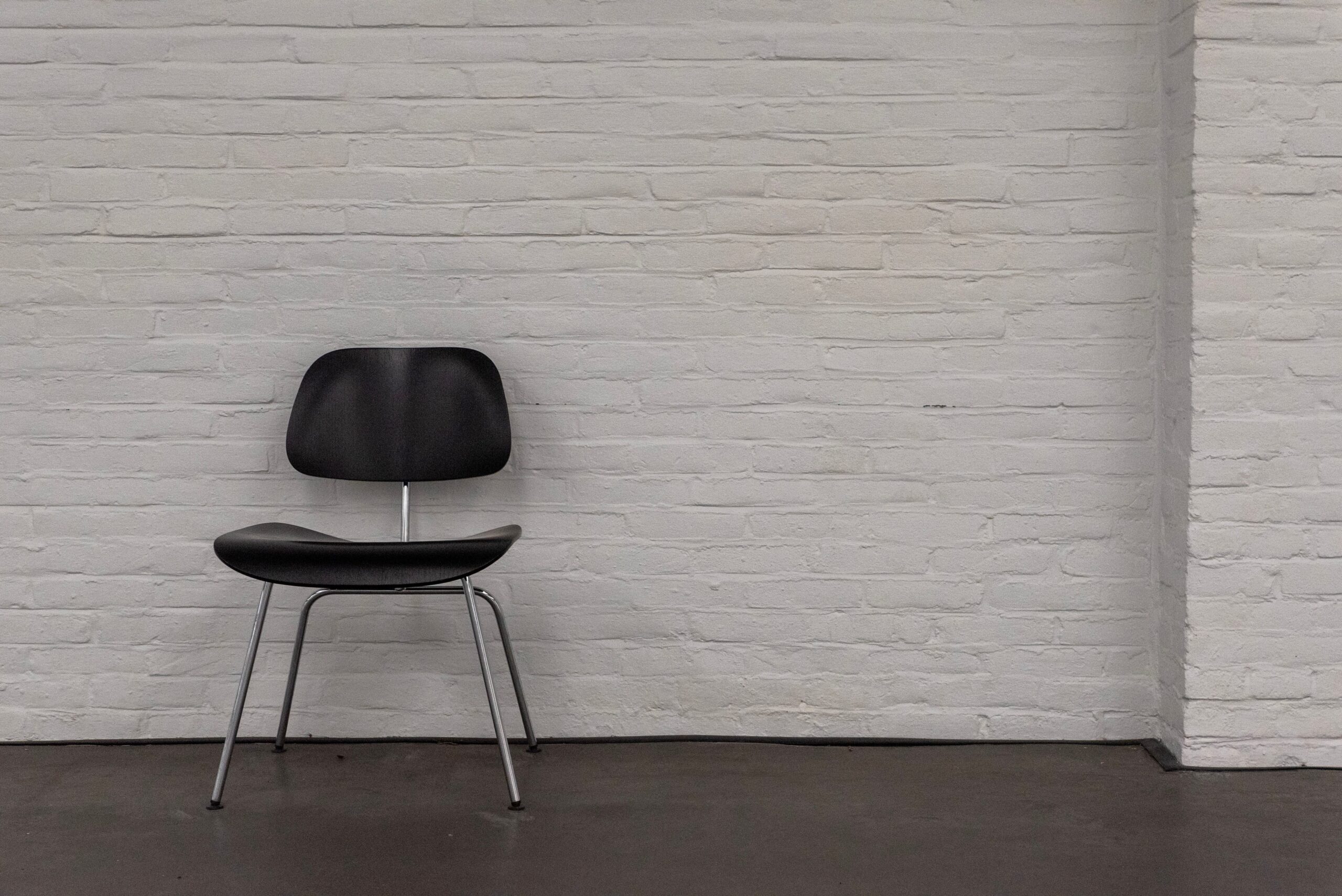
A sleek black chair stands against a textured white brick wall in an empty room. Photo credit: Jan van der Wolf/Pexels.
Earlier this year, I attended a Sunday church service where a simple instruction from an usher would later become a powerful lesson about value, purpose and impact. With a smile, the usher walked over to me and said, “Please, fill the seat.” It was a simple instruction. I moved a few steps and occupied the empty chair. Yet as the service continued, those four words stayed with me.
Please, fill the seat.
At first, they sounded like nothing more than a request to take an available space. But the more I reflected on them, the more I realised they carried a deeper message about purpose, leadership and the responsibility we all have to contribute something meaningful.
You may not see it yet, but there is value within you waiting to be discovered. Everyone has an empty seat to fill, a problem to solve, a gap to close and a contribution to make. An empty seat here represents a need waiting to be met, an opportunity waiting to be discovered, and a chance for someone to make an impact.
Every meaningful contribution begins when someone recognises what is missing and decides to take responsibility for making a difference. This has led me to what I now call The Seat Principle: a simple framework built around four stages of creating value: Find the Seat. Feel the Seat. Fill the Seat. Free the Seat.
Find the Seat: Discover the Opportunity
Every meaningful solution begins with observation and the ability to see what others overlook. You cannot fill a seat you have not first discovered. The people who create lasting impact are often those who pay attention. They notice frustrations others have accepted. They see possibilities where others see limitations. They recognise needs before they become obvious opportunities.
Before every innovation, there was a gap. Before every solution, there was a problem. Before every successful business, someone first recognised an unmet need. This is why many ideas fail. They are built around assumptions rather than understanding. People create what they think others need rather than solving the problems people actually experience.
Finding the seat requires asking better questions: Where are people struggling? What can be improved? Who is being overlooked? What problem exists that nobody has taken ownership of?
Some of Nigeria’s most successful businesses were built by people who recognised these gaps. Companies like OPay and Moniepoint saw the need for easier financial services for millions of Nigerians and small businesses. They identified the gap before building the solution.
The lesson is simple: opportunities are often hidden inside problems. But finding the seat is only the beginning.
Feel the Seat: Understand the People Behind the Problem
Identifying a problem is not enough. You must understand the people experiencing it. This is where empathy becomes important. To feel the seat means listening before building, understanding before selling and learning before launching. Many people fall in love with their ideas. The most impactful people fall in love with the people they want to serve.
Every problem has a human story behind it. Every gap affects real people with real frustrations and expectations. This lesson is personal for me. I have realised that many talented people do not struggle because they lack ability. They struggle because they lack visibility. They have ideas, skills and value, but often lack the platform or audience needed to reach the people who need what they offer.
That understanding shaped my passion for creating platforms that help people and ideas gain visibility. The best solutions often come from people who understand the problem deeply because they have experienced it themselves. You cannot truly fill a seat until you understand what it feels like to sit in it.
Fill the Seat: Create Value Through Action
Discovery and understanding mean little without action. Eventually, someone has to fill the seat. This is where ideas become solutions, where vision becomes reality and where purpose becomes impact.
The world does not reward intentions alone. It rewards value created. Every entrepreneur should ask: What problem am I solving? Every creator should ask: What value am I bringing? Every leader should ask: Whose life improves because I showed up?
Anyone can identify what is missing. Value creators take responsibility for providing what is needed. Nigeria has no shortage of challenges, but every challenge also represents an opportunity for creativity, innovation and leadership. The difference between a complaint and a solution is action. Are you a solution to the problem or a problem to the solution? Filling the seat means becoming the person who contributes instead of waiting for someone else to act.
Free the Seat: Multiply Your Impact
The final stage of The Seat Principle is where success becomes significance. Finding a seat and filling it is important, but true impact comes when you create room for others to shine. A candle loses nothing by lighting another candle. To free the seat means mentoring others, sharing knowledge, building systems and creating opportunities that continue beyond you.
The greatest measure of leadership is not how long you remain needed. It is how many people become capable because you were there. The entrepreneur who creates jobs is freeing seats. The mentor who develops talent is freeing seats. The leader who prepares others is freeing seats. Success is occupying a seat. Significance is creating more seats.
Everyone Has a Seat to Fill
The Seat Principle applies to everyone. For an entrepreneur, the seat may be an unmet market need. For an employee, it may be a problem others ignore. For a creator, it may be a story waiting to be told. For a leader, it may be a person waiting to be developed. Every profession exists because there is a need. Every calling exists because there is a gap waiting to be filled. The question is not whether there is a seat. The question is whether we are willing to recognise it.
Looking back, I doubt the usher realised that those four words would become such a powerful lesson for me. “Please, fill the seat.”
Today, I hear those words differently. They are no longer just an instruction. They are an invitation. An invitation to solve problems.To create value. To bring ideas where there is stagnation. To bring innovation where there is inefficiency. To bring leadership where there is uncertainty.
The world does not need more people fighting for seats that are already occupied. It needs more people willing to discover empty ones, understand the people connected to them, fill them with value and create more seats for others.
Because every empty seat is a possibility. Every gap is an opportunity. Every opportunity is an invitation to make a difference. The next time someone says, “Please, fill the seat,” do not hear only an instruction. Hear a calling. The world is waiting for what only you can bring.