
News
Donald Trump Expands U.S. Travel Restrictions: What It Means for Nigerian Visas and Entry
President Trump expands U.S. travel restrictions on Nigeria. Here is what the new partial travel ban means for your 2026 visa renewals and travel plans.

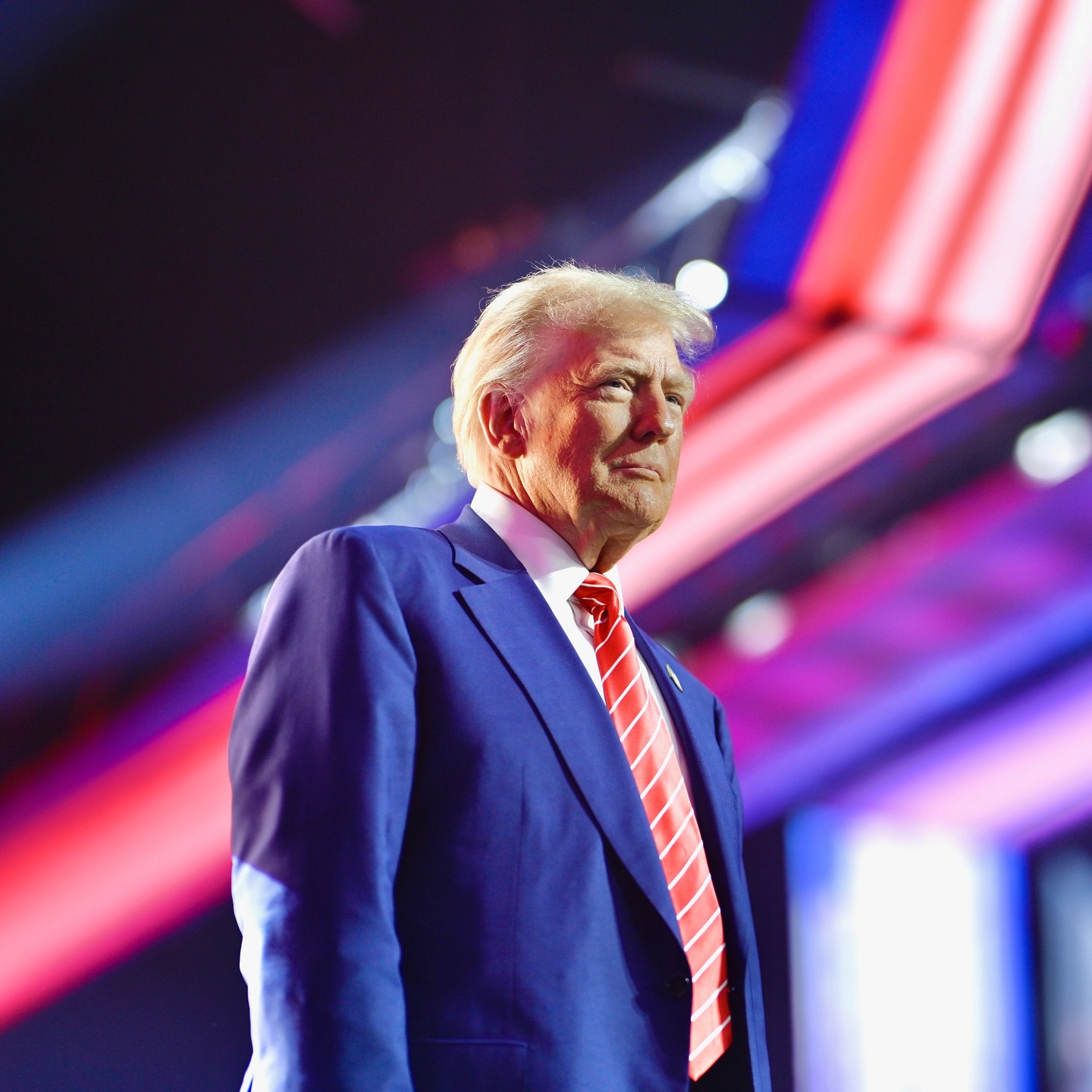
Photo Credit: President Donald Trump/Instagram
Nigerians heading to the U.S. have a new travel reality to navigate. President Donald Trump has expanded the U.S. travel restrictions, now including Nigeria among countries subject to partial restrictions. While it’s not a full ban, the change still carries real implications for students, professionals, families, and anyone planning to visit the U.S.
What the new policy says
According to the presidential proclamation, the restrictions aim to “strengthen national security through common-sense restrictions based on data.” Nigerians with valid visas, from tourist and student visas to work or immigrant visas, aren’t automatically barred from entering the U.S. The proclamation also outlines exceptions for lawful permanent residents, diplomats, athletes, and travellers deemed in the national interest.
For current visa holders, this means travel can continue, though some may face closer scrutiny at the border. Officials may ask more detailed questions about the purpose of travel and intended stay, reflecting the administration’s heightened enforcement approach.
Renewing a visa just got trickier
Nigerians looking to renew visas now fall under the partial restrictions framework. Renewal applications are treated as new, which could mean longer processing times, stricter documentation requirements, and more questioning. Students, for example, may need to provide additional proof of academic progress, funding sources, and future plans, while family-based applicants could face delays in sponsorship or immigrant pathways.
First-time applicants face the toughest checks
The biggest impact is likely for Nigerians applying for U.S. visas for the first time. Consular officers will place greater emphasis on security checks, travel history, financial capacity, and credibility of stated intentions. The administration cites security concerns, including “Boko Haram and Islamic State activity,” and points to previous visa overstay rates as justification for Nigeria’s inclusion.
What this means in practice
-
Students: Potential delays to start dates, increased risk of visa denials, or a shift toward alternative destinations such as the UK or Canada.
-
Families: Longer waiting periods for reunification or immigrant visas.
-
Business travellers and professionals: Possible disruptions to conference attendance, contract negotiations, and cross-border partnerships.
Africa hit hardest
Nigeria isn’t alone. Africa has been the most affected region, with four countries fully banned—Burkina Faso, Mali, Niger, and South Sudan—and many others under partial restrictions, including Angola, Tanzania, Zimbabwe, Senegal, and more. The African Union has expressed concern about the impact on people-to-people ties, educational exchanges, commerce, and diplomacy, urging a balanced approach in line with long-standing U.S.-Africa partnerships.
While the restrictions are framed as security measures, they’re also a reminder that international travel for Nigerians is now under tighter oversight, with first-time applicants and renewals seeing the clearest effects. Existing travellers still have routes open, but planning, documentation, and timing have become even more crucial.
AMERICA FIRST SECURITY 🇺🇸
President Donald J. Trump just signed a new Proclamation, STRENGTHENING our borders & national security with data-driven restrictions on high-risk countries with severe deficiencies in screening & vetting. pic.twitter.com/DZmqpkerKb
— The White House (@WhiteHouse) December 16, 2025