
Culture
From Midnight Mass to Doro Wat: Ethiopia Celebrates Christmas | See Photos
Ethiopia marked Christmas on 7 January 2026, joining countries like Russia, Egypt, and Serbia. The Genna celebrations feature white robes, candlelit church services, traditional feasts, and communal gatherings.

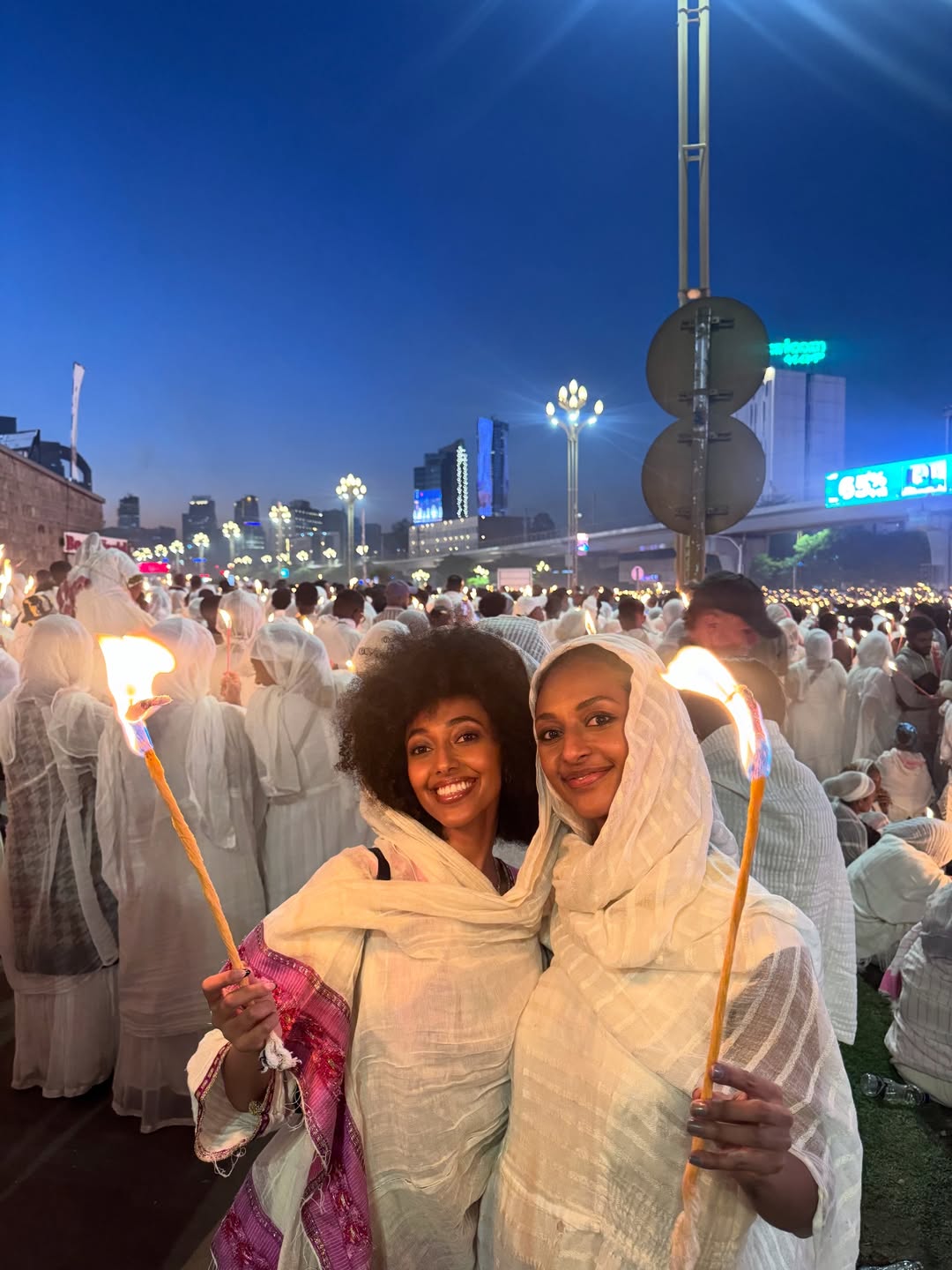
Photo Credit: Ephrata/Instagram
While many of us have already packed away our Christmas trees and transitioned into “New Year, New Me” mode, millions of people across the globe just finished their biggest celebration of the year. Yesterday, 7 January 2026, was Christmas Day in Ethiopia.
Known locally as Genna (or Ganna), the holiday is a vibrant blend of deep spirituality, ancient tradition, and some seriously good food. If you think the December 25th rush is intense, wait until you see how Ethiopia handles the season.
The Vibe: White Robes and Midnight Vigils
The celebration actually kicks off weeks in advance with a 43-day fast known as Tsome Nebiyat (Fast of the Prophets). By the time Christmas Eve arrives on 6 January, everyone is ready for the grand finale.
The atmosphere in cities like Addis Ababa and the holy city of Lalibela is something special. Worshippers dress in beautiful, thin white cotton shawls called Netela (or Shamma), often adorned with colourful woven borders. Many spend the entire night in candlelit church services, with hymns and prayers echoing until the early hours of Christmas morning.
The Feast: Doro Wat & Chill
Once the sun comes up, it is time to eat. After weeks of a vegan-only fast, the stars of the show are the meat dishes. The centrepiece of every Ethiopian Christmas table is Doro Wat—a rich, fiery chicken stew slow-cooked with boiled eggs and plenty of berbere spice.
It is always served on a giant platter of Injera, that famous spongy, sourdough flatbread. In true communal style, everyone gathers around the same plate, using pieces of injera to scoop up the stew. And of course, no celebration is complete without a traditional coffee ceremony, where the aroma of freshly roasted beans and incense fills the room.
Wait, Why January 7th?
You might be wondering why 250 million Christians, including those in Russia, Egypt and Serbia, wait an extra 13 days to celebrate.
It isn’t because they believe Jesus Christ was born on a different day; it is all about the calendar. While most of the world uses the Gregorian calendar (introduced by Pope Gregory XIII in 1582), many Orthodox and Eastern churches still follow the Julian calendar, which dates back to the time of Julius Caesar.
Because the Julian calendar is 13 days “behind,” December 25th on their system actually lands on January 7th on ours. It is often called “Old Christmas Day,” and for many, it feels like a more traditional, less commercialised way to mark the season.
Hockey and Horses
One of the coolest things about Genna is the traditional sports. After the morning mass, men and boys head out to play Ye Ganna Chewata—a game that looks a lot like field hockey, played with curved wooden sticks and a hard ball. Legend has it that the shepherds played this very game to celebrate when they heard the news of Jesus’ birth.
To everyone who celebrated: Melkam Gena!
See photos from the celebration
View this post on Instagram