
Style
Victor Alao’s ARIKÉ & OKIN Collections Position African Textiles Within Contemporary Global Fashion
Written by Seun Emmanuel
In an increasingly globalised fashion landscape, emerging designers are redefining how cultural heritage can exist within modern design systems. Nigerian designer Victor Alao, founder of Correctshapers, contributes to this evolving dialogue through his collections ARIKÉ and OKIN two bodies of work that explore the intersection of functionality, identity, and traditional textile narratives.
The collections have received international recognition, including a Silver Award at the French Fashion Awards 2026 in the Ready-to-Wear – Cultural and Ethnic Apparel category, alongside a Global Recognition Award 2026, signalling early industry acknowledgement of the designer’s conceptual direction and execution.
Developed following his Fashion Design and Styling training, the collections reflect a structured exploration of how African textiles and cultural references can be translated into contemporary, commercially viable garments.

ARIKÉ: Utility, Structure, and the Language of Modern African Menswear
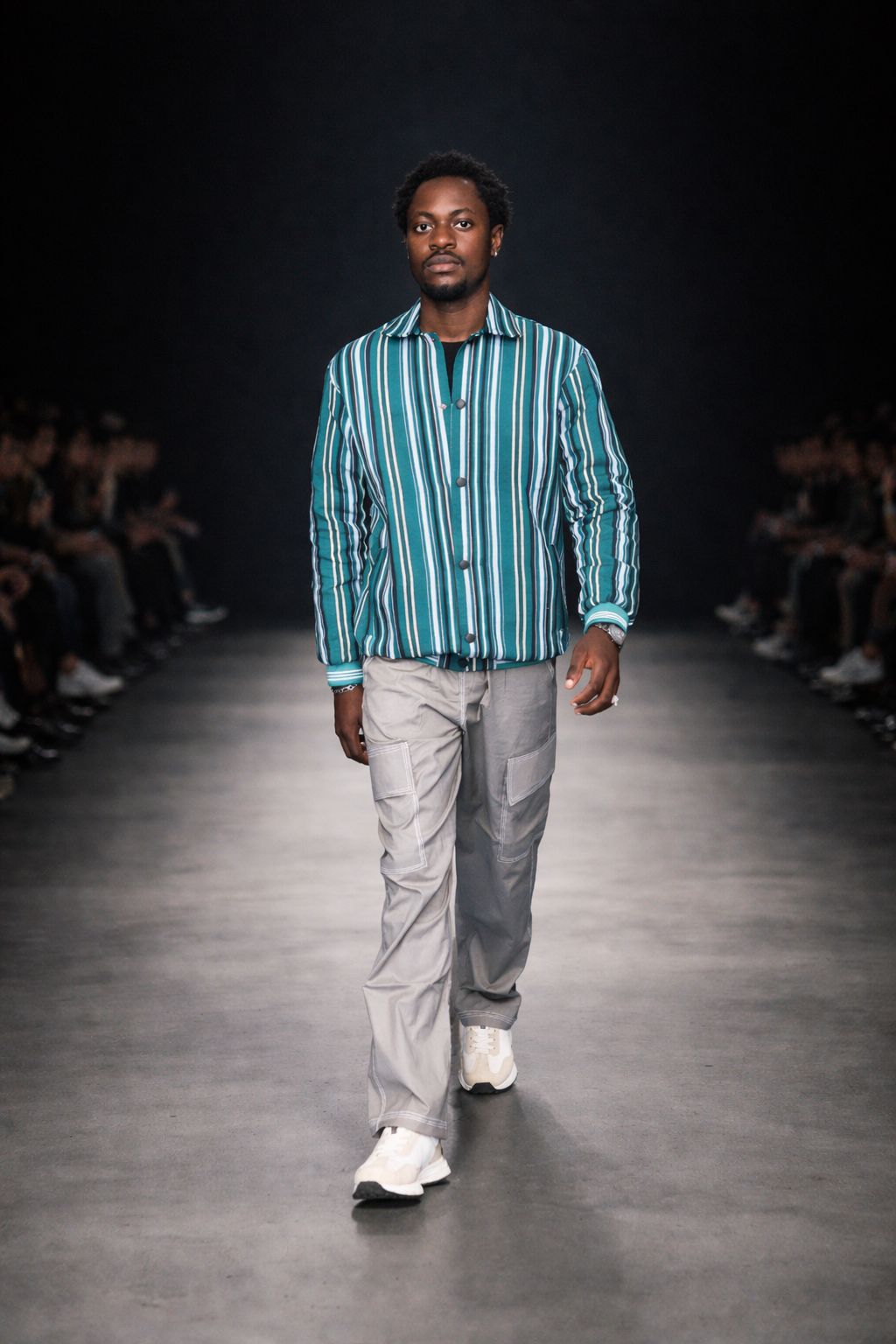
The ARIKÉ collection presents a focused study on menswear and unisex silhouettes, drawing from urban African environments and workwear aesthetics. Rather than relying on ornamentation, the collection prioritises construction, durability, and functional design.
Garments such as structured jackets, cargo trousers, and hooded pieces demonstrate deliberate attention to paneling, seam visibility, and pocket placement elements that reinforce both visual identity and practical use.
What is notable is the designer’s awareness of production realities. Fabric choices primarily structured cotton blends indicate consideration for scalability, wear resistance, and accessibility within broader markets.
Critically, ARIKÉ avoids over-romanticising cultural references. Instead, it positions African-inspired design within a global streetwear framework, making the collection relevant beyond regional contexts.
OKIN: Reframing Aso Oke for Contemporary Womenswear
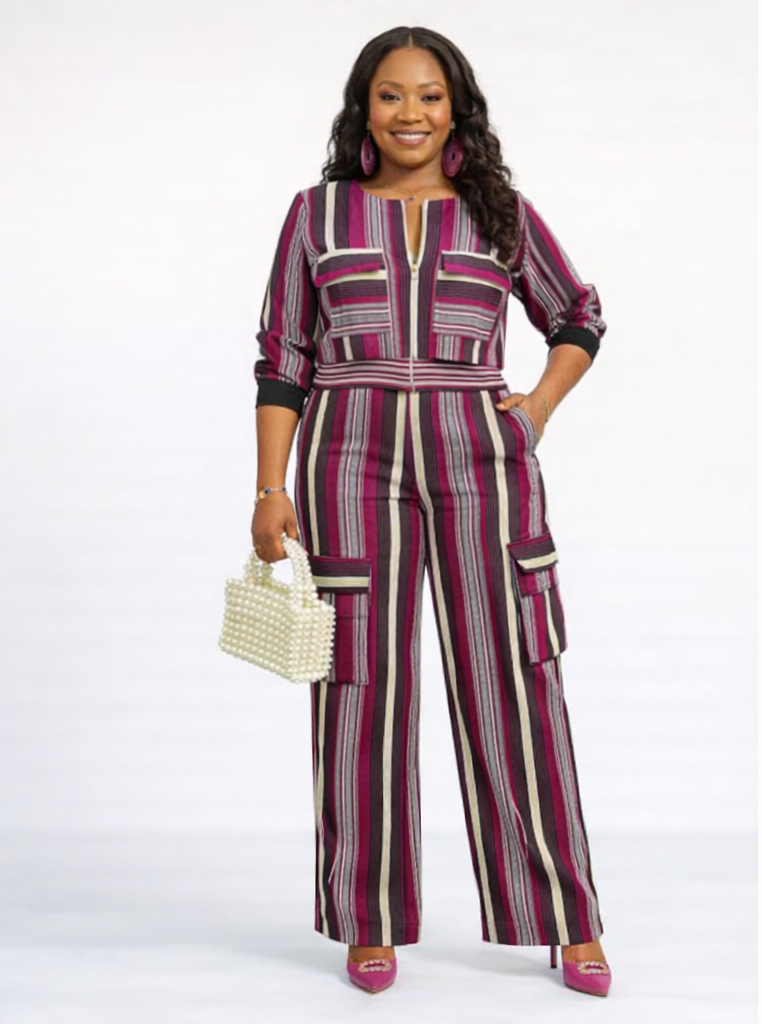
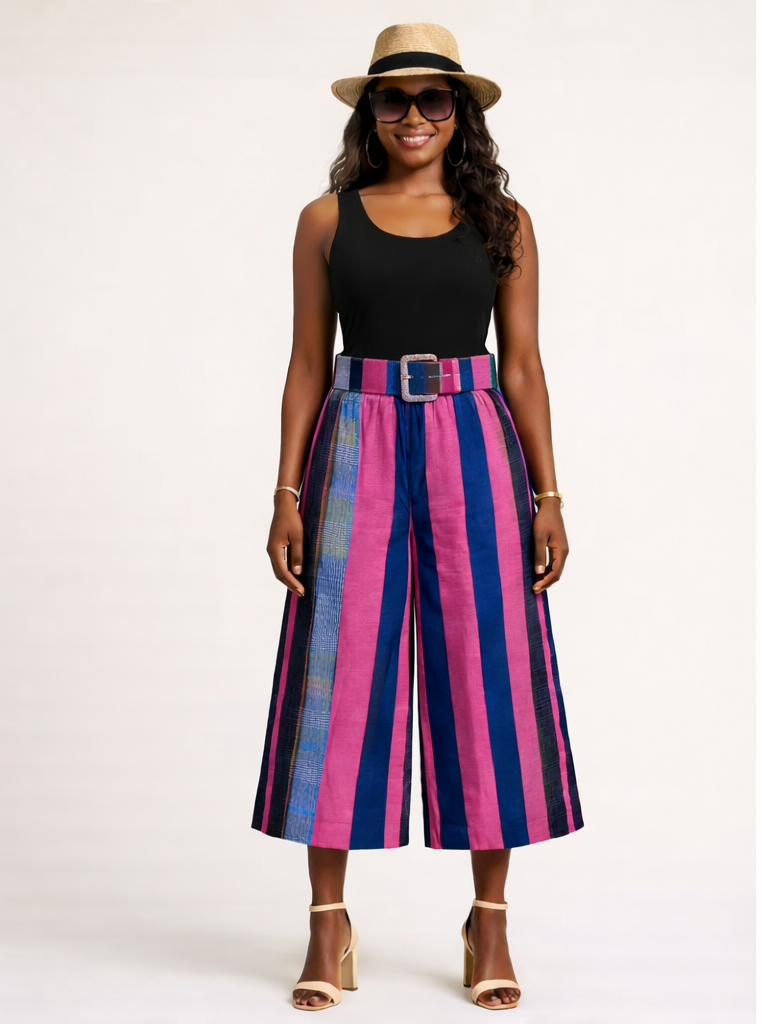
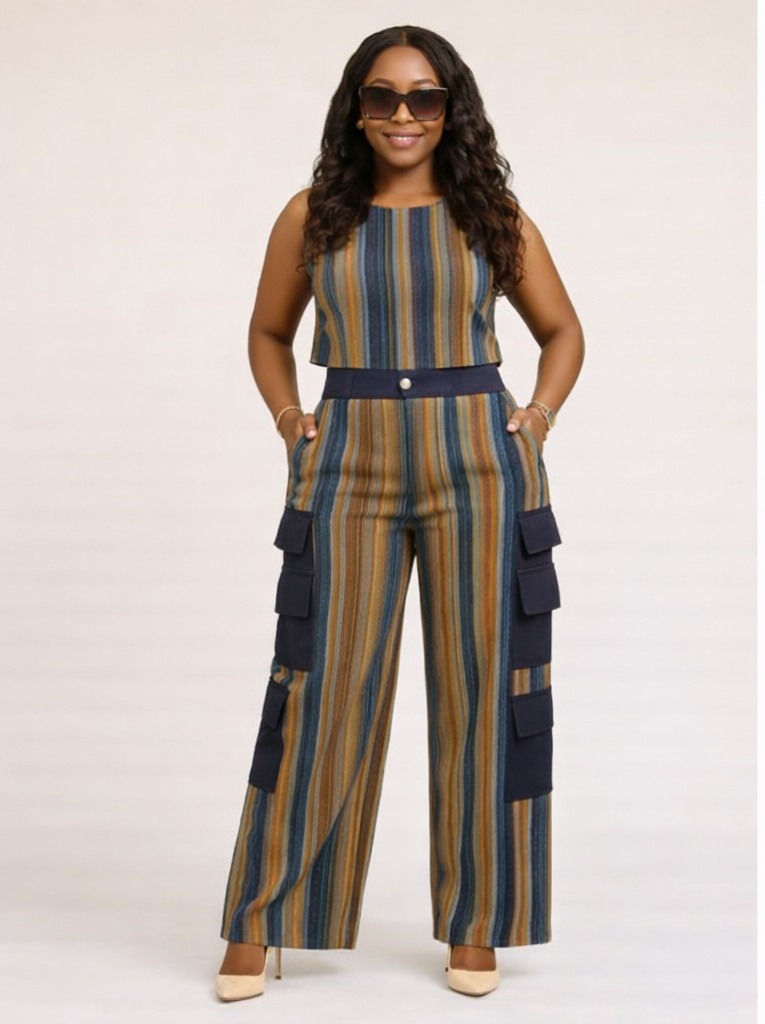
In contrast, the OKIN collection shifts toward textile heritage and feminine expression, using Aso Oke a handwoven fabric traditionally reserved for ceremonial wear as its central material.
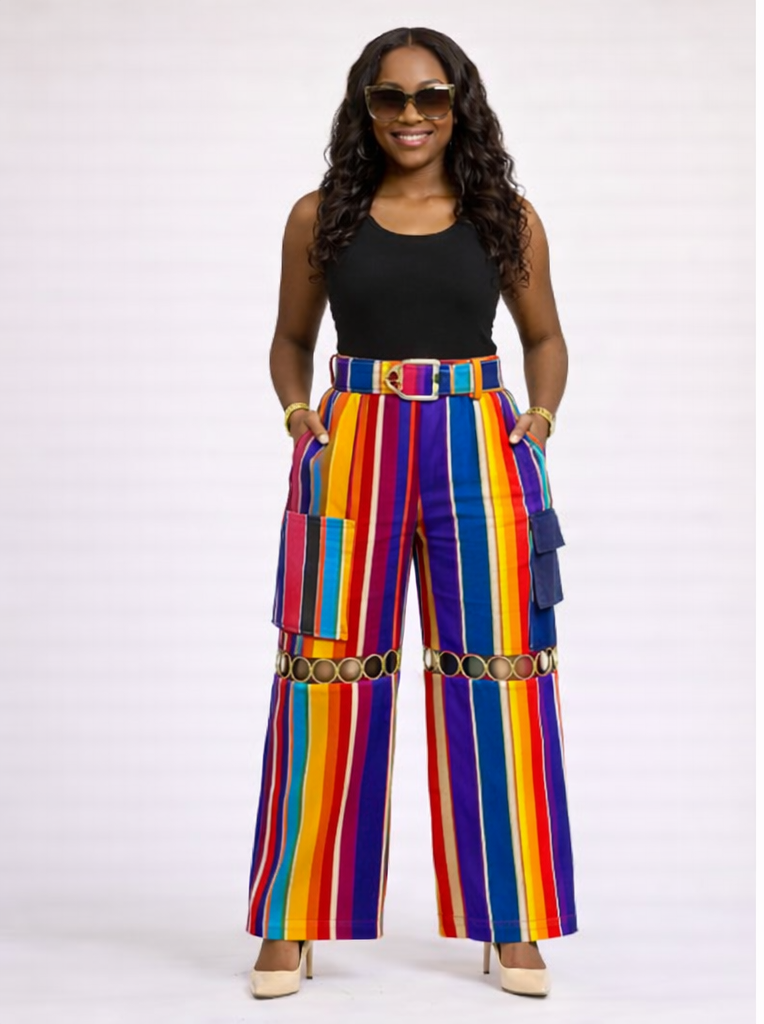
Here, Alao explores how heritage textiles can transition into modern wardrobes. Structured co-ords, tailored tops, and high-waisted trousers demonstrate an effort to balance cultural authenticity with contemporary styling.
The sourcing of textiles from Oyo State adds a layer of material integrity, while construction techniques reinforced seams, layering, and functional detailing introduce a modern design sensibility.
The collection’s strength lies in its reinterpretation rather than replication. Instead of preserving Aso Oke solely as tradition, it is repositioned as a viable fabric within ready-to-wear systems, expanding its relevance to new audiences.
Taken together, ARIKÉ and OKIN highlight two complementary directions within Alao’s practice:
- Functional, market-oriented menswear.
- Culturally rooted, textile-driven womenswear
What distinguishes the work is its attempt to operate across three key dimensions:
- Cultural storytelling.
- Technical construction.
- Commercial scalability
While still early in his career, the designer demonstrates a growing understanding of how fashion functions not only as creative output but as an industry system shaped by production, identity, and global positioning.
The recognition from international award bodies further suggests that the work resonates beyond local contexts, contributing to ongoing conversations about the place of African design within contemporary fashion.
As more designers explore the balance between heritage and innovation, ARIKÉ and OKIN offer a considered example of how traditional narratives can be translated into modern garments without losing cultural relevance.
Victor Alao’s work reflects a broader shift within African fashion one that moves beyond representation toward integration within global design discourse.







Sponsored Content