Movies & TV
Daniel Etim Effiong’s The Herd Holds a Mirror to Nigeria’s Kidnapping Crisis
Daniel Etim Effiong directs his first feature film, “The Herd,” a gripping crime thriller that holds a mirror to Nigeria’s kidnapping crisis, exposing the human and societal cost of abductions while exploring the country’s deep divisions.

There’s an adage, more like a prayer point, you would mostly likely hear from parents in morning prayers, before everyone sets out for the day: “K’a ma rin nigbati ebi ba npa ona,” which loosely translates to may we not walk when the road is hungry. It’s a plea so steeped in caution that often draws the loudest “amen.”
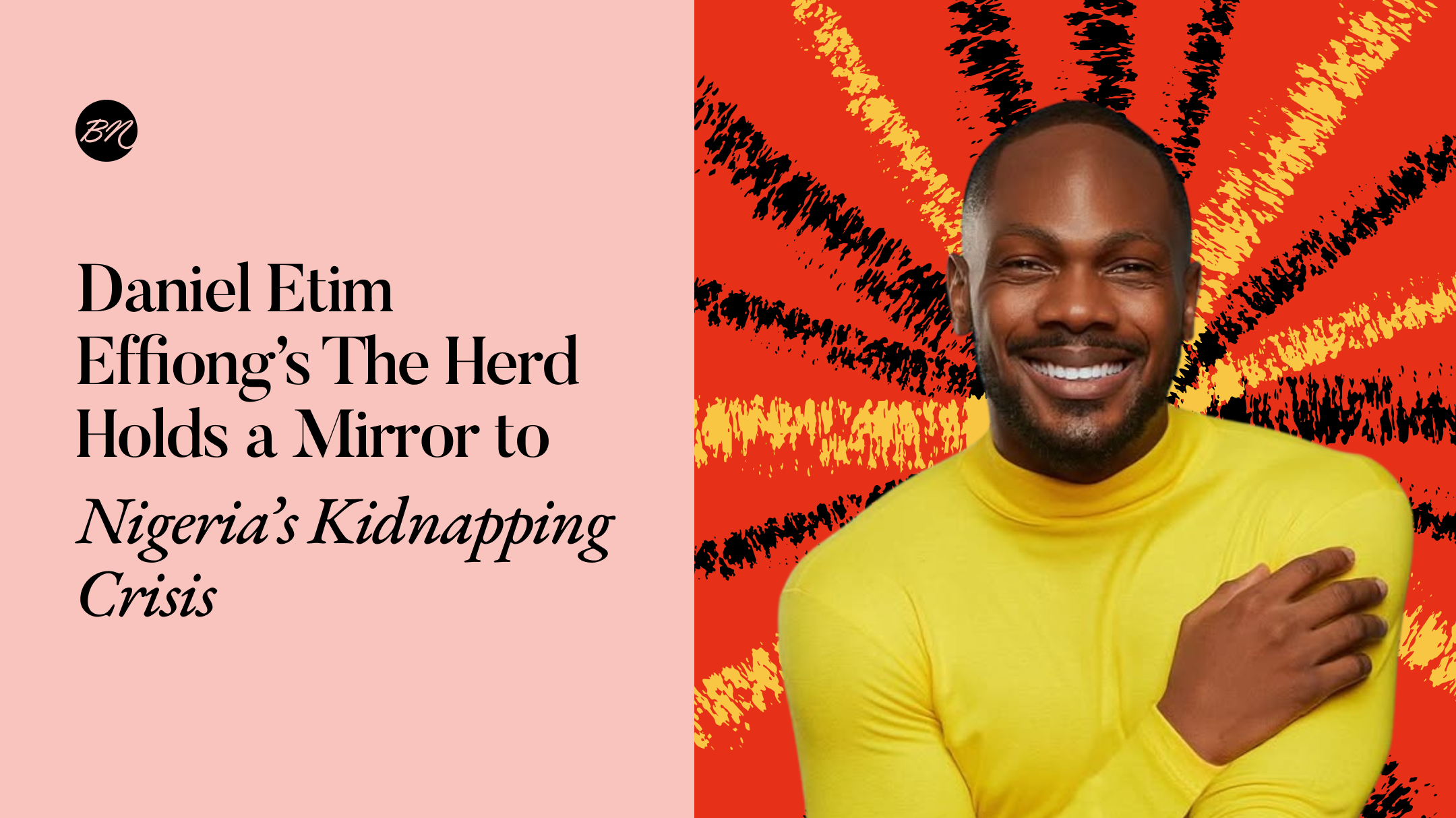
The road was hungry, ravenous even, the day Derin and Fola, stood at the altar and pledged themselves to one another. “Now, you are ready to step into a new chapter filled with joy and hope,” the priest proclaimed. Joy and hope.
This is the day of joy, the day of joy
If he had known, perhaps he might have added a prayer for safe passage as they began their journey. Perhaps Derin (Genoveva Umeh) and Fola (Kunle Remi) themselves might have sought extra protection against whatever waited for them on the highway.
Yet they would not be alone in that vulnerability. Many who travel Nigeria’s roads know that even in a deeply religious country, where clerics pause to bless a vehicle and pray over its passengers, safety is never guaranteed. There is a chance that they would find themselves at the mercy of kidnappers, some who may force their victims into a fate with no return, others who hold them for ransom, or those whose motives take yet another, more uncertain form.
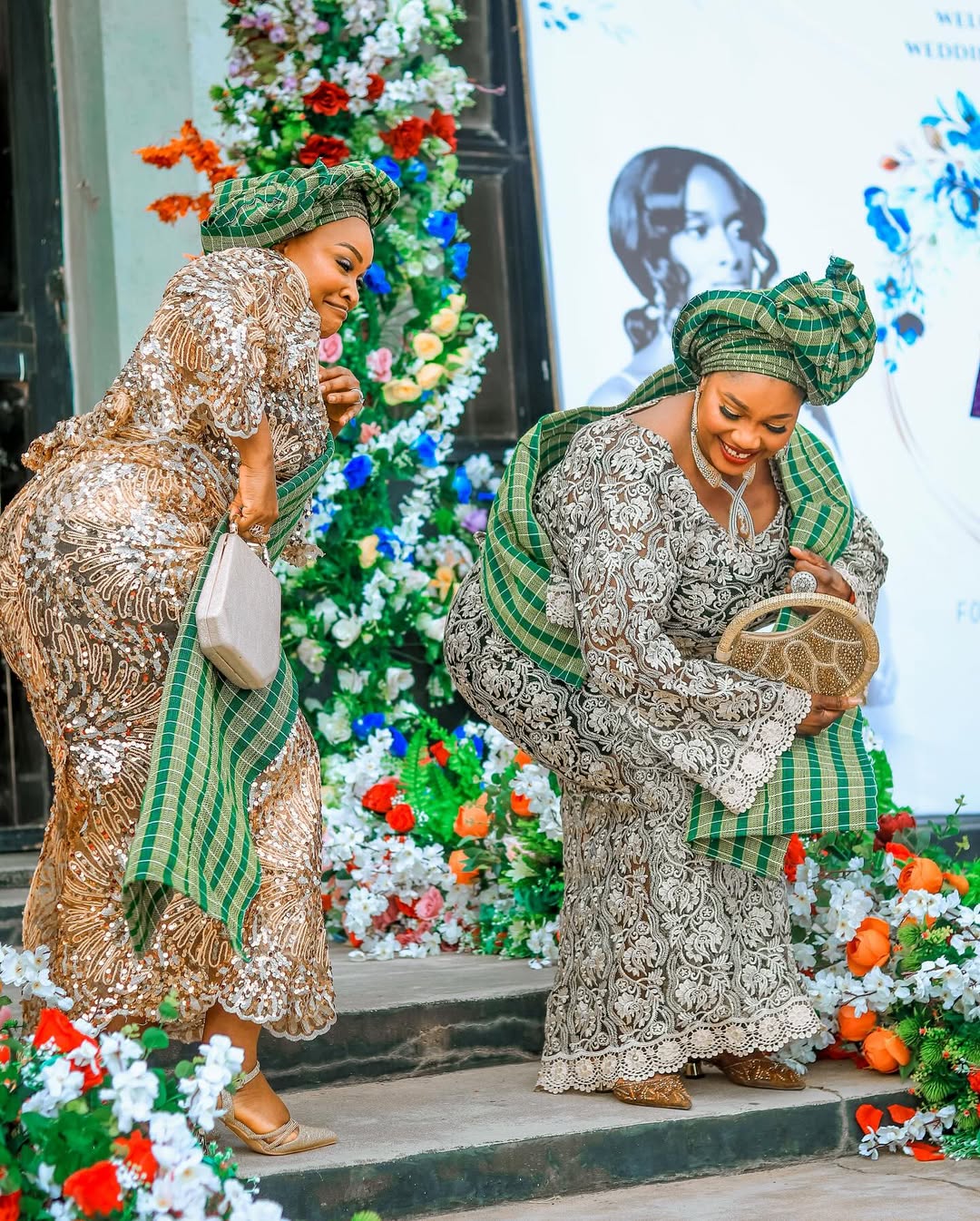
For Daniel Etim Effiong, this uncertainty is not an abstract idea but the seed of a story he has long wanted to tell. His desire took shape at a point when he felt completely spent by Nollywood, worn down by a career that no longer offered any fulfilment. At that crossroad, he had two choices: step away entirely or tell his own stories. “You tell the stories you like to tell, tell the stories that you feel that you deserve,” he said. “And that’s what I set out to do.”
“The Herd” landed at a moment of escalated kidnappings across Nigeria, particularly in the north-central region. Violent abductions, long a recurring threat, surged in frequency and boldness, turning routine travel, schooling and church gatherings into acts of risk. United Nations reports indicate that between November 17 and 30, no fewer than 402 people, mostly schoolchildren, were kidnapped across Niger, Kebbi, Kwara and Borno states.
The Herd began as a simple pitch: a man travelling to Ekiti to attend his best friend’s wedding is kidnapped, and his wife goes through unimaginable lengths to bring him home.
Its premise mirrors realities Effiong has lived through. At just one year old, his father was arrested by the military government and imprisoned for allegedly plotting against Ibrahim Badamasi Babangida. His mother went through hell and high water to secure his release, only to pass away when Effiong was four during one of her journeys from Benin to the prison in Kano.
Yet for Effiong, it was not just fiction. When he was only a year old, his father was arrested by the military government and imprisoned for allegedly plotting against Ibrahim Babangida. His mother fought relentlessly for his release until she died when Effiong was four, during one of her trips from Benin to Kano prison.
After his father’s release in 1993, Effiong remembers the road trips they took — journeys from Lagos to different parts of the country that became a form of reclamation, precious for a child who had spent so much of his early life without his father. But today, the same roads that once held memories now carry risks he considers unthinkably fraught for his own children.
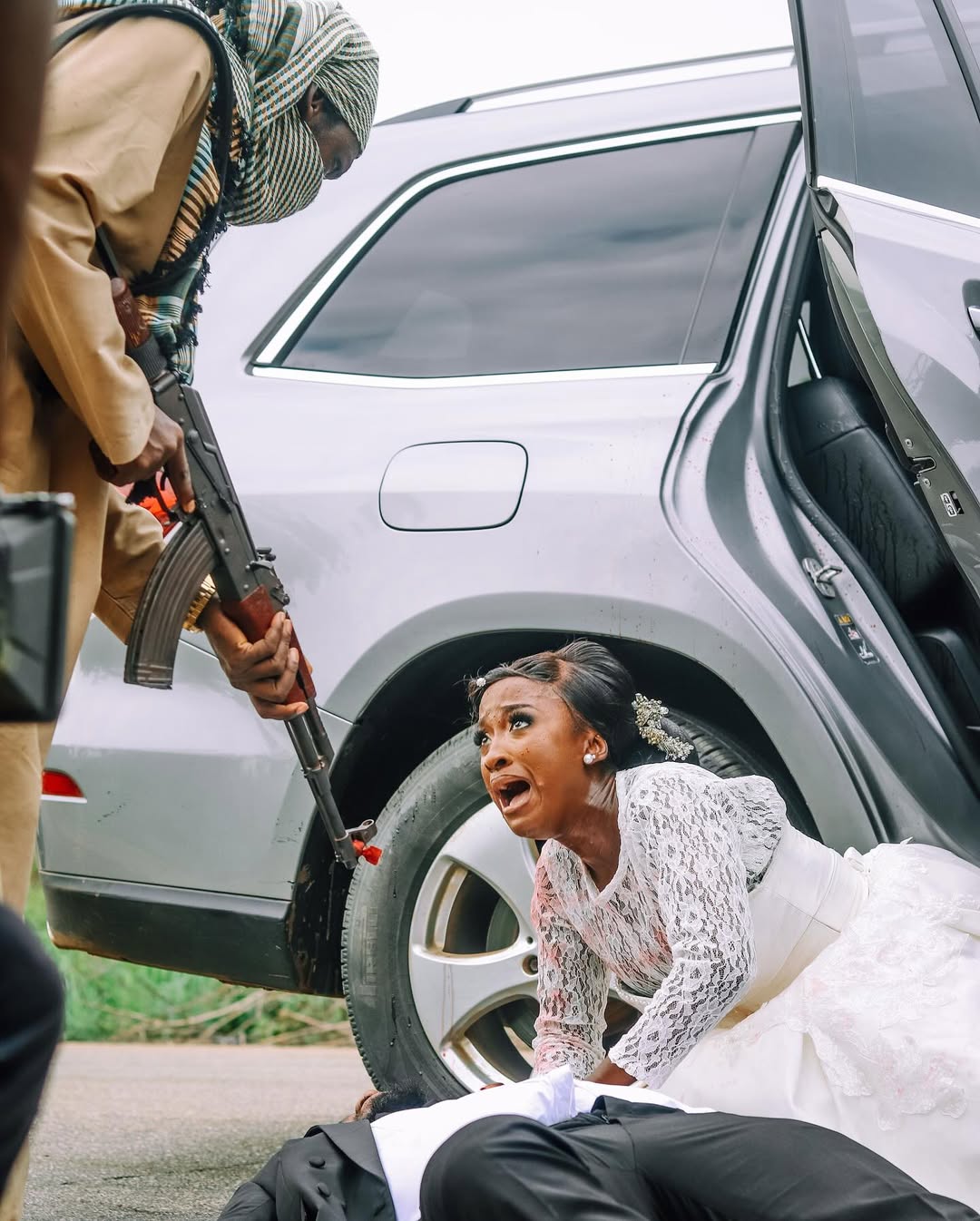
From the outset, Effiong intended for “The Herd” to move beyond surface-level entertainment. The film navigates violence and moral dissonance with urgency. A bride is widowed in seconds; a friend is confronted with choices that defy the boundaries of loyalty and sanity; families thrust into situations that feel surreal yet painfully familiar.
The narrative layers insecurity, prejudice and religious contradiction — bandits who pause for prayer, pastors doubling as organ traffickers, even a fleeting moment of identity shaming when Emeka (Emeka Nwagbaraocha) mocks Gosi’s inability to speak the Igbo language. These juxtapositions form the heart of the story: the rituals and identities people cling to, even as the structures around them fail.
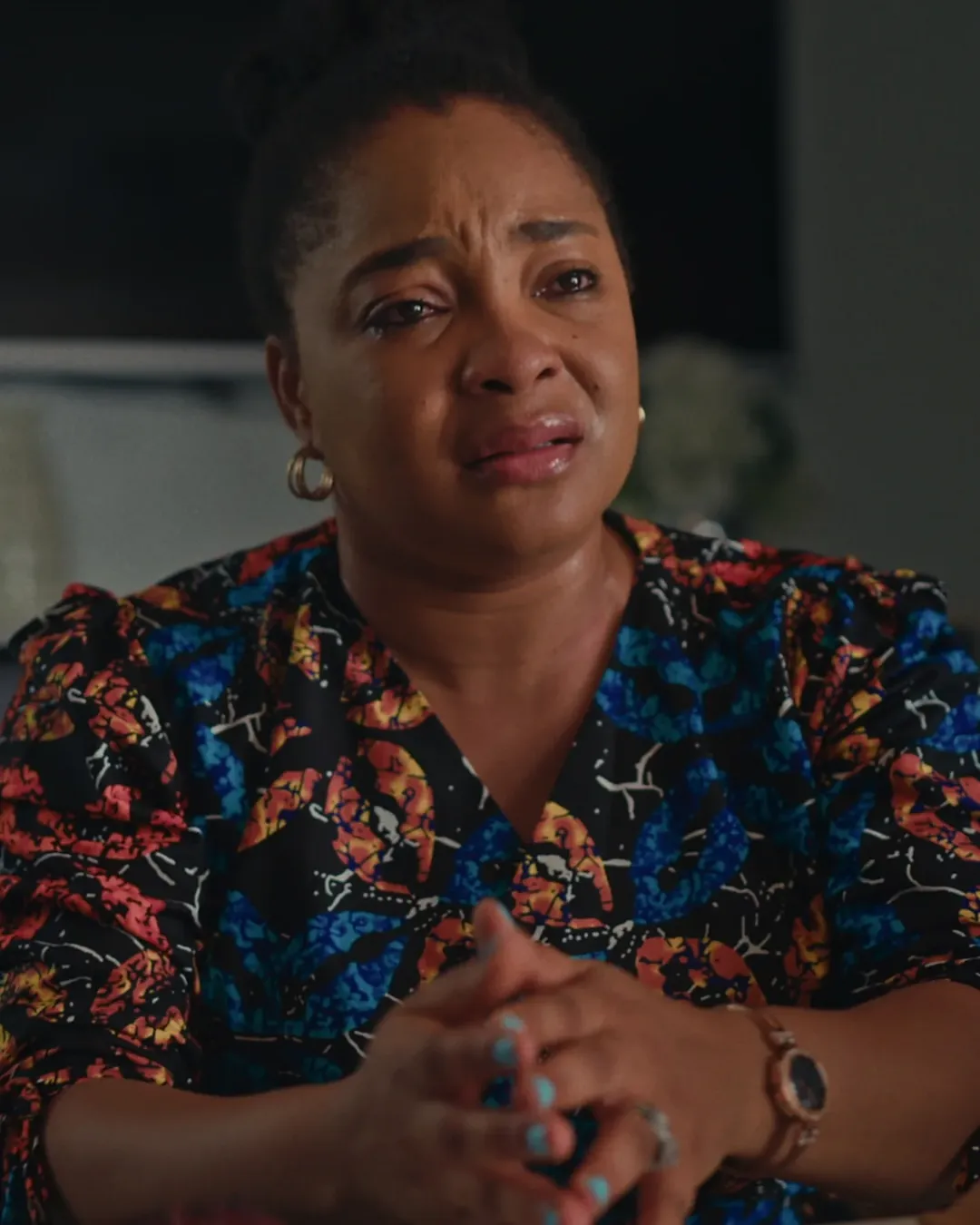
Away from the forest, the film’s tension shifts to a quieter brutality. Adamma, (Linda Ejiofor Suleiman) races to raise the ₦50 million ransom, only to confront her in-laws’ caste prejudice because she is Osu. In desperation, she offers to end her marriage to secure their support. In a film that deals with violence and captivity, this socially sanctioned cruelty hits just as hard, showing how old hierarchies still define lives.
The film’s resonance has been unmistakable, topping Netflix charts in Nigeria, Kenya and South Africa, with viewers praising its unflinching depiction of contemporary Nigerian life.
I just finished watching “The Herd” on Netflix, that’s not just a movie it is someone’s reality as we speak .💔
— Deelulu (@yappadoodledee) November 27, 2025
Just finished seeing THE HERD movie.
It was a good and sad watch as it
depicts the insecurities we’re facing in Nigeria – kidnapping by terrorists.— Chioma Genia (@eugeeyy) November 21, 2025
As dreadful as the scenes are in the movie, The Herd, we all need to understand that this is our lived reality, every single one of us.
Don’t be fooled by your gated estates and your tinted glasses. We are in deep shit
— MO’BELIEVE (@mobelieve_) November 23, 2025
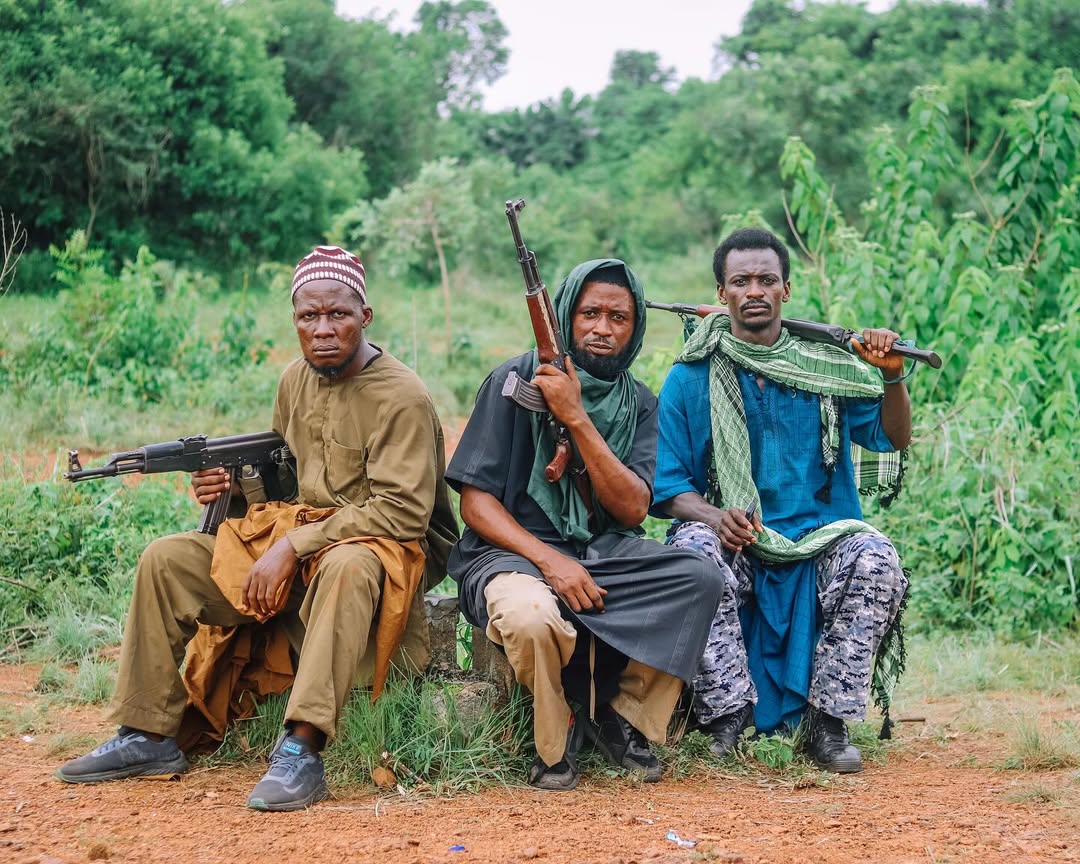
The Herd is one of the most engaging films I’ve seen this year. Everyone acted their hats off, especially the guys and girl that played bandits 💯
— Ebuka Obi-Uchendu (@Ebuka) October 17, 2025
Much of that realism comes from rigorous research, a foundation that made the film’s horrors feel immediate. Lani Aisida’s script draws from survivor accounts, reports on kidnappings across Nigeria and the Sahel, studies of armed groups’ migration patterns, and even social media posts by bandits. Director Effiong expanded this with conversations with security agents and a reflection on his own family history.
Still, the film drew criticism. Some argued it stereotyped an ethnic group and even called for it to be banned. A former special assistant to Muhammadu Buhari on Digital Communications, Bashir Ahmad, wrote, “The reason why some Arewa people are angry about The Herd movie is not because we are denying the reality of banditry… It is about the dangerous consequences of profiling an entire ethnic group and region that has already suffered immensely from years of insecurity… I watched the teaser on Netflix, and even though I haven’t watched the full movie yet, the one clear problem that stands out is stereotyping.” He argued that the film paints Fulani herdsmen as “armed kidnappers,” a claim Effiong refutes.
Effiong rejects claims of stereotyping, insisting the film’s portrayal is more complex, noting that Fulani herdsmen are victims whose cattle are stolen by bandits and used as a ruse. He maintains that “The Herd” was never intended as a tribal or religious indictment but a study of how deeply divided the country has become. “The story takes on the many places where intolerance shows up in Nigeria, whether religious or tribal. And even when you narrow it further to our different groups, there’s still division. With the Igbos, there’s division. With the terrorists and the bandits, there’s division.”
His broader intention, he explains, was to make a film that mirrors the present while suggesting a path forward. “It’s not enough to reflect society; you must offer an idea of where society could be headed.”
Effiong’s background — a father from Cross River, a mother from Edo, born in the North, raised between Benin and Lagos, university in the East, now married to a Yoruba woman — shapes how he approaches questions of identity. “My mindset is very detribalised,” he says.
The title, “The Herd, he notes, has nothing to do with herdsmen. Instead, it signals a collective ideal — “that we are one people and should have one voice,” he says. “With one voice we must tackle our differences, rather than seeing ourselves as them and us. Yes, we are different, but we are one nation.”
Bashir Ahmad, after watching the full film, later softened his stance, writing, “I have watched the film. It’s truly an incredible one.”
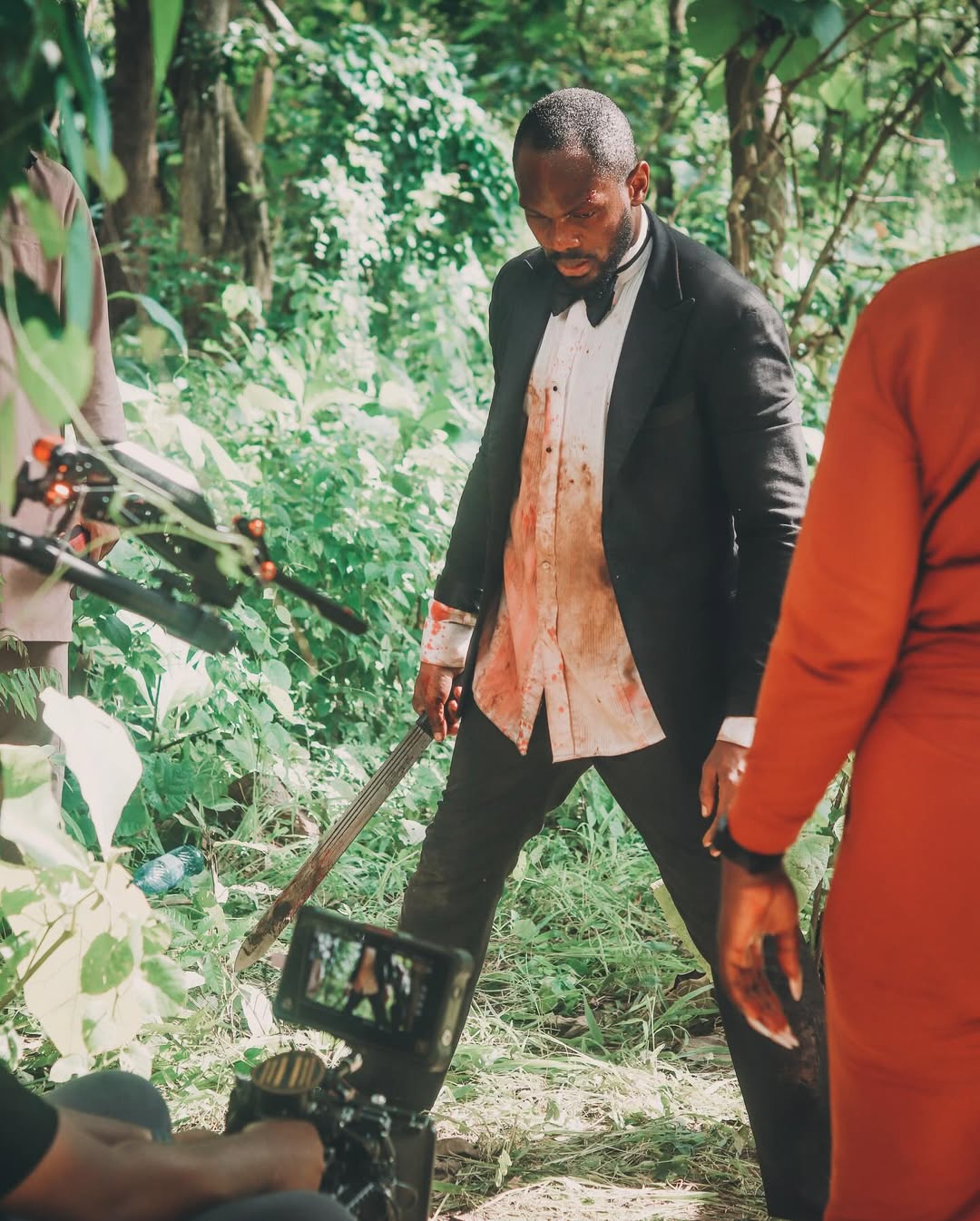
For many viewers, the film’s emotional intensity is almost overwhelming. It forces pauses for moments to breathe. Derin’s wretchedness as she confronts Fola’s mutilated body; the blood spattering across Gosi as he swings a machete; the cold, unflinching rage of the kidnappers, particularly Annas (Ibrahim Abubakar Fulani); Adamma’s desperation at the bank; the exhausted inertia of security forces running into dead ends; and the devastation of families suspended between dread and hope — each scene lands with the weight of something lived, not imagined.
The violence is not gratuitous. It accumulates gradually, raising a question: how does a filmmaker balance truth-telling with the emotional toll on audiences, especially those who have survived similar horrors?
Effiong says the responsibility lies in honesty without recklessness. “We were hard-hitting with the facts, but we were careful not to be too graphic. We wanted the film to be accessible, and we didn’t want to push the audience past a certain threshold or traumatise them.” He adds, “Storytelling must be sincere and honest, as factual as you want it to be, but it also has to be responsible. And that responsibility comes down to deciding how much you choose to show.”
Though three years in the making, the film’s release coincides with yet another rise in kidnappings. For Effiong, the timing underscored its urgency and validated the risks he took, not only as a storyteller confronting national trauma, but as a first-time feature director stepping into a long-imagined phase of his career.
The path here, he admits, has been far from linear. He recalls wanting to abandon engineering in his third year for theatre arts. After university, he worked as an engineer, then pivoted to creativity — joining Ndani TV, studying film in South Africa for four years, and returning to Nigeria to act, direct commercials, and, in his words, “just waiting for my big chance, waiting for my big break. I had to crawl before I started to run and to fly.”
That break arrived with “The Herd.” And while it stands as a culmination of years of work, Effiong insists the film must function as more than a personal milestone. He hopes it will rouse those who feel distant from the violence it depicts. In his view, the film exposes how tightly bound the country is, even in its most fractured moments. He wants audiences, he says, “to be bothered, to be concerned, to lend your voice in whatever way, to support people who have been kidnapped, to support people who are suffering and to fight for the soul of Nigeria.”
“It’s not just enough to say, oh, this is happening in the north, too bad, or look at those people and what they’re dealing with. No,” he says. “It’s to get involved, to wake up to the reality, to wake up and smell the coffee.”
***
Photos by Daniel Etim Effiong